The Sidebells penstemon Plant Advantage: Maximizing Home and Office Appeal and Wellness
1
Sidebells penstemon adds beauty to your garden with its distinct floral display.
2
Sidebells penstemon draws in beneficial insects such as bees and butterflies, supporting garden ecosystem diversity.
3
Sidebells penstemon withstands dry conditions, making it a great option for water-wise garden designs.
Why Should You Consider Sidebells penstemon for Your Garden?
Aesthetic Appeal
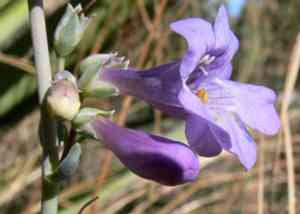
Sidebells penstemon showcases striking blooms that emerge on one side of the stem, creating a flowing appearance that enhances any garden setting. Its purple, tubular flowers complement various garden designs, from wild meadows to more formal landscapes.
Attracts Beneficial Pollinators
A key characteristic of Sidebells penstemon is its capacity to draw in bees, butterflies, and other pollinators. These creatures are vital for a healthy garden ecosystem, ensuring other plants can flourish and reproduce. By adding Sidebells penstemon, you foster a more vibrant and diverse garden environment.
Drought Resistance
Sidebells penstemon is well-suited for xeriscaping, a landscaping approach that minimizes or eliminates the need for extra water. Due to its deep root system and natural adaptation to arid conditions, this plant requires minimal irrigation once established, making it perfect for water-conscious gardeners.
What are the Growing Conditions for Sidebells penstemon?
Soil Requirements
Sidebells penstemon thrives in well-draining soil with a sandy or rocky texture. While it adapts to various soil types, it performs best in conditions that mimic its native habitat. Incorporating organic matter can further boost growth and flower production.
Sunlight Needs
For optimal growth and flowering, Sidebells penstemon needs full sun to partial shade. It flourishes in spots where it receives at least six hours of direct sunlight daily. Planting in adequately sunny areas enhances its blooming potential and overall vigor.
Watering Guidelines
Although Sidebells penstemon tolerates drought, it still needs consistent watering during its initial growth phases. Once established, it can endure extended dry periods with little to no additional watering. Avoid overwatering, as it can lead to root rot and other issues.
How to Incorporate Sidebells penstemon into Your Garden Design?
Companion Planting
Sidebells penstemon pairs well with other drought-tolerant plants like lavender, yarrow, and sage. Its unique flower structure and color make it a complementary addition to mixed borders and perennial gardens. Combining Sidebells penstemon with plants having similar watering needs creates a cohesive, low-maintenance garden.
Wildlife Garden
Creating a wildlife-friendly garden is simple with Sidebells penstemon. By planting it alongside other native flowering plants, you can attract a variety of pollinators and beneficial insects. This establishes a balanced ecosystem within your garden, promoting plant health and reducing the need for chemical interventions.
Erosion Control
Given its robust root system, Sidebells penstemon is also effective in preventing soil erosion. Planting it on slopes or areas with loose soil can help stabilize the ground, reducing runoff and soil loss. Its dense roots bind the soil, making it an excellent choice for erosion-prone areas.
Frequently Asked Questions About Sidebells penstemon
Is Sidebells penstemon Prone to Pest or Disease Issues?
Sidebells penstemon is quite resistant to most pests and diseases, making it a low-maintenance option for gardeners. However, occasional problems with aphids or fungal infections might occur. Regular observation and suitable organic treatments can manage these issues.
When is the Best Time to Plant Sidebells penstemon?
The ideal time to plant Sidebells penstemon is in the spring or fall, allowing it to establish roots before extreme weather conditions arrive. Early planting ensures the plant has ample time to adapt to its new environment and thrive in subsequent seasons.
Can Sidebells penstemon Be Grown in Containers?
Yes, Sidebells penstemon can be successfully grown in containers, provided they offer proper drainage. Container gardening with Sidebells penstemon is an excellent way to manage soil conditions and relocate the plant as needed for optimal sunlight. Just ensure the container is large enough for its root system.



