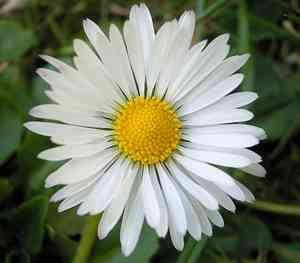
Hoary false goldenaster (Heterotheca canescens)
Also known as: Gray golden-aster
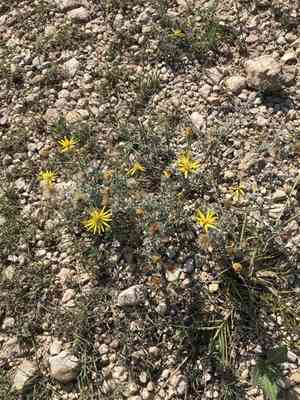
The hoary false goldenaster (Heterotheca villosa) is a hardy perennial herb notable for its hairy, grayish-green leaves and bright yellow, daisy-like blooms. It flourishes in dry, open terrains such as prairies, grasslands, and roadsides. Adapted to withstand tough, sunny conditions, this plant features erect, branched stems and proliferates via seeds and root cuttings, aiding its persistence in demanding environments.
In This Article
Attributes of Hoary false goldenaster
Lifespan
Perennial
Plant Type
Herb
Plant Height
0 mm to 30 cm
Spread
Not specifically applicable; forms rosettes
Leaf Color
Green to grayish-green
Flower Size
2 to 3 cm
Flower Color
Bright yellow
Images of Hoary false goldenaster
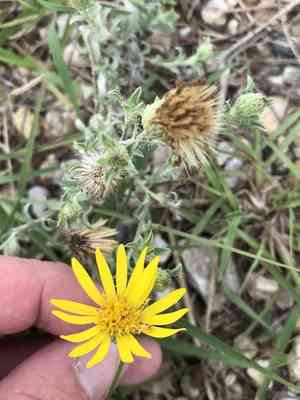
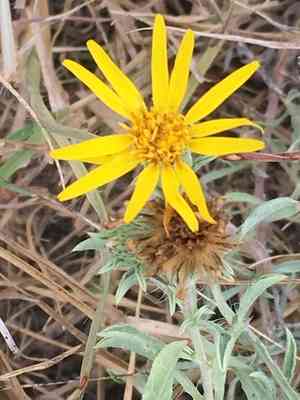
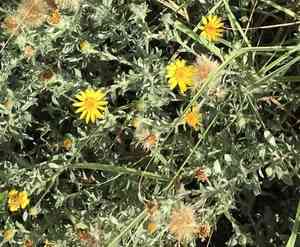
Quickly Identify Hoary false goldenaster
1
To identify Heterotheca canescens, look for a plant with hairy or woolly stems and leaves, lanceolate to ovate in shape, and bright yellow daisy-like flowers. The plant often forms a rosette of basal leaves.
Scientific Classification of Hoary false goldenaster
Phylum
Vascular plants
Class
Dicotyledons
Order
Asterales
Family
Daisy
Genus
Telegraph Weed
Species
Hoary false goldenaster
Planting and Growing of Hoary false goldenaster
Care Difficulty
Easy
Watering Schedule
Every 2 days
Sunlight Requirements
Full sun
Sunshine Duration
4-8 hours
Ideal Temperature
68-77℉
Soil Type
Potting Mix, Peat Mix
Soil pH
6.5-7.5
Fertilizer Type
Balanced
Pruning Season
Spring, Summer
Pruning Area
Branches, Leaves
Pruning Frequency
2 times a year
Repotting Season
Spring
Pot Type
Plastic, Ceramic
 How to Water Hoary false goldenaster?
Heterotheca canescens requires moderate watering. Water until you see some moisture draining from the bottom of the pot, ensuring the soil is evenly moist but not waterlogged. Adhere to a principle where the topsoil feels dry to the touch before each watering session.
What are the symptoms of an underwatered Hoary false goldenaster?
›
What should I do if my Hoary false goldenaster is not getting enough water?
›
What are the symptoms of an overwatered Hoary false goldenaster?
›
How to save an overwatered Hoary false goldenaster?
›
 What Are the Sunlight Requirements for Hoary false goldenaster?
The ideal light range for Heterotheca canescens is six to eight hours of sunlight daily. Such conditions enhance foliage development and flower production, ensuring the plant maintains its ornamental appeal.
What is the ideal sun exposure?
›
How can you ensure optimal lighting?
›
What are the benefits of ideal lighting?
›
 What Is the Ideal Temperature Range for Hoary false goldenaster?
Heterotheca canescens thrives best within an ideal temperature range of 68°F to 77°F. This range facilitates optimal growth, ensuring proper photosynthetic activity and healthy cellular processes. Maintaining this temperature bracket helps in robust flower formation and overall plant vigor.
 What Soil is Best for Hoary false goldenaster?
Heterotheca canescens thrives in well-drained soils, which prevent waterlogging and root rot. This drainage efficiency is crucial for its root health and nutrient absorption, allowing the plant to flourish and bloom vibrantly. This plant benefits from a soil rich in organic matter, providing essential nutrients for its growth. A nutrient-dense medium ensures robust foliage and a vibrant flowering cycle, contributing to its ecological role. Heterotheca canescens prefers soil with moderate fertility. Over-fertilizing can lead to excessive foliage at the expense of flowers, so a balanced nutrient supply helps strike the perfect growth symmetry.
 How to Fertilize Hoary false goldenaster?
When fertilizing Heterotheca canescens, apply a balanced liquid fertilizer at half strength to ensure the plant gets the nutrients it needs without overwhelming it. This means using a dilution of about 10-20 ml of liquid fertilizer per liter of water. For granular or slow-release fertilizers, apply approximately 20 grams per plant to cover a broader nutritional base over a longer period.
 How to Prune Hoary false goldenaster?
Begin by inspecting the plant for any dead, diseased, or damaged stems and remove them using sharp pruning shears. Next, focus on cutting back leggy growth to encourage a bushier and more structured shape. This can be done by trimming the stems to a node where you would like to see new growth. For flower enhancement, deadhead spent blooms to invigorate new flowering. Take care to make clean cuts at a 45-degree angle to prevent water accumulation and disease.
More About Pruning Techniques→
 How to Propagate Hoary false goldenaster plant?
1
In the fall, collect mature seeds from dry flower heads. Store seeds in a cool, dry place until you are ready to plant them in spring, ensuring they remain viable.
2
Use pruning shears to take 4-6 inch cuttings from healthy, non-flowering stems. Ensure each cutting has at least one node that can develop roots when placed in a suitable medium.
3
In early summer, dig up mature plants and divide their root clumps into smaller sections. Each section should have both roots and shoots to increase the chances of successful establishment.
 How to Repot Hoary false goldenaster plant?
1
Heterotheca canescens typically needs repotting when its roots start poking out of the drainage holes or when the soil loses its texture and compaction. You may also notice slower growth or water pooling on the surface, indicating that the current pot is no longer accommodating the plant's needs.
2
Choose a pot that's 1-2 inches larger in diameter than the current pot. It should have good drainage holes to prevent waterlogging. Using a slightly larger pot allows the roots to expand naturally, which is crucial for healthy growth. The material can vary, but terracotta is preferred for its ability to wick away excess moisture.
3
The ideal soil for Heterotheca canescens should be a well-draining sandy mixture. This type of soil ensures adequate aeration and avoids the risk of root rot by preventing water from clinging to the roots. Additionally, sand mixes provide essential minerals and create a natural growing environment similar to its native habitat.
Learn More About Hoary false goldenaster Diseases
Anthracnose
Bacterial Leaf Spot
Bacterial Soft Rot
Bacterial Wilt
Black Spot
Chemical Injury
Crown Gall
Damping-off
Downy Mildew
Drought Stress
Fusarium Wilt
Gray Mold
Leaf Curl
Leaf Spot
Mosaic
Nutrient Deficiency
Nutrient Toxicity
Powdery Mildew
Root Rot
Root-knot Nematode
Rusts
Sooty Mold
Spider Mites
Temperature Stress
Thrips Damage
White Mold



