How to Transplant Hoary false goldenaster?
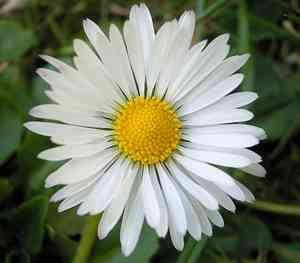
The optimal period for relocating hoary false goldenaster is throughout the colder season, from early to late fall. Select a bright spot featuring soil that drains effectively. Provide ample room for root development, as this significantly impacts its successful establishment.
Necessary Preparations Before Moving Hoary False Goldenaster
Optimal Period for Relocating Hoary False Goldenaster?
Hoary false goldenaster, a perennial species, is ideally moved from the beginning to the end of autumn. This timeframe allows its root system to become established without the strain of summer heat. Shifting it in fall leverages cooler temperatures and increased ground moisture, fostering vigorous growth in the spring. This strategic timing boosts survival rates and ensures a healthier, more robust plant.
Recommended Spacing Between Hoary False Goldenaster Plants?
Ensure each hoary false goldenaster plant is positioned approximately 12-18 inches (30-45 cm) apart. This spacing provides ample room for root development and guarantees adequate air circulation among plants, thereby lowering disease risk.
Best Soil Blend for Hoary False Goldenaster Relocation?
Prepare a soil mixture that drains well for hoary false goldenaster, preferably sandy or loamy. Incorporate a balanced base fertilizer containing equal proportions of nitrogen, phosphorus, and potassium to give the plants a strong start.
Where to Replant Your Hoary False Goldenaster?
Select a sunny location for transplanting hoary false goldenaster. It flourishes best in full sun, so choose a spot that receives at least 6-8 hours of direct sunlight daily.
Equipment to Prepare Before Transplanting Hoary False Goldenaster?
Gardening Gloves
To safeguard your hands while handling soil and plants.
Shovel or Spade
For digging around the plant and extracting it from its original spot.
Hand Trowel
Useful for precise digging tasks and moving young plants.
Watering Can
To maintain soil moisture during the transplanting process.
Wheelbarrow
For transporting the plant if it's large or needs to be moved a distance.
Compost or Mulch
To enrich the soil and help retain moisture post-transplant.
How to Extract Hoary False Goldenaster from the Ground?
How to Extract Hoary False Goldenaster from the Ground?
From Ground: First, hydrate the hoary false goldenaster plant to moisten the soil. Next, excavate a wide trench around the plant using a shovel or spade, making sure the plant's root ball stays intact. Carefully maneuver the spade beneath the root ball to lift the plant from its initial position.From Pot: Begin by watering the hoary false goldenaster plant, ensuring the soil is thoroughly damp. Gently invert the pot while supporting the plant with your hand. Tap the pot's base to loosen the soil, then carefully slide the plant out, taking care not to harm the roots.From Seedling Tray: Water the hoary false goldenaster plant seedlings beforehand. Delicately lift each seedling from the tray using a hand trowel or your fingers, ensuring you retrieve as much of the root ball as possible. Be cautious not to tear or damage the roots during this process.
Detailed Steps for Transplanting Hoary False Goldenaster
Prepare the Planting Area
Select a site with adequate sunlight and space. Dig a hole approximately twice the size of the hoary false goldenaster's root ball.
Enhance Soil Quality
Incorporate compost or organic material into the hole's soil to provide good nutrition and drainage for the hoary false goldenaster.
Remove the Plant
Carefully extract the hoary false goldenaster from its original spot using the method described above.
Planting
Position the hoary false goldenaster into the prepared hole, ensuring the top of the root ball is level with the ground. Backfill the hole with soil, gently firming it around the plant's roots.
Watering
Thoroughly water the hoary false goldenaster after planting to help settle the soil and eliminate air pockets around the roots.
Mulching
Apply a layer of mulch around the base of the hoary false goldenaster, keeping it a few inches from the stem to prevent rot. This aids in retaining soil moisture and suppressing weeds.
Post-Transplant Care for Hoary False Goldenaster
Watering
Maintain consistent moisture in the soil around the hoary false goldenaster, avoiding saturation, for the initial weeks after transplanting to encourage strong root development.
Monitoring
Regularly inspect the hoary false goldenaster for indications of transplant shock, such as drooping leaves, and provide additional water if needed.
Weeding
Keep the area surrounding the hoary false goldenaster clear of weeds to reduce competition for water and nutrients.
Protection
If necessary, provide support stakes for taller hoary false goldenaster plants to help them remain upright until fully established.
Resolving Common Issues with Hoary False Goldenaster Transplantation.
When is the best time to move hoary false goldenaster?
It's best to move hoary false goldenaster from early fall to late fall for optimal results.
What spacing should I allow between hoary false goldenaster plants?
Space each hoary false goldenaster plant 12-18 inches (30-45 cm) apart to ensure enough room for growth.
What soil type is ideal for transplanting hoary false goldenaster?
Use well-draining soil for transplanting hoary false goldenaster to promote healthy root development.
How should I prepare the soil before moving hoary false goldenaster?
Loosen the soil and mix in compost to improve fertility before transplanting hoary false goldenaster.
What depth should I plant hoary false goldenaster when transplanting?
Ensure the root ball of hoary false goldenaster is level with the soil surface when planting.
How often should I water hoary false goldenaster after transplanting?
Water hoary false goldenaster deeply twice a week for the first month after transplanting to establish roots.
How do I minimize transplant shock in hoary false goldenaster?
Water hoary false goldenaster thoroughly and keep it shaded for the first few days to reduce transplant shock.
Should I fertilize hoary false goldenaster immediately after transplanting?
Avoid fertilizing hoary false goldenaster immediately; wait a few weeks until roots are established before applying fertilizer.
Can I transplant hoary false goldenaster in summer or spring?
Transplanting in early fall to late fall is best for hoary false goldenaster, avoiding the stress of extreme temperatures.
What if hoary false goldenaster shows signs of wilting post-transplant?
Ensure consistent watering and check for proper soil drainage if hoary false goldenaster wilts after transplanting.



