How to Prune Hoary false goldenaster?
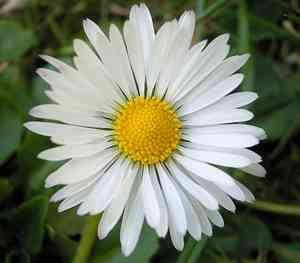
This resilient perennial, recognized for its silver leaves and vibrant yellow blossoms, thrives with trimming in early spring or late winter. Snip off faded flowers and shorten stems to encourage bushy development and increased blooming. Consistent trimming aids in preventing sparse growth and fosters a compact shape. Utilizing clean, sharp implements is crucial for averting illness, and always cut directly above a growth point or cluster of leaves for best outcomes. Routine upkeep guarantees strong vitality and boosts the plant's decorative value.
What Are the Benefits of Pruning Hoary False Goldenaster?
What Are the Benefits of Pruning Hoary False Goldenaster?
Hoary false goldenaster thrives with pruning, promoting robust growth and maintaining its form. Trimming boosts flowering, manages size, and enhances appearance, leading to a healthier plant more resistant to pests and diseases.
What Is the Best Time for Pruning Hoary False Goldenaster?
What Is the Best Time for Pruning Hoary False Goldenaster?
Trimming or cutting back hoary false goldenaster in late winter or early spring ensures the plant is dormant, reducing stress from the cuts. This timing encourages vigorous new growth as the plant enters its active season. Additionally, it avoids interfering with the flowering period, as hoary false goldenaster typically blooms from late spring to early summer. Pruning during these optimal times also improves overall plant health, structure, and bloom potential.
What Tools Do I Need to Prune Hoary False Goldenaster?
Bypass pruners
These are perfect for making clean cuts on live stems and branches of hoary false goldenaster up to ¾ inch in diameter. They encourage healthy new growth.
Anvil pruners
Useful for removing dead or thicker wood that may be found on hoary false goldenaster. They provide the necessary force but might crush live stems.
Pruning shears
Essential for more precise, detailed trimming tasks on hoary false goldenaster, ensuring accuracy and control in tight areas.
Loppers
Best for reaching higher branches and cutting through thicker stems (up to 1.5 inches) on hoary false goldenaster without strain. They offer extra leverage.
How to Prune Hoary False Goldenaster
Inspect
Carefully examine hoary false goldenaster to find any diseased or withered leaves. Look for discoloration, spots, or signs of pest infestations.
Prepare Tools
Use sterilized and sharp pruning shears to prevent disease spread. Clean tools with rubbing alcohol or a bleach solution before use.
Remove Diseased Leaves
Gently cut off diseased leaves at their base, ensuring healthy tissue is not affected. Dispose of these leaves away from the plant to prevent contamination.
Trim Withered Leaves
Carefully prune withered leaves by cutting them at the base. Make sure only the withered parts are removed, leaving healthy growth intact.
Disposal
Safely discard all removed foliage in a sealed bag or compost bin. This helps prevent any potential spread of disease.
Common Pruning Mistakes with Hoary False Goldenaster
Incorrect technique
Using dull or unsuitable cutting tools can result in jagged cuts, leading to disease and pest issues. Instead, use clean, sharp pruners for precise cuts.
Over-pruning
Removing too much foliage at once can stress hoary false goldenaster and hinder its ability to photosynthesize effectively. Avoid cutting more than a third of the plant at any given time.
Pruning at inappropriate times
Pruning outside the recommended season can either delay flowering or disrupt the plant's natural growth cycles. Ensure pruning aligns with the plant's growth and flowering periods. Specific timing details are provided elsewhere.
Neglecting plant structure
Ignoring the natural shape and structure of hoary false goldenaster can lead to an unbalanced and unhealthy plant. Recognize and respect the growth habits when making pruning decisions.
Cutting too close to the buds
Making cuts too close to the buds can damage them and affect future growth and flowering. Maintain a small distance from the buds to encourage healthy development.
Common Pruning Tips for Hoary False Goldenaster
Use appropriate tools
Choose sharp, clean pruners to ensure smooth cuts and minimize disease risk. Disinfecting tools before and after use can further prevent pathogen spread.
Focus on dead or damaged stems
Prioritize removing any dead, damaged, or diseased stems first. This helps maintain the plant's health and directs its energy towards productive growth.
Maintain plant shape
Ensure that pruning decisions respect the natural form of hoary false goldenaster. Aim to enhance the plant's aesthetic without compromising its structural integrity.
Make angled cuts
Cut at a slight angle to allow water to run off, reducing the risk of rot. This also promotes quicker healing of the cuts.
Leave adequate foliage
Ensure that enough foliage remains to support photosynthesis and overall plant health. This is crucial for the plantâs vitality and flowering potential.
Monitor growth
Regularly monitor the plantâs growth and make minor adjustments as necessary. Consistent, moderate pruning is more beneficial than occasional, aggressive cuts.



