How to Propagate Hoary false goldenaster?
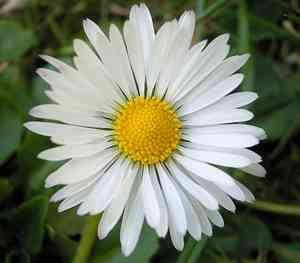
Chrysopsis villosa, frequently encountered in arid, sun-drenched environments, is a robust perennial distinguished by its golden flowers. To propagate, broadcast seeds directly into adequately draining earth, ensuring the substrate remains damp but not waterlogged. Preventing excessive moisture is vital to avert root decay. Consistent irrigation fosters robust development. Employing seeds gathered from established specimens produces optimal outcomes, contributing to the preservation of genetic variety and strength.
Optimal Period for Hoary False Goldenaster Propagation
Propagation Method
Seeding
Propagation Period
Spring
Equipment Utilized in Hoary False Goldenaster Propagation?
Seed Trays
Seed trays are crucial for planting hoary false goldenaster. They aid in organizing and spacing seeds, promoting uniform growth and simple management. Trays must have adequate drainage to prevent waterlogging, which is vital for hoary false goldenaster seedling health.
Seed Starting Mix
A premium seed starting mix offers essential nutrients and proper aeration for hoary false goldenaster seeds to sprout successfully. It should be light and well-draining to support root growth and minimize fungal disease risk.
Humidity Domes
Humidity domes help maintain consistent moisture and temperature, creating an ideal environment for hoary false goldenaster seed germination. This is especially beneficial during the initial growth phases.
Mister or Spray Bottle
A fine mist from a mister or spray bottle ensures the seed starting mix stays moist without disturbing delicate hoary false goldenaster seeds. It's crucial for preventing fungal issues and providing a gentle watering method.
Heat Mat
A heat mat provides warmth from below, increasing the temperature around seed trays and encouraging quicker, more consistent germination for hoary false goldenaster. This tool is particularly useful in colder climates or early spring when ambient temperatures are lower.
Labels and Markers
Labels and markers assist in tracking various stages of hoary false goldenaster propagation. Accurate labeling ensures you can monitor progress and adjust care routines as needed.
Small Trowel or Dibber
A small trowel or dibber is useful for creating holes in the seed starting mix for planting hoary false goldenaster seeds. This tool helps plant seeds at the correct depth and ensures even spacing.
Grow Lights
If natural light is insufficient, grow lights provide the necessary light spectrum to support hoary false goldenaster germination and early growth. Proper lighting ensures strong, healthy seedlings.
How to Propagate Hoary False Goldenaster?
Propagation Type
Simple
How to Care for Your Newly Propagated Hoary False Goldenaster?
How to Care for Your Newly Propagated Hoary False Goldenaster?
Once seeds have germinated and seedlings are established, gradually introduce hoary false goldenaster to outdoor conditions by placing them in a sheltered spot and slowly exposing them to more sunlight. When robust enough, transplant seedlings into a well-draining location with full sun. Water regularly but avoid overwatering, as hoary false goldenaster prefers slightly drier conditions. Apply mulch around the base to retain moisture and suppress weeds. Regularly check for pests and diseases, and remove any dead or damaged foliage to encourage healthy growth.
Common Mistakes to Avoid When Propagating Hoary False Goldenaster
Overwatering
This can lead to root rot and fungal diseases, which can quickly kill seedlings and young plants.
Poor Soil Drainage
Using heavy or compacted soil that doesn't drain well can lead to waterlogging, stressing the plant and inhibiting root development.
Inadequate Light
Propagation without sufficient light can result in weak, leggy plants that are prone to disease and poor growth.
High Humidity Levels
Excessive humidity can encourage mold and fungal growth, which can harm young plants.
Using Diseased Cuttings
Starting with unhealthy or diseased plant material increases the risk of spreading pathogens and reduces the chances of successful propagation.
Tips For Propagating Hoary False Goldenaster
Use Well-Draining Soil
Ensure soil is light and sandy to facilitate good drainage and prevent waterlogging.
Moderate Watering
Keep soil moderately moist but not waterlogged; allow the top layer to dry out between waterings.
Ample Sunlight
Provide plenty of direct sunlight to support healthy growth and avoid etiolation.
Maintain Air Circulation
Ensure good air flow around the plant to prevent mold and fungal problems, especially in humid conditions.
Select Healthy Cuttings
Choose healthy, disease-free cuttings to improve the likelihood of successful propagation and robust plant growth.



