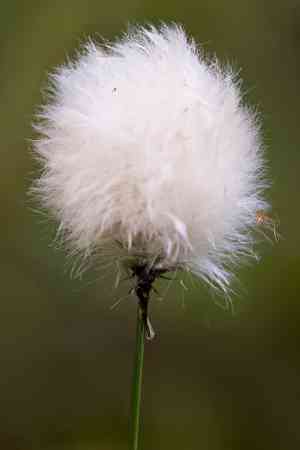
Appalachian sedge (Carex appalachica)
Also known as: Appalachian Sedge, Appalachian Carex
Appalachian sedge, a fine-textured perennial, flourishes in the dry to moderately moist, well-drained soils of shaded woodlands and slopes. It forms loose clumps of green foliage and produces narrow flowering spikes in late spring. This adaptable plant is excellent for shaded areas and helps prevent soil erosion with its gradually spreading roots.
In This Article
Attributes of Appalachian sedge
Lifespan
Perennial
Plant Type
Grass
Plant Height
30 cm
Spread
45 cm
Leaf Color
Green
Flower Size
Small and inconspicuous
Flower Color
Green
Images of Appalachian sedge
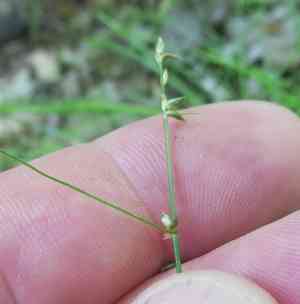
Quickly Identify Appalachian sedge
1
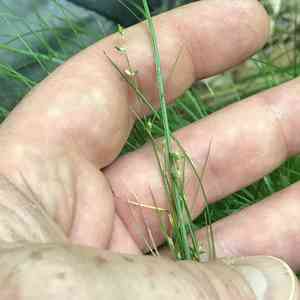
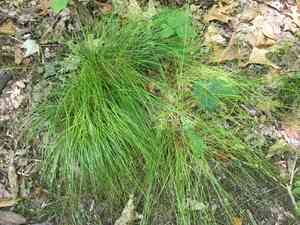
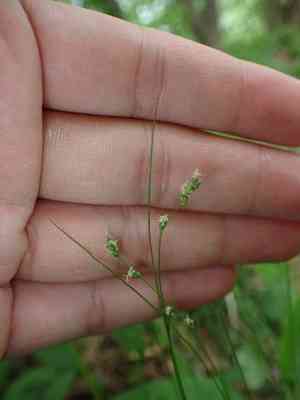
Appalachian Sedge has narrow, arching leaves that are typically 1-2 mm wide and can grow up to 30 cm long. The leaves are bright green and form dense clumps. The flower spikes are slender and inconspicuous, appearing in late spring to early summer.
Scientific Classification of Appalachian sedge
Phylum
Vascular plants
Class
Monocotyledons
Order
Poales
Family
Sedge
Genus
True sedges
Species
Appalachian sedge
Planting and Growing of Appalachian sedge
Care Difficulty
Easy
Watering Schedule
Every 2 days
Sunlight Requirements
Partial sun
Sunshine Duration
6-10 hours
Ideal Temperature
50-77℉
Soil Type
Potting Mix, Peat Mix
Soil pH
5.5-6.8
Fertilizer Type
Balanced
Pruning Season
Spring, Summer
Pruning Area
Branches, Leaves
Pruning Frequency
2 times a year
Repotting Season
Spring
Pot Type
Terracotta, Plastic
 How to Water Appalachian sedge?
Carex appalachica prefers a consistent level of moisture in the soil, without being overly saturated. Water it with about 250 milliliters each time, ensuring the soil remains evenly damp but not waterlogged. The goal is to provide enough moisture to maintain its lively texture and vibrant color without drowning its sensitive roots.
What are the symptoms of an underwatered Appalachian sedge?
›
What should I do if my Appalachian sedge is not getting enough water?
›
What are the symptoms of an overwatered Appalachian sedge?
›
How to save an overwatered Appalachian sedge?
›
 What Are the Sunlight Requirements for Appalachian sedge?
Ideal light range for Carex appalachica includes partial sun with dappled or filtered light. This ensures healthy growth and vibrant foliage by supporting adequate photosynthesis without the risk of sunburn.
How much light does it need?
›
How to achieve ideal lighting?
›
Benefits of ideal lighting?
›
 What Is the Ideal Temperature Range for Appalachian sedge?
For Carex appalachica, the ideal temperature range is between 50°F and 77°F. This range ensures the best growth and development by providing the optimal conditions required for photosynthesis and other metabolic processes. Growing the plant within this range will help in maintaining its health and vigor.
 What Soil is Best for Appalachian sedge?
Carex appalachica thrives in well-aerated soil as it ensures adequate oxygen reaches its roots, promoting healthy growth. This kind of soil prevents root rot and encourages vigorous plant development. The plant requires soil with good drainage to prevent waterlogging. Efficient drainage helps in avoiding stress and diseases caused by excessive moisture, thereby maintaining the overall health of the plant. This plant favors soil that retains moderate moisture, allowing it access to water during dry periods without becoming waterlogged. Balanced moisture retention ensures consistent growth and vitality.
 How to Fertilize Appalachian sedge?
For Carex appalachica, applying a balanced, water-soluble fertilizer with a 10-10-10 NPK ratio is ideal. When using liquid fertilizer, make sure to dilute it to half the strength recommended on the label to avoid over-fertilization. During the growing season, apply about 1 tablespoon of diluted solution per square foot of growing area.
 How to Prune Appalachian sedge?
Begin by identifying and removing any dead, diseased, or damaged stems from the plant base. Cut these off at the point where they meet healthy growth. Removing unhealthy parts early prevents disease spread and allows the plant to focus energy on new, healthy growth. After removing the unwanted stems, gently trim the remaining foliage to maintain the desired shape and size of the plant. Aim to create a natural, rounded appearance that allows for light to reach the plant's core. This helps ensure uniform growth and a neat appearance. Finally, carefully clear away any trimmed debris or fallen leaves around the base of the plant. This reduces the risk of pests or fungal infections, and keeps the area neat. Ensuring that the plant can breathe will support its long-term health.
More About Pruning Techniques→
 How to Propagate Appalachian sedge plant?
1
Collect seeds from mature Carex appalachica plants in late summer or early autumn. Ensure the seeds are fully ripened and not damaged. Store them in a cool, dry place until you're ready to sow.
2
Prepare soil beds or seed trays with well-draining soil. This plant prefers moist conditions but does not tolerate waterlogged environments. Ensure the soil is of the right pH and fertility.
3
To propagate by division, carefully dig up the plant in spring or early summer. Gently separate clumps ensuring each section has roots attached, then replant immediately in desired location.
 How to Repot Appalachian sedge plant?
1
Carex appalachica should be repotted when you notice the roots becoming too crowded within the pot. If you see roots emerging from the drainage holes or soil surface, it's a signal that the plant needs more space to thrive. Ideally, repotting is done during the active growing seasons like spring or summer, when the plant can recover more swiftly.
2
Select a pot that is one size larger than the current one, allowing adequate room for the roots to expand. Clay pots are often preferred for their breathable nature, which prevents waterlogging, a common issue for Carex appalachica. A pot with ample drainage is crucial to avoid root rot, ensuring healthy plant growth.
3
Opt for a well-draining and loamy soil mix to support Carex appalachica's needs. A soil blend that includes components like peat, sand, and organic matter will provide the necessary nutrients while maintaining proper drainage. This environment mimics the plant's natural habitat, promoting robust growth and healthy root development.
Learn More About Appalachian sedge Diseases
Anthracnose
Bacterial Leaf Spot
Bacterial Soft Rot
Damping-off
Downy Mildew
Drought Stress
Fusarium Wilt
Gray Mold
Leaf Spot
Mosaic
Nutrient Deficiency
Nutrient Toxicity
Powdery Mildew
Root Rot
Root-knot Nematode
Rusts
Sooty Mold
Spider Mites
Temperature Stress
Thrips Damage
White Mold
Chemical Injury



