How to Transplant Appalachian sedge?
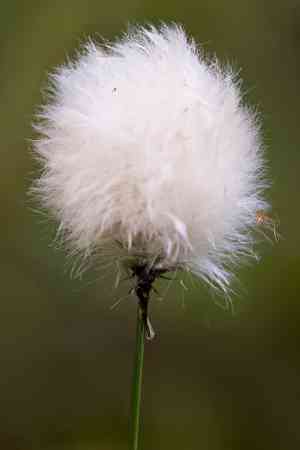
Appalachian sedge flourishes when relocated from early to late spring, or from late autumn to early winter. Select a site with partial shade and good drainage to facilitate its best development. Verify that the soil is damp yet not saturated to minimize the stress of transplantation.
What Preparations are Needed Before Transplanting Appalachian Sedge?
What is the Ideal Time for Transplanting Appalachian Sedge?
Appalachian sedge is best moved from early spring to late spring or late fall to early winter. These periods allow roots to establish in cooler, moist soil before summer's peak stress. Transplanting then ensures strong root growth and boosts survival, giving the plant ample time to adapt and flourish.
How Much Space Should You Leave Between Appalachian Sedge Plants?
When relocating appalachian sedge, ensure plants are spaced 12-18 inches (30-45 cm) apart. This provides each plant sufficient room to grow and thrive without competing for resources.
What is the Best Soil Mix for Appalachian Sedge Transplanting?
Prepare the soil by ensuring it drains well and is fertile. A loamy soil mixed with organic compost will work great for appalachian sedge. Consider adding a balanced base fertilizer to support healthy growth.
Where Should You Relocate Your Appalachian Sedge?
Choose a spot that receives partial to full shade for appalachian sedge. This plant thrives in areas where it can avoid harsh, direct afternoon sun. Good light conditions will help it establish well in its new location.
What Equipments Should You Prepare Before Transplantation Appalachian Sedge?
Gardening Gloves
To protect your hands while working with the soil and plant.
Shovel or Spade
For digging and loosening the soil around the roots.
Watering Can
To water the plant before and after transplanting.
Trowel
Helps in digging small holes for transplanting.
Garden Fork
Useful for loosening soil without damaging the roots.
Wheelbarrow
To transport the plant, especially if it's larger.
Plant Markers
To label the transplant location.
How Do You Remove Appalachian Sedge from the Soil?
How Do You Remove Appalachian Sedge from the Soil?
From Ground: First, water the appalachian sedge plant to dampen the soil. Then, dig a wide trench around the plant using a shovel or spade, ensuring the plant's root ball remains intact. Carefully work the spade under the root ball to lift the plant from its original location.From Pot: Water the appalachian sedge plant thoroughly. Gently turn the pot on its side and tap the bottom to loosen the plant. Carefully slide the plant out, holding it by the base of the stem rather than the leaves.From Seedling Tray: Water the tray to moisten the soil. Use a trowel or a spoon to gently lift each seedling by the root ball, being careful not to damage the delicate roots.
Step-by-Step Guide for Transplanting Appalachian Sedge
Preparation
Prepare the new planting site in advance, ensuring the soil is well-loosened and free of weeds. Dig a hole that is twice the width and the same depth as the root ball of your appalachian sedge plant.
Removal and Transport
Depending on the source of the plant (ground, pot, or seedling tray), carefully remove the appalachian sedge plant keeping the root ball intact and transport it to the new site.
Planting
Place the appalachian sedge plant in the center of the prepared hole, ensuring it's at the same depth as it was in its original location. Fill in the hole around the root ball with soil, gently pressing it down to eliminate air pockets.
Watering
Water the plant thoroughly after transplanting to help settle the soil around the roots.
How Do You Care For Appalachian Sedge After Transplanting?
Watering
Keep the soil around the appalachian sedge consistently moist, but not soggy, for the first few weeks after transplanting to help establish strong roots.
Mulching
Apply a layer of mulch around the base of the appalachian sedge plant to help retain moisture and regulate soil temperature.
Monitoring
Regularly check the plant for any signs of stress or disease, and provide additional support, such as stakes, if necessary.
Fertilizing
Depending on soil quality, consider a light application of a balanced, slow-release fertilizer a few weeks after transplanting to support new growth.
Troubleshooting Common Issues with Appalachian Sedge Transplantation.
When is the best time to transplant appalachian sedge?
Transplant appalachian sedge from early to late spring, or late fall to early winter for best results.
How much space should I leave between appalachian sedge plants?
Ensure a spacing of 12-18 inches (30-45 cm) between appalachian sedge plants for optimal growth.
How can I improve soil quality before transplanting appalachian sedge?
Amend the soil with well-composted organic matter to enhance its fertility and drainage.
What should I do if appalachian sedge doesnât seem to thrive after transplanting?
Ensure proper watering, check for pests, and confirm the soil pH is mildly acidic to neutral.
How deep should the hole be when transplanting appalachian sedge?
Dig a hole twice as wide and as deep as the root ball of appalachian sedge.
How often should I water newly transplanted appalachian sedge?
Water thoroughly after transplanting and keep the soil consistently moist but not waterlogged.
What kind of sunlight does appalachian sedge need after transplanting?
Appalachian sedge prefers partial to full shade for optimal growth and health.
How can I protect appalachian sedge from transplant shock?
Avoid transplanting on extremely hot days, and water deeply immediately after transplanting.
Should I fertilize appalachian sedge after transplanting?
Fertilizing isnât necessary right after transplanting, but you can add a balanced fertilizer after a few weeks.
What type of soil is best for appalachian sedge?
Appalachian sedge thrives in well-draining, moderately fertile soil with a pH of 6.0-7.0.



