How to Prune Appalachian sedge?
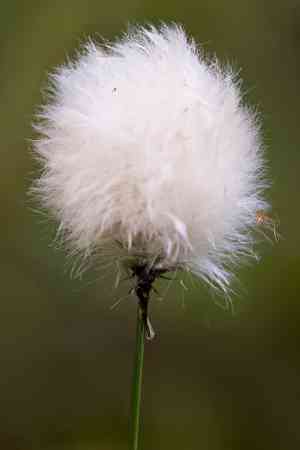
This compact, clumping grass, appalachian sedge, thrives with little upkeep yet greatly benefits from thoughtful trimming. Trim appalachian sedge in early spring or winter to preserve its tidy look and encourage more robust development. Remove any discolored or lifeless leaves from the base to improve air movement and lessen the chance of illness, thereby boosting the plant's well-being and visual charm. Performing this task during these periods coincides with the plant's inactive phase, guaranteeing strong spring growth without diminishing the plant's vitality.
What Are the Benefits of Pruning Appalachian Sedge?
What Are the Benefits of Pruning Appalachian Sedge?
Trimming appalachian sedge promotes robust development and preserves its compact shape. Regular cutting prevents excessive growth, keeping the plant neat and appealing in garden areas.
What Is the Best Time for Pruning Appalachian Sedge?
What Is the Best Time for Pruning Appalachian Sedge?
Pruning appalachian sedge in early spring is beneficial as the plant is just emerging from its dormant state. This timing allows gardeners to shape the plant and remove any dead or damaged foliage from winter before new growth begins, ensuring energy is directed towards healthy shoots. Winter pruning is also suitable, especially towards the end of the season, as appalachian sedge is dormant. This minimizes stress on the plant and reduces the risk of disease transmission, as many pathogens are less active during cold weather. Additionally, with the foliage thinned out, it is easier to see and access the plant's structure for effective pruning.
What Tools Do I Need to Prune Appalachian Sedge?
Sharp Scissors or Garden Shears
Given the fine and delicate leaves of appalachian sedge, sharp scissors or small garden shears are perfect for making clean cuts without harming the plant. These tools allow precise control over the pruning process, ensuring only the desired parts of the plant are removed, which is vital for its health and appearance.
Hand Pruners
Hand pruners are useful for thicker clumps for appalachian sedge, where more force is required. They provide a clean cut, helping to prevent damage to the plant tissues, which is essential for the ongoing health and vigor of appalachian sedge.
Thinning Shears
Thinning shears are particularly suitable for appalachian sedge when there is a need to thin out dense clumps without affecting the overall natural shape of the plant. This type of shear allows selective thinning that promotes better air circulation and light penetration, enhancing the plant's health.
How to Prune Appalachian Sedge
Identify
Identify and evaluate the health of appalachian sedge. Carefully inspect appalachian sedge for any diseased, yellowing, or withered leaves that may need trimming. Focus on these specific problem areas for targeted pruning.
Sanitization
Prepare your pruning tools. Before starting, ensure that all pruning tools, such as scissors or shears, are clean and sharp. Sterilize them to prevent the spread of disease between plants.
Pruning
Trim the diseased and withered leaves. Carefully cut the diseased and withered leaves at their base near the ground, ensuring not to damage the healthy surrounding foliage or the crown of appalachian sedge.
Collection
Collect and dispose of the removed leaves. Gather all the trimmed leaves and properly dispose of them to prevent any disease from spreading in your garden.
Clean up
Clean the pruning area and tools. After pruning appalachian sedge, clean up any debris from the area to maintain a tidy environment. Re-sanitize the tools to ensure they are ready for future use.
Common Pruning Mistakes with Appalachian Sedge
Over pruning
A common error is removing too much foliage from appalachian sedge, which can stress the plant and hinder its vitality. This species benefits from a lighter touch, needing only minimal trimming to remove dead or overly dense patches.
Incorrect tool use
The use of inappropriate or dull tools can damage the delicate leaves of appalachian sedge, leading to frayed edges that may encourage disease. Sharp scissors or shears are recommended.
Pruning too low
Cutting appalachian sedge too close to the ground can harm the crown, where new growth originates. It is essential to leave several inches of growth to ensure healthy regrowth.
Common Pruning Tips for Appalachian Sedge
Dead leaf removal
Focus primarily on removing dead or yellowed leaves to enhance both the appearance and health of appalachian sedge. This selective trimming helps to maintain airflow and light penetration, critical factors for the plant's well-being.
Thinning out
Periodically thin out denser clumps of appalachian sedge to promote robust growth. This technique alleviates overcrowding and improves the overall form and health of the sedge.
Post pruning care
After pruning, provide appalachian sedge with adequate water and possibly a light application of balanced, slow-release fertilizer to support recovery and encourage vigorous growth.



