How to Propagate Appalachian sedge?
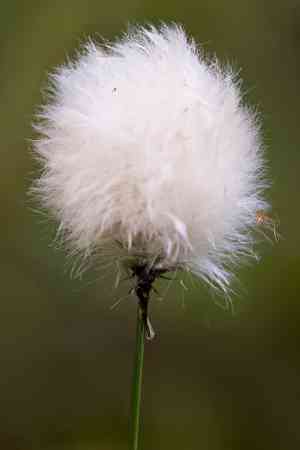
Appalachian sedge flourishes when multiplied via division, a technique perfect for sustaining its robust development and well-being. For best outcomes, carefully split the clusters to lessen root harm and promptly re-establish them, making sure the substrate stays damp but not oversaturated. This approach fosters a more compact growth, allowing cultivators to effectively broaden their arrangements of appalachian sedge while preserving its inherent charm.
What Is the Best Time To Propagate Appalachian Sedge?
Propagation Type
Division
Propagation Season
Spring,Autumn
What Tools Are Used in Appalachian Sedge Propagation?
Garden Fork
A garden fork is essential for carefully lifting appalachian sedge from the ground with minimal root disturbance. It helps loosen the soil around the plant, making it easier to separate clumps for propagation.
Sharp Knife or Pruners
Sharp, sanitized knife or pruning shears are needed for cleanly cutting through the root mass or rhizomes of appalachian sedge. Precise cuts encourage faster healing and lower the risk of disease.
Spade or Shovel
A spade or shovel is utilized to dig the planting area for the divided sections of appalachian sedge. It ensures that the new planting holes are suitable in depth and width for the healthy establishment of propagated specimens.
Watering Can with a Fine Rose
This tool is vital for providing gentle irrigation to appalachian sedge after transplantation. The fine rose prevents soil disruption and ensures even water distribution to aid in root establishment.
Planting Labels
Planting labels are crucial for tracking the divided plants, especially when managing multiple specimens of appalachian sedge or different varieties. They assist in monitoring growth and health status throughout the propagation phases.
How to Propagate Appalachian Sedge?
Propagation Type
Easy
How to Care for Your Newly Propagated Appalachian Sedge?
How to Care for Your Newly Propagated Appalachian Sedge?
After propagation, continue to care for appalachian sedge by maintaining moist soil conditions and providing partial shade, which mimics its natural environment. During dry periods, ensure the soil does not completely dry out. Fertilization is generally not required, but an annual application of organic mulch can help retain soil moisture and suppress weeds. Monitor for signs of pests or diseases, though appalachian sedge is typically disease-resistant.
Common Mistakes to Avoid When Propagating Appalachian Sedge
Overwatering
When propagating appalachian sedge, too much water can lead to root rot, which significantly impairs root development and can eventually kill the plant. Overwatering creates an environment prone to fungi and other pathogens.
Deep planting
Planting appalachian sedge too deeply can hinder its ability to establish. This species benefits from being planted at a depth where the crown is just covered, as deeper placement can stress the plant and inhibit growth.
Neglecting to divide carefully
Rough handling or improper division of appalachian sedge during propagation can damage the roots and shoots, reducing the plant's ability to recover and grow healthily. Mistakes in dividing the root ball can lead to reduced survival rates.
Tips For Propagating Appalachian Sedge
Proper soil mix
Using a well-draining soil mix is essential for the successful propagation of appalachian sedge. A mixture that retains moisture without becoming waterlogged supports healthier root growth and overall plant vigor.
Gentle division
When propagating appalachian sedge through division, ensure to carefully separate the root ball to preserve as many roots as possible. Gentle handling during division helps the plant recover and grow more effectively after transplanting.
Adequate spacing
Provide sufficient space between newly propagated appalachian sedge plants to allow for air circulation and light penetration. This spacing helps prevent the onset of diseases and promotes stronger growth by reducing competition for resources.



