How Often Should You Water Your Vining Peperomia?
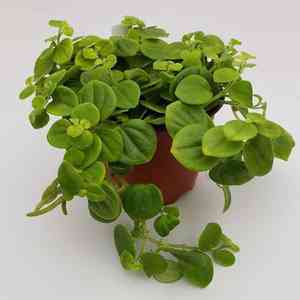
1
Optimal watering for Vining Peperomia is weekly, letting the top 1 inch of soil become dry between waterings.
2
Excessive watering is a frequent error; confirm your plant's container offers adequate drainage to avoid root decay.
3
In the colder months, decrease watering to once every fortnight as the plant's development decelerates.
Understanding the Moisture Requirements of Vining Peperomia
The Significance of Proper Hydration
Proper hydration is essential for maintaining your Vining Peperomia's well-being. This plant, originating from tropical and subtropical regions, flourishes in conditions that mirror its native habitat. Therefore, balanced moisture is crucial. Excessive watering can lead to root decay, while insufficient watering can cause leaves to wilt and the plant to weaken. Achieving the correct balance not only encourages robust growth but also enhances the plant's inherent beauty.
Indicators of Insufficient and Excessive Watering
Recognizing the signs of both underwatering and overwatering is critical for effective Vining Peperomia care. Plants lacking sufficient water will display dry, brittle foliage that may curl or develop brown tips. Conversely, plants receiving too much water often show yellow, soft leaves and a droopy appearance. Additionally, overwatering can result in a musty smell from the soil, indicating potential rot. By regularly inspecting the plant and soil, you can make timely adjustments to your watering regimen.
Optimal Practices for Hydrating Your Vining Peperomia
How to Determine When Your Plant Needs Moisture
Determining when your Vining Peperomia requires water involves a simple tactile test. Insert your finger approximately one inch (2.5 cm) into the soil; if it feels dry at this depth, it's time to irrigate. Furthermore, the plant's overall condition can offer clues – perky leaves typically signify adequate hydration, while limp or drooping leaves suggest a need for water. Employing this method helps prevent the extremes of both too little and too much water.
Preferred Watering Methods
When hydrating your Vining Peperomia, pour water directly onto the soil until it drains from the pot's base. This ensures the roots receive ample moisture without saturating the soil. Use water at room temperature to avoid shocking the plant. Watering in the morning is advisable as it allows the plant to utilize the moisture throughout the day and minimizes the risk of fungal development.
Seasonal Adjustments to Watering Schedule
Seasonal variations significantly influence the Vining Peperomia's hydration requirements. During spring and summer, the plant's active growth phase, water it weekly, ensuring the top layer of soil dries out between sessions. In contrast, during autumn and winter, the plant's growth slows, necessitating a reduction in watering frequency to every two weeks. Adapting your care routine seasonally ensures your plant remains healthy year-round.
Common Watering Errors to Avoid with Vining Peperomia
Over-Hydration Risks and Prevention
Over-hydration is one of the most frequent errors made by plant enthusiasts. Indicators include yellowing leaves and a soggy soil texture. To prevent over-hydration, ensure your plant is in a pot with sufficient drainage holes. Additionally, allow the soil to dry out between waterings and always empty the saucer beneath the pot after watering. By following these steps, you can significantly reduce the likelihood of root rot.
Using an Unsuitable Water Source
Using inappropriate water types, such as softened water, can harm your Vining Peperomia. Softened water often contains elevated sodium levels, which can accumulate in the soil and damage the plant. Instead, use filtered or distilled water to avoid the detrimental effects of tap water contaminants. If using tap water, let it sit out overnight to allow chlorine to dissipate.
Advanced Tips for Hydrating Vining Peperomia
The Role of Atmospheric Moisture in Plant Health
Atmospheric moisture plays a crucial role in your Vining Peperomia's health. These plants thrive in a humid environment, similar to their natural habitat. To increase humidity, consider placing a humidifier nearby or setting the plant on a pebble tray filled with water. Regular misting also helps, especially during dry winter months. Maintaining high humidity levels prevents leaf edges from browning and keeps the plant lush and vibrant.
Utilizing Self-Watering Systems: Advantages and Disadvantages
Self-watering systems can be a convenient option for maintaining consistent moisture levels but come with their own set of benefits and drawbacks. On the positive side, they reduce the frequency of manual watering and ensure a steady water supply. However, they can also lead to waterlogged soil if not properly monitored. If you choose a self-watering system for your Vining Peperomia, ensure the planter's reservoir is not constantly full and periodically check the soil's moisture level.



