How Often Should You Water Your Japanese persimmon?
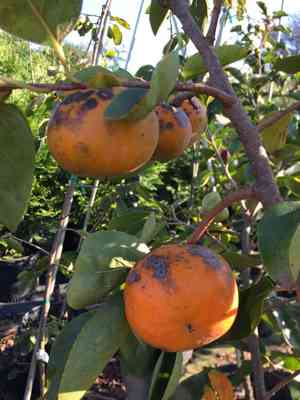
1
Generally, you should hydrate your Japanese persimmon approximately biannually, though always adapt for seasonal shifts and surrounding conditions.
2
Applying a layer of mulch around the trunk of your Japanese persimmon can assist in holding soil moisture and lessening how often you need to water.
3
Adaptable irrigation tools such as soaker hoses and drip systems provide uniform and effective water delivery, cutting down on surplus.
Deciphering the Hydration Needs of Japanese Persimmon
Optimal Irrigation Frequency for Vigorous Development
For the majority of Japanese persimmon trees, a good guideline is to water twice weekly. This schedule guarantees the tree receives sufficient moisture for robust growth without becoming saturated. However, specific requirements can vary based on factors like soil composition, local climate, and the tree's maturity. Younger trees might need more frequent watering until their root systems are established. Always assess soil moisture about 2 inches (5 cm) deep before deciding whether to water.
Seasonal Adjustments to Your Watering Regime
Your Japanese persimmon's hydration demands will shift with the seasons. During the warm summer months, you may need to increase watering frequency to prevent dehydration, potentially irrigating every other day in extremely hot conditions. Conversely, in cooler periods, reduce watering to avoid oversaturation, which can lead to root decay. Observing weather patterns and the tree's physical indicators can help guide your irrigation schedule.
Effective Methods for Watering Your Japanese Persimmon
Selecting the Appropriate Watering Apparatus
Efficient watering commences with the correct tools. For Japanese persimmon, consider utilizing soaker hoses or drip irrigation systems. These devices deliver water directly to the soil surrounding the tree's base, ensuring moisture penetrates the root zone without excessive runoff. They also assist in maintaining consistent hydration, which is vital for the plant's vitality. Manual watering with a watering can is effective, but ensure thorough saturation.
Techniques for Efficient Moisture Delivery
When hydrating your Japanese persimmon, it's crucial to water slowly to allow the soil to absorb moisture effectively. This minimizes water wastage and promotes deep root penetration. Apply water evenly around the tree's base, ideally covering the entire root area. Early morning is the best time for watering as it reduces evaporation and lessens the risk of fungal ailments that thrive in damp environments.
Common Watering Blunders to Avoid with Japanese Persimmon
Excessive Watering: Indicators and Remedies
Overwatering is a frequent error that can result in root rot and other problems. Signs of overwatering include yellowing foliage, diminished new growth, and a waterlogged soil surface. If these symptoms appear, immediately decrease watering frequency and enhance soil drainage. Raised planting beds and amending the soil with organic matter can improve drainage. Allow the soil to dry out before the subsequent watering session.
Insufficient Watering: Detection and Correction
Underwatering can be equally damaging, leading to wilted leaves, stunted development, and fruit drop. To remedy underwatering, ensure your Japanese persimmon receives consistent moisture. Deep irrigation is paramount – pour water slowly and deeply around the tree's base to encourage extensive root growth. Mulching also aids in retaining soil moisture, thereby reducing the likelihood of underwatering.
Supplementary Guidance for Optimal Hydration
Mulching: A Strategy for Moisture Conservation
Applying a layer of mulch around your Japanese persimmon's base helps preserve soil moisture, suppress unwanted vegetation, and regulate soil temperature. Organic mulches such as wood chips, straw, or shredded leaves are excellent choices. Spread a 2-3 inch (5-7 cm) layer of mulch, being careful not to let it contact the trunk directly to prevent rot.
Monitoring Soil Moisture for Informed Irrigation
Regularly tracking soil moisture levels is essential for making educated watering decisions. Invest in a soil moisture meter to assess moisture content at varying soil depths. Alternatively, you can manually check by inserting your finger or a small trowel into the soil. Aim for soil that is damp but not waterlogged. This practice enables you to adjust your watering schedule based on actual necessity rather than a rigid routine.



