How to Transplant Beaked yucca?
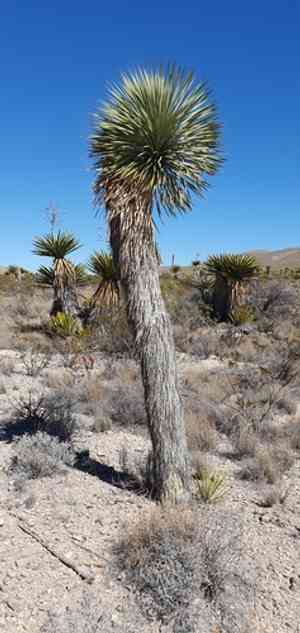
The optimal period for Yucca rostrata to establish new roots is during springtime, as the temperate conditions foster vigorous development. Placement necessitates well-draining substrate in luminous environments, and if necessary, carefully separate the roots to promote expansion within their new setting.
What Preparations are Needed Before Transplanting Beaked Yucca?
What is the Ideal Time for Transplanting Beaked Yucca?
The most favorable period for relocating beaked yucca is during the initial phase of the warm growing season, primarily due to abundant rainfall and mild temperatures. This provides beaked yucca with the perfect balance of warmth and moisture essential for strong root development. Moving beaked yucca at this time allows the plant to adjust to its new surroundings with ample time for rooting before the intense summer heat. A friendly reminderâthis timely transplant ensures that beaked yucca will be well-prepared and more resilient to future weather changes. Rest assured, selecting this period for transplanting is a step towards a flourishing beaked yucca.
How Much Space Should You Leave Between Beaked Yucca Plants?
When transplanting beaked yucca, adequate spacing promotes healthy development. Aim to position plants approximately 5-10 feet (1.5-3 meters) apart. This provides beaked yucca with sufficient room to flourish and transform your garden into a beautiful display.
What is the Best Soil Mix for Beaked Yucca Transplanting?
Regarding soil, beaked yucca thrives in well-draining conditions. You can prepare the base with a blend of compost and coarse sand. A small amount of slow-release granular fertilizer initially can supply vital nutrients to your beaked yucca.
Where Should You Relocate Your Beaked Yucca?
Beaked yucca loves sunlight! Select a spot in your garden that receives full sun for the majority of the day. An ideal location would be where beaked yucca can enjoy at least 6 hours of direct sunlight daily.
What Equipments Should You Prepare Before Transplantation Beaked Yucca?
Shovel or Spade
To excavate the beaked yucca plant from its original spot and prepare the new site for relocation.
Gardening Gloves
To safeguard your hands while handling soil and the plant.
Gardening Fork
To gently aerate the soil at the new location prior to planting.
Rake
To level the soil surface in the planting area.
Watering Can or Hose
For hydrating the plant and soil both before and after the transplanting procedure.
Organic Compost
To enrich the soil at the new planting site and support the plant's growth.
How Do You Remove Beaked Yucca from the Soil?
How Do You Remove Beaked Yucca from the Soil?
From Ground: Water the beaked yucca plant the day before transplanting to facilitate extraction. Then, dig a circular trench around the plant with your shovel or spade, being careful not to damage the plant's root ball. Gradually work the spade beneath the root ball to lift the plant from its original position.From Pot: Water your potted beaked yucca thoroughly a day before transplanting to soften the soil. On transplant day, lay the pot on its side and gently ease the plant out, taking care not to harm the root ball. If the plant resists, consider running a gardening knife along the pot's interior to loosen the roots.From Seedling Tray: Moisten the soil in the tray before carefully lifting the beaked yucca seedling out using a fork or your fingers. Be cautious not to damage the delicate roots.
Step-by-Step Guide for Transplanting Beaked Yucca
Prepare the Ground
Use your shovel to dig a hole in the designated area, ensuring it is twice as wide and equal in depth to the beaked yucca's root ball. Loosen the soil at the bottom of the hole with your gardening fork to encourage easy root spread.
Set the Plant
Position the beaked yucca plant in the hole. The top of the root ball should be level with the soil surface. Fill half of the hole with soil and incorporate some organic compost.
Finalize Planting
Continue filling the hole with soil, gently firming around the base of the beaked yucca to ensure stability. Water the plant thoroughly after planting to settle the soil.
Stand Back
Provide some clearance for your newly transplanted beaked yucca; this will promote proper air circulation.
How Do You Care For Beaked Yucca After Transplanting?
Watering
Itâs crucial to keep the soil slightly moist but not waterlogged. Water the beaked yucca thoroughly immediately after transplanting and continue regular watering for the initial few weeks.
Pruning
Remove any damaged or dead leaves from the beaked yucca to allow it to direct its energy towards establishing new roots.
Monitoring Growth
Watch for signs of transplant shock, such as yellowing leaves or wilting. If observed, reduce watering but do not let the soil completely dry out.
Mulching
Apply mulch around the base of the beaked yucca plant to help retain moisture and suppress weeds.
Troubleshooting Common Issues with Beaked Yucca Transplantation.
When is the best time to transplant beaked yucca?
The optimal time to transplant beaked yucca is from late winter to early spring (S1-S3). This allows the plant to establish itself before the hot, dry summer.
How far apart should I place beaked yucca during transplantation?
Each beaked yucca should be spaced 5 to 10 feet (1.5-3 meters) apart. This provides them with ample room to grow and reach their full size potential.
What is the initial step before transplanting beaked yucca?
Begin by carefully excavating beaked yucca from its current location. Endeavor to keep the root ball intact and as much soil as possible attached to the roots.
What type of soil is best suited for transplanting beaked yucca?
Beaked yucca thrives in well-drained soil. If the soil retains excessive water, consider amending it with coarse sand or small gravel to improve drainage.
How should I prepare the new pot or plot for beaked yucca transplantation?
Create a hole twice the width of beaked yucca's root ball, maintaining the same soil level. Add any necessary soil amendments before placing beaked yucca into the hole.
What are some measures to avoid root damage while transplanting beaked yucca?
Handle beaked yucca gently to prevent root damage. If roots are coiled in their pot, carefully untangle them before planting. Avoid overworking the roots.
How do I know if beaked yucca is established after transplantation?
You'll know beaked yucca has established when it begins to show new growth. Typically, this will occur within several weeks to a few months following transplantation.
What should I do after planting beaked yucca in the new location?
Water beaked yucca thoroughly but avoid waterlogging. Maintain consistent watering until the plant is established. A layer of mulch can help retain soil moisture.
How much sunlight will beaked yucca need after transplantation?
Beaked yucca prefers full sun to partial shade. Aim for approximately 6 hours of direct sunlight daily. Extended periods of shade may hinder growth.
How can I ensure beaked yucca survives transplant shock?
Minimize transplant shock by shielding beaked yucca from excessive wind and sun for a few days post-transplanting. Also, prune back any damaged or dead foliage.



