How to Prune Beaked yucca?
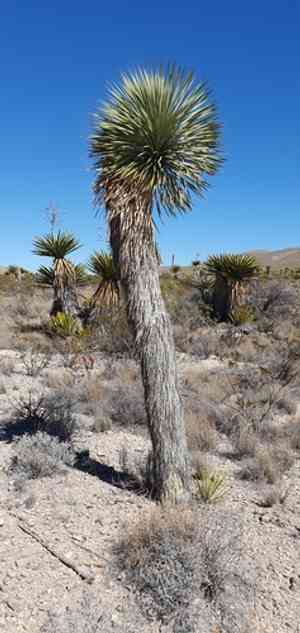
This unique perennial is recognized for its blade-like foliage and tall floral stalks. For beaked yucca, trimming withered or injured leaves at the plant's base is crucial. The best periods for this are during its winter resting phase to prevent plant stress. Eliminating faded flower stems improves appearance and directs energy toward robust leaves. Given beaked yucca's hardiness, pruning also lessens the chance of illness, promoting strong development. Exercise cautionâthe leaves possess sharp edges.
Advantages of Trimming Beaked Yucca
Advantages of Trimming Beaked Yucca
Trimming beaked yucca promotes robust development and maintains its attractive shape. By eliminating dead or damaged foliage, beaked yucca can allocate resources to building a strong structure and vibrant leaves.
Optimal Period for Trimming Beaked Yucca
Optimal Period for Trimming Beaked Yucca
Trimming beaked yucca in late winter is ideal as it typically marks the end of the plant's dormant phase. This timing allows for the removal of any winter damage before new growth emerges in spring. It also reduces stress on beaked yucca, as the plant isn't actively channeling energy into growth during this period. Pruning before new growth starts helps ensure a sturdy, healthy plant structure and encourages new growth in the desired direction and form. Furthermore, since beaked yucca is a slow-growing species, late winter pruning ensures minimal disruption to its slow energy reserve accumulation needed for spring and summer growth, and flowering cycles.
Necessary Tools for Trimming Beaked Yucca
Heavy-duty gloves
To shield hands from beaked yucca's sharp leaves and potential skin irritation.
Sharp pruning shears
For snipping off dead or damaged leaves, ensuring clean cuts and minimizing harm to beaked yucca.
Long-handled loppers
Perfect for reaching higher sections of beaked yucca and cutting through thicker stems without getting too close to its sharp foliage.
Pruning saw
Suitable for removing larger, woody parts of beaked yucca that shears and loppers cannot manage; essential for cutting through dense trunks or branches.
Eye protection
To guard against any accidental pokes or scratches when working with beaked yucca.
Step ladder
To safely access the upper parts of beaked yucca, especially for taller specimens, ensuring the pruner can maintain stability while working.
How to Trim Beaked Yucca
Clean Tools
Ensure pruning implements are clean and sharp to prevent disease spread and make precise cuts on beaked yucca.
Withered Leaves
Gently remove withered leaves from the base of beaked yucca by pulling them downwards and away from the trunk, avoiding harm to healthy tissue.
Dead Branches
Identify and cut dead branches at their base where they meet the trunk, using a saw for thicker branches. Make the cut flush with the trunk's surface without damaging the bark.
Diseased Branches
Isolate and trim diseased branches on beaked yucca, cutting several inches into healthy wood to ensure complete removal of any infected material.
Disposal
Discard all removed material such as withered leaves, dead, and diseased branches away from healthy plants to minimize the risk of disease spreading.
Common Trimming Errors with Beaked Yucca
Excessive Pruning
Removing too many leaves or cutting off too much of beaked yucca's foliage can stress the plant and reduce its ability to photosynthesize properly, potentially leading to poor health and reduced growth.
Incorrect Cuts
Making cuts that are either too jagged or at improper angles can create entry points for pests and diseases, and can also hinder the healing process of beaked yucca.
Trimming Live Leaves
Unlike dead or damaged leaves, live leaves contribute to the health and energy production of beaked yucca. Pruning these healthy leaves unnecessarily can be detrimental to the plant's vigor.
Neglecting Dead Leaves
Failing to remove dead or dying leaves can invite pests and diseases that may affect the overall health of beaked yucca.
Using Unsterilized Tools
Trimming beaked yucca with dirty or unsterilized tools can spread disease from plant to plant, harming not just beaked yucca but also other plants in the garden.
General Trimming Advice for Beaked Yucca
Selective Pruning
Carefully choose which leaves to trim based on their condition. Focus on removing dead, damaged, or diseased leaves to promote a healthier beaked yucca.
Clean Cuts
Make clean, angled cuts to ensure a swift healing process for beaked yucca. This reduces the risk of infections and minimizes stress on the plant.
Tool Sterilization
Always use sterilized trimming tools to avoid introducing pathogens to beaked yucca. Clean the tools before and after the trimming session.
Hand Protection
Since beaked yucca's leaves can be sharp, it is important to wear gloves and protective clothing to avoid injury during the trimming process.
Consider Plant Size
Understand the mature size of beaked yucca to avoid excessive trimming which might impede the natural growth and form of the plant.



