How to Transplant Fringed yellow-eyed grass?
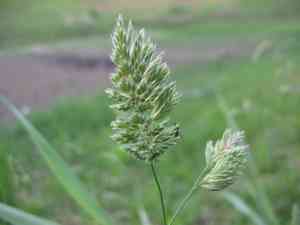
Fringed yellow-eyed grass flourishes when transplanted between early and mid-spring, capitalizing on peak development phases. A location receiving ample sunlight or partial shade, coupled with soil that drains effectively, is crucial. Maintain steady soil hydration, avoiding saturation, to facilitate successful establishment.
What Preparations are Needed Before Transplanting Fringed Yellow-eyed Grass?
What is the Ideal Time for Transplanting Fringed Yellow-eyed Grass?
Relocating fringed yellow-eyed grass, a perennial, from early to late spring offers prime conditions. This period provides mild temperatures and increased humidity, fostering root development and growth. Additionally, the plant has ample time to adjust before summer heat, ensuring robust establishment and resilience.
How Much Space Should You Leave Between Fringed Yellow-eyed Grass Plants?
When relocating fringed yellow-eyed grass, ensure each plant is spaced 12-18 inches (30-45 cm) apart to allow sufficient room for growth and flourishing.
What is the Best Soil Mix for Fringed Yellow-eyed Grass Transplanting?
Prepare well-draining, acidic to neutral soil (pH 5.5-7.0) enriched with organic matter. Incorporate a balanced base fertilizer to supply essential nutrients for your fringed yellow-eyed grass.
Where Should You Relocate Your Fringed Yellow-eyed Grass?
Select a location that receives full sun to partial shade, ensuring your fringed yellow-eyed grass gets at least 4-6 hours of sunlight daily.
What Equipments Should You Prepare Before Transplantation Fringed Yellow-eyed Grass?
Gardening Gloves
To safeguard your hands while handling soil and plants.
Shovel or Spade
For excavating and lifting the plant from its original spot.
Garden Fork
To loosen the soil around the plant and aid in lifting it without root damage.
Watering Can or Hose
To hydrate the plant before and after relocation.
Wheelbarrow or Bucket
For moving the plant with its root ball to the new site.
Compost or Mulch
To enrich the soil and help maintain moisture post-transplant.
Pruning Shears
To trim any damaged roots or foliage during the transplanting process.
How Do You Remove Fringed Yellow-eyed Grass from the Soil?
How Do You Remove Fringed Yellow-eyed Grass from the Soil?
From Ground: First, water the fringed yellow-eyed grass plant to moisten the soil. Then, dig a wide trench around the plant using a shovel or spade, ensuring the plant's root ball remains intact. Carefully work the spade beneath the root ball to lift the plant from its original location.From Pot: Begin by thoroughly watering the fringed yellow-eyed grass plant a few hours prior to transplanting. Gently tap the pot's sides to loosen the soil and roots. Carefully invert the pot while supporting the plant with your hand, and slide the plant out.From Seedling Tray: Water the fringed yellow-eyed grass seedlings before removal. Use a small spoon or garden fork to gently lift the seedlings from the tray, ensuring you extract as much of the root system as possible with minimal disruption.
Step-by-Step Guide for Transplanting Fringed Yellow-eyed Grass
Prepare the New Site
Ensure the transplant site is ready before you extract the fringed yellow-eyed grass from its initial spot. Dig a hole that is twice as wide and the same depth as the plant's root ball.
Lift the Plant Carefully
Using the appropriate removal technique (from ground, pot, or seedling tray), excavate the plant with its root ball intact. Be gentle to prevent root breakage.
Place the Plant in the New Hole
Position the fringed yellow-eyed grass in the center of the hole at the same depth it was previously growing. The top of the root ball should be level with the surrounding soil.
Backfill the Hole
Fill the hole with the excavated soil, gently pressing it around the plant's base to eliminate air pockets. It is crucial to keep the plant upright.
Water Thoroughly
After planting, thoroughly water the area to help the soil settle around the plant's roots. Ensure the water reaches the entire root zone.
Add Mulch or Compost
Spread a layer of mulch or compost around the base of the fringed yellow-eyed grass, but not touching the stem. This will help retain moisture and reduce weed competition.
How Do You Care For Fringed Yellow-eyed Grass After Transplanting?
Watering
Keep the soil around the fringed yellow-eyed grass consistently moist, but not waterlogged, for the initial weeks after transplanting to aid in strong root establishment.
Monitoring
Observe for any indications of transplant shock, such as wilting or yellowing leaves, and respond accordingly by adjusting water, sun exposure, or providing temporary shade.
Maintenance
Regularly inspect the area for weeds and remove them promptly to lessen competition for nutrients and water.
Fertilizer
After a few weeks, once the fringed yellow-eyed grass shows signs of new growth, provide a balanced, slow-release fertilizer to encourage healthy development.
Pruning
Trim any dead or damaged foliage to help the plant direct its energy towards new growth and root establishment.
Troubleshooting Common Issues with Fringed Yellow-eyed Grass Transplantation.
When's the best time to transplant fringed yellow-eyed grass?
It's ideal to move fringed yellow-eyed grass from early to late spring for optimal results.
How far apart should I space fringed yellow-eyed grass plants?
Space fringed yellow-eyed grass plants 12-18 inches (30-45 cm) apart for best growth.
How do I prepare soil for fringed yellow-eyed grass transplantation?
Ensure the soil is well-draining and slightly acidic with some organic matter mixed in.
What should I do if fringed yellow-eyed grass plants wilt after transplanting?
Keep the soil consistently moist but not waterlogged to help the plants recover.
How deep should I plant fringed yellow-eyed grass in the ground?
Plant fringed yellow-eyed grass at the same depth they were growing previously, so roots are well-covered.
Should I prune fringed yellow-eyed grass before transplanting?
It's not necessary to prune fringed yellow-eyed grass before moving, but you may trim damaged leaves.
Can I transplant fringed yellow-eyed grass in hot weather?
Avoid transplanting during high heat. Early or late spring is preferred to reduce stress.
What if fringed yellow-eyed grass shows yellow leaves after moving?
Yellowing often indicates stress. Ensure proper watering and avoid over-fertilizing.
Do fringed yellow-eyed grass plants need fertilizing after transplanting?
Lightly feed them with a balanced fertilizer one month after transplanting if growth is slow.
How can I prevent transplant shock in fringed yellow-eyed grass plants?
Water thoroughly before and after transplanting, and mulch to retain moisture and reduce stress.



