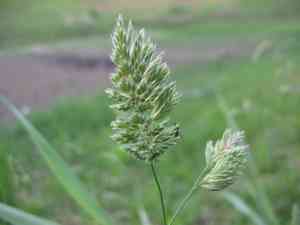
Fringed yellow-eyed grass (Xyris fimbriata)
Also known as: Fringed Yelloweyed Grass
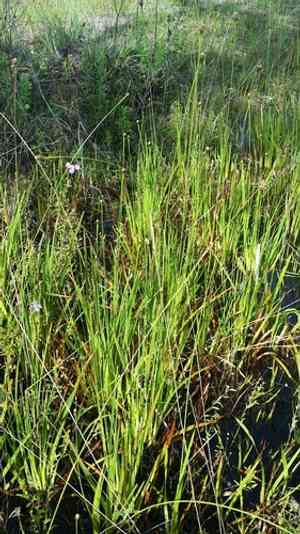
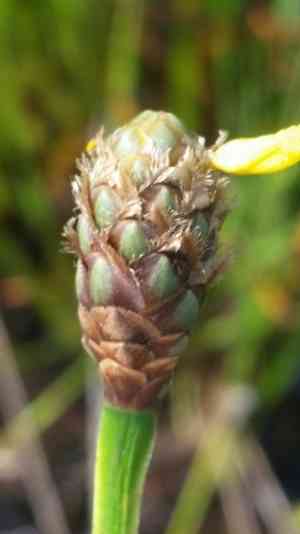
Fringed yellow-eyed grass (Xyris fimbriata) stands out as a wetland plant with its slender, grass-like leaves forming a basal rosette. The plant is notable for its bright yellow flowers, which feature fringed bracts. It thrives in moist, acidic environments such as bogs, marshes, and the edges of ponds, preferring sandy or peaty soils. This species flourishes in full sun to partial shade, adding a splash of vibrant yellow to wetland areas.
In This Article
Attributes of Fringed yellow-eyed grass
Lifespan
Perennial
Plant Type
Herb
Plant Height
30-60 cm
Spread
Approximately 15-20 cm
Leaf Color
Green
Flower Size
About 1-2 cm
Flower Color
Bright yellow
Images of Fringed yellow-eyed grass
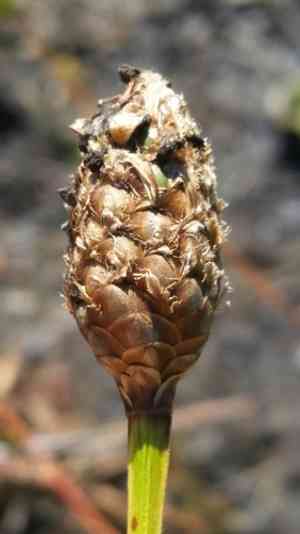
Quickly Identify Fringed yellow-eyed grass
1
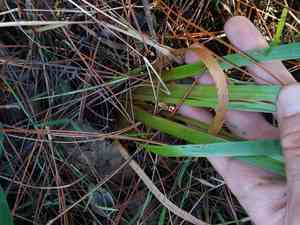
To identify Xyris fimbriata, look for its grass-like tufted leaves and the distinctive fringed yellow flowers that often appear in elevated clusters. The plants grow in wet soil, often in boggy or marshy environments.
Scientific Classification of Fringed yellow-eyed grass
Phylum
Vascular plants
Class
Monocotyledons
Order
Poales
Family
Yellow-eyed grasses
Genus
Yelloweyed grasses
Species
Fringed yellow-eyed grass
Planting and Growing of Fringed yellow-eyed grass
Care Difficulty
Moderate
Watering Schedule
Every 3 days
Sunlight Requirements
Full sun
Sunshine Duration
6-8 hours
Ideal Temperature
60-75℉
Soil Type
Potting Mix, Peat Mix
Soil pH
6-7.5
Fertilizer Type
Balanced
Pruning Season
Spring, Summer
Pruning Area
Branches, Leaves
Pruning Frequency
2 times a year
Repotting Season
Spring
Pot Type
Ceramic, Plastic
 How to Water Fringed yellow-eyed grass?
For Xyris fimbriata, the watering amount should be about 250 milliliters each time. This plant thrives in moist conditions, but it's imperative to allow the top 1-2 centimeters of soil to dry out before watering again. This ensures that the roots do not sit in water, preventing root rot. Aim to evenly moisten the soil, avoiding puddles.
What are the symptoms of an underwatered Fringed yellow-eyed grass?
›
What should I do if my Fringed yellow-eyed grass is not getting enough water?
›
What are the symptoms of an overwatered Fringed yellow-eyed grass?
›
How to save an overwatered Fringed yellow-eyed grass?
›
 What Are the Sunlight Requirements for Fringed yellow-eyed grass?
Xyris fimbriata ideally requires full to partial sun conditions. Such lighting promotes optimal growth, vibrant color, and supports the plant's natural cycles, leading to a resilient and healthy example of its species.
What is the ideal light level?
›
How to obtain ideal light conditions?
›
What are the benefits of ideal lighting?
›
 What Is the Ideal Temperature Range for Fringed yellow-eyed grass?
Xyris fimbriata thrives best in a moderately warm environment, with temperatures ideally ranging between 60°F and 75°F. This range provides optimal conditions for growth and metabolic processes, ensuring healthy development and bloom production.
 What Soil is Best for Fringed yellow-eyed grass?
Xyris fimbriata thrives in well-drained soil, which prevents root rot by allowing excess water to escape easily. This facilitates better aeration around the roots, enhancing nutrient uptake and promoting robust growth. Rich loamy soil provides essential nutrients that support the vigorous growth and vibrant flowering of Xyris fimbriata. The presence of organic matter in such soil types increases microbial activity, thereby enriching the soil bioavailability of nutrients. A consistent level of moderate moisture helps maintain optimal root hydration without the risk of over-saturation. This balance is crucial for the plant’s health and prevents drought stress, ensuring a lush, full appearance.
 How to Fertilize Fringed yellow-eyed grass?
For Xyris fimbriata, use a balanced liquid fertilizer diluted to half strength. Apply approximately 100 ml per plant per watering session to ensure nutrients are adequately absorbed without causing root burn or over-fertilizing.
 How to Prune Fringed yellow-eyed grass?
Begin by examining the plant for any dead or damaged leaves. Use sharp, clean scissors to cut these parts off. Try to maintain the natural shape of the plant while removing any parts that are obstructing the overall symmetry. Gently trim around the edges to maintain a neat and tidy appearance. Focus on a balanced cut that enhances the plant's overall form. Do not over-prune; cutting too much can stress the plant.
More About Pruning Techniques→
 How to Propagate Fringed yellow-eyed grass plant?
1
Collect mature seeds from the plant. Clean the seeds and dry them to prevent mold development. Store seeds in a cool, dry place until ready to plant.
2
Use a standard seed-starting potting mix. Fill your seed tray with the mix, ensuring it's evenly distributed and slightly damp to provide moisture for seed germination.
3
Scatter the seeds evenly over the soil surface. Cover lightly with a thin layer of soil mix. Water gently to avoid displacing the seeds.
 How to Repot Fringed yellow-eyed grass plant?
1
Repotting should be considered when you notice the roots emerging from the drainage holes or the plant seems stunted despite adequate watering and care. Typically, these signs mean the plant has outgrown its current pot and requires more space to continue thriving.
2
Select a pot that is 1-2 inches larger in diameter than the current one. The new pot should have ample drainage holes to prevent waterlogging, which is crucial for preventing root rot. A slightly larger pot ensures that the plant has enough room for future root growth while maintaining good drainage.
3
Opt for a sandy, well-draining soil mix. This type of soil ensures adequate drainage, preventing water accumulation that can lead to root rot. Additionally, a soil mix rich in organic matter will provide the necessary nutrients to support the plant's growth after repotting.



