How to Propagate Fringed yellow-eyed grass?
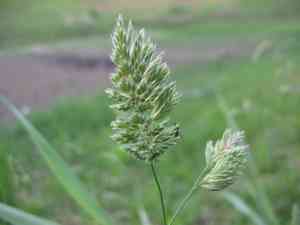
Xyris fimbriata flourishes in damp, gritty environments, frequently encountered in wetlands and swamps. For reproduction, utilize recently harvested seeds, as their germination rate is superior. Disperse seeds on the substrate's surface without burial, guaranteeing exposure to light for sprouting. Sustain perpetually humid conditions through frequent spraying. Sprouting may be inconsistent, necessitating perseverance throughout the procedure.
When Is the Optimal Time to Propagate Fringed Yellow-eyed Grass?
Propagation Method
Seeding
Propagation Period
Spring
What Equipment Is Utilized for Fringed Yellow-eyed Grass Propagation?
Seed Trays
Seed trays are vital for initiating the propagation of fringed yellow-eyed grass via sowing. These containers enable organized planting and offer sufficient room for seedling development. They assist in maintaining regulated conditions for germination and early growth.
Seed Starting Soil Mix
A premium seed starting soil mix guarantees proper drainage and moisture retention, which are critical for the germination of fringed yellow-eyed grass. This blend typically contains fine particles that aid root penetration and growth.
Misting Bottle
A misting bottle helps to gently irrigate seeds and seedlings without disturbing the soil, preventing seed displacement, which is especially important for the small seeds of fringed yellow-eyed grass. This maintains the necessary humidity levels for optimal germination.
Heating Mat
A heating mat placed beneath seed trays can provide consistent warmth, which benefits the germination of fringed yellow-eyed grass, as specific temperature ranges can enhance germination rates and seedling vigor.
Grow Lights
Grow lights ensure that fringed yellow-eyed grass seedlings receive adequate light exposure, particularly if natural sunlight is insufficient. Proper illumination prevents seedlings from becoming leggy and weak, promoting strong, healthy development.
Labeled Markers
Labeled markers assist in identifying fringed yellow-eyed grass seedlings among other plant species, ensuring accurate tracking and appropriate care throughout their growth stages.
Pipette or Dropper
Utilizing a pipette or dropper allows for precise delivery of water or liquid nutrients to fringed yellow-eyed grass seedlings without overwatering or disturbing the delicate plants, ensuring their health and viability.
How to Propagate Fringed Yellow-eyed Grass?
Propagation Difficulty
Simple
How to Nurture Your Newly Propagated Fringed Yellow-eyed Grass?
How to Nurture Your Newly Propagated Fringed Yellow-eyed Grass?
Post-transplant, water seedlings regularly to establish a robust root system, but avoid saturation. Monitor for pests and diseases, and ensure ample air circulation around the plants. Fertilize sparingly with a balanced, slow-release product. As fringed yellow-eyed grass matures, it will thrive in sunny, moist environments with occasional deadheading to encourage continuous blooming.
Common Errors to Avoid When Propagating Fringed Yellow-eyed Grass
Overwatering
Excessive moisture can lead to root rot and fungal infections, hindering fringed yellow-eyed grass from developing healthy roots.
Improper Soil Choice
Using soil that is too compact or poorly draining can suffocate the roots. Fringed yellow-eyed grass prefers sandy or loamy soil, and heavy soils can impede growth.
Insufficient Light
Placing fringed yellow-eyed grass in inadequate light conditions can impede its growth. Fringed yellow-eyed grass requires abundant sunlight to flourish, and insufficient light can weaken the plant.
Neglecting Air Circulation
Poor air movement can contribute to fungal infections and pest infestations. Ensuring good airflow around fringed yellow-eyed grass can prevent these issues.
Incorrect Cutting Technique
Taking cuttings from the wrong part of the plant or using inappropriate tools can hinder successful propagation. Properly sanitized and sharp tools should be used for making precise cuts.
Advice for Propagating Fringed Yellow-eyed Grass
Use Well-Draining Soil
Choose sandy or loamy soil that provides good drainage to prevent waterlogging.
Water Sparingly
Water the plant just enough to keep the soil moist but not soggy. Allow the top layer of soil to dry out slightly between waterings.
Provide Ample Sunlight
Ensure fringed yellow-eyed grass receives plenty of sunlight, ideally full sun to partial shade, to support healthy growth.
Maintain Good Air Circulation
Position fringed yellow-eyed grass in an area with good airflow to reduce the risk of fungal infections and pest problems.
Sanitize Tools
Use clean, sharp tools for cutting to prevent the spread of disease and ensure clean cuts.



