How to Transplant Eastern turkeybeard?
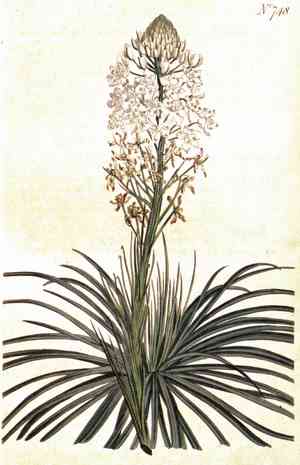
Eastern turkeybeard flourishes when relocated during the optimal period of mid to late spring, owing to beneficial temperatures. This enduring plant favors bright locations with soil that drains effectively. Guarantee minimal disruption to the roots for successful adaptation.
Essential Preparations Before Moving Eastern Turkeybeard?
Optimal Period for Relocating Eastern Turkeybeard?
Eastern turkeybeard, a perennial, is best moved from early to late spring. This timing aligns with its active growth, allowing roots to establish before summer heat. Transplanting then maximizes successful root development and overall plant vigor, setting the stage for strong blooms and longevity.
Required Spacing Between Eastern Turkeybeard Plants?
Ensure eastern turkeybeard are spaced approximately 15-18 inches (38-46 cm) apart to provide ample room for growth and flourishing. This spacing promotes good air circulation and reduces disease risk.
Ideal Soil Blend for Eastern Turkeybeard Relocation?
Prepare well-draining, sandy or loamy soil for eastern turkeybeard. Enrich the soil with a balanced base fertilizer, such as a 10-10-10 (N-P-K) mix, prior to planting to give the plants a nutrient-rich start.
Preferred New Location for Your Eastern Turkeybeard?
Select a site that receives full sun to partial shade for transplanting eastern turkeybeard. A spot providing at least 4-6 hours of daily sunlight will ensure your plants remain healthy and vibrant.
Equipment Needed Before Transplanting Eastern Turkeybeard?
Gardening Gloves
To safeguard your hands while handling soil and the plant.
Shovel or Spade
For digging around and lifting the plant.
Gardening Fork
To loosen the soil surrounding the plant.
Planting Tarp or Sheet
To aid in moving the plant from one spot to another.
Watering Can or Hose
For hydrating the plant during and after the transplanting process.
Garden Pruners
To trim any damaged or excess roots and foliage.
How to Extract Eastern Turkeybeard from the Ground?
How to Extract Eastern Turkeybeard from the Ground?
From Ground: First, moisten the eastern turkeybeard plant's soil by watering. Then, dig a wide trench around the plant with a shovel or spade, ensuring the root ball stays intact. Carefully work the spade beneath the root ball to lift the plant from its original spot.From Pot: Water the eastern turkeybeard plant thoroughly, then gently tap the pot's sides to loosen the soil. Hold the plant's base and carefully invert the pot to slide the plant out, supporting the root ball as you remove it.From Seedling Tray: Water the eastern turkeybeard seedlings to make the soil easier to manage. Use a small tool, like a gardening fork, to gently lift each seedling from the tray, aiming to keep as much of the root system intact as possible.
Detailed Guide for Transplanting Eastern Turkeybeard
Site Preparation
Prepare the new planting site by digging a hole twice as wide and as deep as the eastern turkeybeard plant's root ball. Ensure the soil is loose and ready for the plant.
Plant Placement
Position the eastern turkeybeard plant in the hole, making sure the top of the root ball is level with the ground surface. Adjust the hole's depth if necessary.
Backfilling
Carefully refill the hole with soil, gently pressing it down around the root ball to eliminate air pockets. Avoid compacting the soil too tightly.
Watering
Water the plant generously immediately after planting to help settle the soil around the roots. Ensure the soil is moist but not waterlogged.
Mulching (Optional)
Apply a layer of mulch around the base of the eastern turkeybeard plant, keeping it away from the stem, to help retain moisture and suppress weeds.
Post-Transplant Care for Eastern Turkeybeard?
Watering
Maintain consistent moisture in the soil around the eastern turkeybeard, avoiding sogginess, for the initial weeks after transplanting to encourage strong root development.
Monitoring
Regularly inspect the eastern turkeybeard for any indications of transplant shock, such as wilting or yellowing leaves. Address any issues promptly.
Fertilizing
Once the plant has settled and begun to grow, consider applying a balanced, slow-release fertilizer to support its continued development.
Weeding
Keep the area surrounding the eastern turkeybeard free of weeds, which can compete for water and nutrients.
Pruning
Trim any damaged or dead leaves to direct the plant's energy towards establishing new growth.
Resolving Common Issues with Eastern Turkeybeard Transplantation.
When is the best time to transplant eastern turkeybeard?
Transplant eastern turkeybeard from early spring to late spring for optimal results.
What is the recommended spacing for transplanting eastern turkeybeard?
Space eastern turkeybeard plants 15-18 inches (38-46 cm) apart to ensure ideal growth.
How should I prepare the soil for transplanting eastern turkeybeard?
Ensure well-drained, acidic soil rich in organic matter for transplanting eastern turkeybeard.
How deep should I plant eastern turkeybeard during transplantation?
Plant eastern turkeybeard at the same depth as they were previously growing.
What type of environment does eastern turkeybeard prefer?
Eastern turkeybeard thrives in partial to full sun and prefers a natural woodland setting.
How often should I water eastern turkeybeard after transplanting?
Water eastern turkeybeard thoroughly after transplanting and keep the soil consistently moist but not waterlogged.
What are the signs of transplant shock in eastern turkeybeard?
Wilting, yellowing, or stunted growth can indicate transplant shock in eastern turkeybeard.
How can I minimize transplant shock for eastern turkeybeard?
Transplant eastern turkeybeard on a cloudy day, keep roots moist, and apply a root stimulator.
Should I fertilize eastern turkeybeard after transplanting?
Lightly fertilize eastern turkeybeard with a balanced fertilizer to support its establishment in the new location.
Can I transplant eastern turkeybeard in the fall?
It's best to transplant eastern turkeybeard in spring. Fall transplanting may not allow sufficient root establishment.



