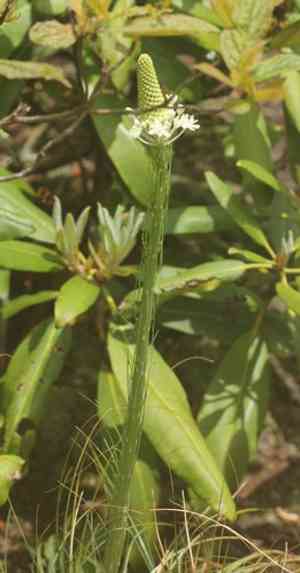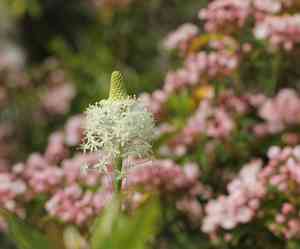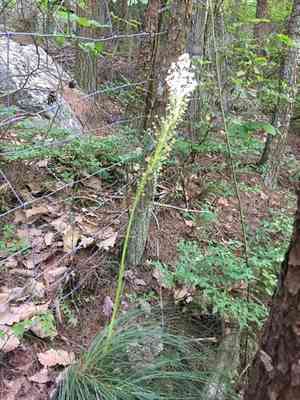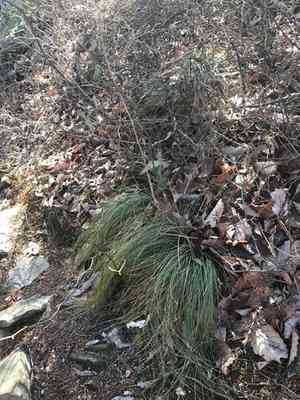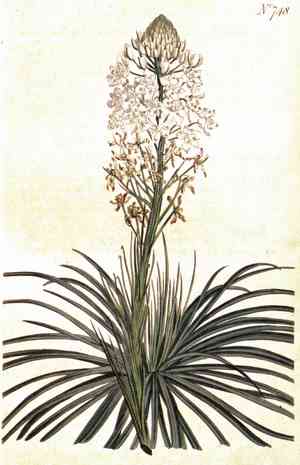
Eastern turkeybeard(Xerophyllum asphodeloides)

Eastern turkeybeard (Xerophyllum asphodeloides)

Also known as: Turkey beard

Eastern turkeybeard (**Xerophyllum asphodeloides**) is a notable perennial plant distinguished by its tall flower spikes adorned with white, star-shaped blooms that rise above a base of slender, grass-like leaves. This eye-catching plant predominantly inhabits dry, sandy woodlands and pine barrens of the eastern United States.

Key adaptations include:
- **Fire Resilience:** It thrives in fire-prone areas, benefiting from periodic wildfires that reduce competing vegetation and create open spaces.
- **Rhizomatous Roots:** Its rhizomatous root system allows it to spread efficiently and recover quickly from environmental disturbances.
- **Water Conservation:** The narrow, grass-like leaves are adept at conserving water, making the plant well-suited for drought-prone regions.

These adaptations enable Eastern turkeybeard to effectively survive and flourish in its specific, often challenging, habitats.

Attributes of Eastern turkeybeard

Lifespan
Perennial
Plant Type
Herb
Plant Height
Up to 1.5 meters (5 feet)
Spread
N/A
Leaf Color
Green
Flower Size
Approximately 2 centimeters (0.8 inches)
Flower Color
White

ForwardPlant - Identify plants with a snap

Identify and diagnose plants, get toxicity alerts, and explore safety guides for all types of fungi.

Try for Free

Images of Eastern turkeybeard

Eastern turkeybeard(Xerophyllum asphodeloides)

Quickly Identify Eastern turkeybeard

1
This plant can be identified by its long, linear, grass-like leaves that grow in a basal rosette. The flower stalk develops in late spring, bearing dense clusters of small, white, star-shaped flowers.

Scientific Classification of Eastern turkeybeard

Phylum
Vascular plants
Class
Monocotyledons
Order
Liliales
Family
Bunchflower
Genus
Xerophyllum
Species
Eastern turkeybeard

Planting and Growing of Eastern turkeybeard

Care Difficulty
Moderate
Watering Schedule
Every 2 days
Sunlight Requirements
Full sun
Sunshine Duration
6-10 hours
Ideal Temperature
60-75℉
Soil Type
Potting Mix, Peat Mix
Soil pH
6.5-7.5
Fertilizer Type
Balanced
Pruning Season
Spring, Summer
Pruning Area
Branches, Leaves
Pruning Frequency
2 times a year
Repotting Season
Spring
Pot Type
Ceramic, Plastic

water icon How to Water Eastern turkeybeard?

Ensure the soil is thoroughly moistened but not waterlogged. The optimal watering amount is about 250 ml, or enough to moisten the top inch of soil. Always check the soil moisture level before watering again to ensure it is dry approximately one inch below the surface. Overwatering can easily lead to root rot, a common issue with Xerophyllum asphodeloides.
What are the symptoms of an underwatered Eastern turkeybeard? ›
What should I do if my Eastern turkeybeard is not getting enough water? ›
What are the symptoms of an overwatered Eastern turkeybeard? ›
How to save an overwatered Eastern turkeybeard? ›

sunlight icon What Are the Sunlight Requirements for Eastern turkeybeard?

Sunlight Requirements: Full sun, Partial sun
Duration of light: 6-8 hours daily
Partial to full sunlight is ideal for Xerophyllum asphodeloides. This range ensures that the plant receives enough light for energy-intensive processes like flowering, optimizing its health and growth potential.
Preferred Sunlight Hours ›
Capturing Sun Exposure ›
Balancing Light Intensity ›

temperature icon What Is the Ideal Temperature Range for Eastern turkeybeard?

Ideal Temperature: 60 ~ 75℉
Xerophyllum asphodeloides thrives at a temperature range of 60 to 75°F because this range closely mimics the temperate forest environments it naturally inhabits. These temperatures ensure optimal photosynthesis rates, leading to healthy growth and vibrant blooms, as these plants are adapted to milder climates. Avoiding excessive heat or cold helps maintain their natural metabolic processes, thereby prolonging the plant's lifespan and enhancing its overall vitality.

soil icon What Soil is Best for Eastern turkeybeard?

Soil type: Sandy soil, Loam
Soil PH: 6.5 ~ 7.5
Xerophyllum asphodeloides thrives best in well-drained soil, which prevents waterlogging around the roots. This is crucial for the plant as excess water can lead to root rot. Ensuring proper drainage increases plant health and reduces the risk of fungal diseases. This plant prefers soil with moderate nutrient content. Although it isn't extremely demanding, supplying the right nutrients can support robust growth and vibrant flowers. A well-balanced fertilizer applied sparingly can provide the nutrients needed. Despite the need for some nutrients, Xerophyllum asphodeloides is adapted to low-fertility environments. Avoiding overly fertile soil helps maintain its natural growth pattern and prevents etiolation, ensuring strong and healthy development.

fertilize icon How to Fertilize Eastern turkeybeard?

Fertilizer type: Balanced
For Xerophyllum asphodeloides, the amount of fertilizer should be moderate. Use about half the suggested amount on commercial fertilizer packages. This equates to roughly 1/2 tablespoon per gallon of water for liquid fertilizer. Ensure the soil is evenly moist to help distribute nutrients.

prune icon How to Prune Eastern turkeybeard?

Pruning Time: Spring, Summer, Autumn
Start by removing dead, damaged, or diseased leaves, which are often apparent after environmental stress. Use sharp and clean pruning shears to prevent the spread of disease and to make clean cuts close to the base of the affected leaf or stem. Ensure good air circulation by thinning crowded areas. Xerophyllum asphodeloides benefits from regular shaping to maintain a tidy appearance. Follow the natural growth pattern of the plant, removing any wayward growth and trimming back excessively long stems to keep the plant compact and attractive. More About Pruning Techniques→

propagate icon How to Propagate Eastern turkeybeard plant?

Propagate Time: Spring, Late spring, Early spring
1
Collect seeds from mature Xerophyllum asphodeloides plants. Allow the seed pods to dry before removing the seeds. Store the seeds in a cool, dry place until ready for sowing.
2
Prepare seed trays with a light, well-draining potting mix. Sow the seeds evenly and cover them with a thin layer of soil. Water gently to avoid displacing the seeds.
3
In spring, gently dig up the mature plant and clean the roots. Use a sharp tool to divide the plant into sections, ensuring each part has roots attached. Replant immediately at the same depth as previous.
More About Propagating Techniques→

repot icon How to Repot Eastern turkeybeard plant?

Repotting frequency: Every 2-3 years
1
Xerophyllum asphodeloides shows the need for repotting when the roots start poking out of the pot's drainage holes or when its growth appears stunted. Ideally, the plant should be repotted during its active growth seasons, spring or summer, to minimize stress and promote healthy adaptation.
2
Select a pot that is slightly larger than the current one, with adequate drainage holes. A pot that is too large can retain excess moisture, leading to root rot. A snug fit encourages root growth and enhances nutrient absorption, offering stability for the top-heavy foliage.
3
Choose a well-draining loamy mix that provides both aeration and moisture control. The ideal soil should mimic its natural habitat, supporting root respiration while preventing waterlogging, which ensures the plant retains its vigor and healthy growth.

ForwardPlant - Identify plants with a snap

Find the best spots for them to optimize their health, simply using your phone.

Try for Free