How to Propagate Eastern turkeybeard?
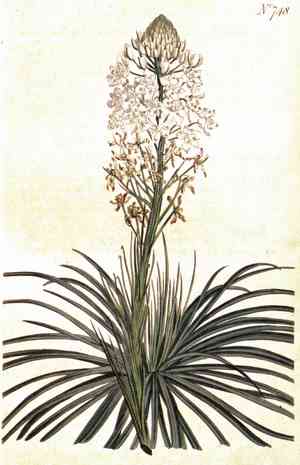
Eastern turkeybeard is a distinctive botanical specimen recognized for its prominent, blade-like leaves and white floral plumes. It flourishes in adequately drained, acidic substrates under conditions of partial solar exposure. For reproduction, it can be separated, making certain that every segment possesses roots and nascent stems for effective development. This technique preserves genetic uniformity and fosters vigorous specimens. Gentle manipulation during separation reduces harm to the root system, leading to more robust plants.
Optimal Period for Eastern Turkeybeard Propagation
Propagation Type
Division
Propagation Season
Spring,Autumn
Tools Utilized in Eastern Turkeybeard Propagation
Garden Fork
Employed to gently lift and separate eastern turkeybeard clumps during the division process. Its tines help loosen soil and minimize root damage, ensuring healthy divisions.
Sharp Knife or Pruners
Crucial for dividing the root clumps of eastern turkeybeard. A sharp tool ensures clean cuts, which aids in preventing infection and promoting faster healing.
Rooting Hormone
Applying rooting hormone to the cut sections of eastern turkeybeard can encourage root development and boost the propagation success rate.
Plant Labels
Helpful for tracking different clumps and their specific locations, especially when propagating multiple plants. Clear labeling assists in monitoring growth and health.
Sterile Soil Mix
A well-draining, sterile soil mixture offers an ideal growing environment for new eastern turkeybeard divisions, reducing disease risk and fostering healthy root development.
Watering Can with Fine Rose
Ensures gentle watering of newly propagated eastern turkeybeard to keep the soil moist without disturbing young roots or washing away soil.
Mulch
Applying a thin layer of mulch around newly planted divisions helps retain soil moisture, suppress weeds, and shield young plants from temperature fluctuations.
How to Propagate Eastern Turkeybeard
Propagation Type
Easy
Caring for Your Newly Propagated Eastern Turkeybeard
Caring for Your Newly Propagated Eastern Turkeybeard
Following eastern turkeybeard propagation, continue to monitor moisture levels, ensuring the soil remains consistently damp, especially during dry spells. Avoid excessive fertilization, as eastern turkeybeard prefers lean soils. Regularly check for any signs of pests or diseases, and remove any dead or dying foliage to encourage healthy growth. Over time, the divisions will establish and begin to grow more robustly, contributing to a thriving garden display.
Common Errors to Avoid When Propagating Eastern Turkeybeard
Overwatering
Excessive water can lead to root rot and fungal diseases, jeopardizing plant health and propagation success.
Improper Soil Composition
Using soil that doesn't mimic the natural acidic and well-draining conditions can impede root development.
Incorrect Light Conditions
Providing either insufficient or excessive light can stress the plant and hinder growth.
Neglecting to Stratify Seeds
Failing to cold-stratify seeds can result in poor germination rates, as the seeds require a period of cold to break dormancy.
Tips For Propagating Eastern Turkeybeard
Maintain Soil Acidity
Ensure the soil pH remains acidic, as eastern turkeybeard thrives in such conditions. Use pine needles or peat moss to maintain acidity.
Provide Well-Draining Soil
Use a mix of sandy and loamy soil to ensure proper drainage, preventing waterlogging.
Cold Stratify Seeds
Expose seeds to a period of cold, mimicking natural winter conditions to break dormancy and improve germination rates.
Adequate Light
Provide filtered sunlight or dappled shade to mimic the plant's natural habitat, promoting healthy growth.



