How to Transplant African morningvine?
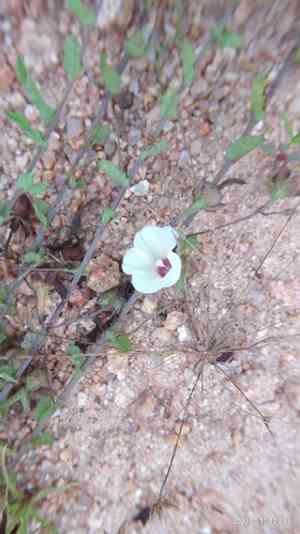
The optimal period for relocating african morningvine extends from early spring through its peak, as environmental factors support root establishment. Select a location bathed in sunlight featuring soil that drains effectively. Incorporate organic material to foster robust growth and minimize post-transplant stress.
What Preparations are Needed Before Transplanting African Morningvine?
What is the Ideal Time for Transplanting African Morningvine?
The optimal period for relocating african morningvine is during its active growth phase, ideally from the thawing of frost until just before the peak of summer. This timing is perfect because the warming ground and extended daylight hours facilitate root development. During this window, african morningvine benefits from mild temperatures and moderate moisture, which are crucial for recovering from the stress of transplantation and encouraging robust growth. This schedule also allows african morningvine to establish itself and gain strength before the intense summer heat, ensuring a successful start.
How Much Space Should You Leave Between African Morningvine Plants?
When preparing to move your african morningvine, ensure they have sufficient room to thrive. Aim to position them approximately 18-24 inches (45-60 cm) apart. This spacing provides each plant with ample area to develop strong root systems and expand without competing for essential nutrients.
What is the Best Soil Mix for African Morningvine Transplanting?
For your african morningvine, a well-draining soil, abundant in organic material, will create an ideal environment. Before transplanting, incorporate a balanced, slow-release fertilizer to give your african morningvine a nourishing start. Consider it a welcoming meal for your new green companions!
Where Should You Relocate Your African Morningvine?
Your african morningvine thrives in sunlight! Select a new location where they will receive full sun for optimal growth. A sunny spot means at least 6-8 hours of direct sunlight daily. This will ensure your african morningvine greets each morning bright and cheerful!
What Equipments Should You Prepare Before Transplantation African Morningvine?
Gardening Gloves
To safeguard your hands while handling soil and plants.
Shovel or Spade
For excavating around and beneath the plant for removal.
Hand Trowel
Used for precise digging and moving smaller plants.
Watering Can or Hose
To hydrate the plant before extraction and after replanting.
Pruning Shears
To trim any damaged roots or excess foliage.
Wheelbarrow or Garden Cart
For transporting the plant and soil.
Rooting Hormone (optional)
To stimulate root development after transplanting.
Mulch
To insulate the soil and maintain moisture levels post-transplant.
How Do You Remove African Morningvine from the Soil?
How Do You Remove African Morningvine from the Soil?
From Ground: First, hydrate the african morningvine to moisten the soil. Next, excavate a wide trench around the plant using a shovel or spade, ensuring the plant's root ball remains intact. Carefully maneuver the spade beneath the root ball to lift the plant from its original spot.From Pot: Water the african morningvine to make the soil damp. Invert the pot onto its side and gently tap or shake it to dislodge the plant. Support the plant's base with your hand and carefully extract it, making sure to keep the root ball and soil together.From Seedling Tray: Water the seedlings to keep the soil cohesive. Use a hand trowel or a dibber to gently lift the african morningvine seedling without disturbing its root system. Be delicate to prevent root damage, and hold the seedling by its leaves, not the stem.
Step-by-Step Guide for Transplanting African Morningvine
Preparation
Gather all necessary tools and supplies before commencing the transplanting process. This ensures a smooth and efficient operation without interruptions to locate items once you've started working with the african morningvine.
Removing the Plant
Follow the appropriate removal procedure outlined above under 'removal_process', ensuring minimal disturbance to the african morningvine's roots.
Hole Digging
Excavate a hole in the new location that is twice the width of the african morningvine's root ball and of equal depth to encourage lateral root growth.
Placement
Position the african morningvine in the center of the prepared hole. Ensure that the top of the root ball is level with the surrounding ground surface to prevent air pockets around the roots.
Filling the Hole
Carefully backfill the hole with the excavated soil, gently tamping down around the root ball to eliminate air pockets and ensure the african morningvine is stable and upright.
Watering
After transplanting, thoroughly water the african morningvine to settle the soil around its roots and help alleviate transplant shock.
Mulching
Apply a layer of mulch around the base of the african morningvine, keeping it away from the stem, to suppress weeds and help retain soil moisture.
Monitoring and Adjusting
Regularly inspect the plant and make necessary adjustments to supports, mulch, and monitor for pests or signs of stress.
How Do You Care For African Morningvine After Transplanting?
Regular Monitoring
Observe the african morningvine frequently for indications of stress such as wilting, discoloration, or stunted growth. Adjust care as needed.
Supporting Structures
If the african morningvine exhibits signs of weakness or an inability to stand upright, provide suitable stakes or trellises for support to encourage vertical development.
Pruning
Trim any damaged or dead foliage to direct the plant's energy towards establishing new roots and healthy growth, rather than repairing compromised parts.
Gradual Acclimatization
If relocating from a less harsh microclimate, slowly accustom the african morningvine to its new environment to lessen shock and promote adaptation.
Pest and Disease Management
Watch for pests and diseases that commonly appear after transplanting, and address them promptly with appropriate treatments.
Patience
Allow the african morningvine ample time to establish itself in its new location without disruption. Avoid re-transplanting too soon to ensure the plant can grow robustly.
Troubleshooting Common Issues with African Morningvine Transplantation.
What's the optimal period to transplant african morningvine?
The best time is during the gentle warmth of mid-spring to the onset of summer.
How far apart should I space african morningvine when transplanting?
Aim for a distance of about 18-24 inches (45-60 cm) to give each plant room to flourish.
How deep should the transplant hole be for african morningvine?
Make the hole deep enough so the root ball sits level with the soil surface.
Why are my african morningvine seedlings wilting after transplanting?
Wilting can occur if roots were damaged. Ensure gentle handling and adequate watering.
Can I transplant african morningvine on a hot, sunny day?
Transplanting in cooler, cloudy weather places less stress on african morningvine, promoting better adaptation.
What kind of soil is best for transplanting african morningvine?
Use well-draining soil, rich in organic matter, for the best growth of african morningvine.
How much water does african morningvine need after transplanting?
Initially, water abundantly to help african morningvine settle. Then, maintain consistent moisture, without overwatering.
How do I prepare african morningvine for transplanting?
Gently loosen the root ball and prune any damaged roots before placing into the hole.
Should I fertilize african morningvine when transplanting?
Wait a few weeks post-transplant before introducing a balanced fertilizer to avoid root burn.
My african morningvine looks droopy post-transplant. What should I do?
Provide shade and water to help it recover. Droopiness is common as it adjusts.



