How to Prune African morningvine?
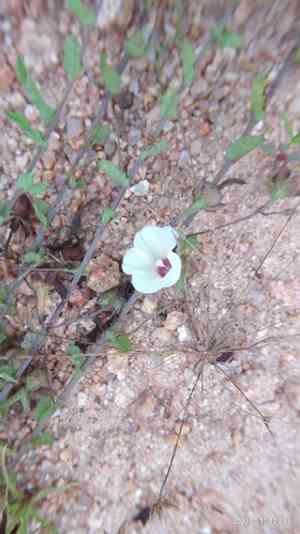
This robust climbing plant, recognized for its swift development and three-sided foliage, thrives with consistent trimming to control its dimensions and foster a denser appearance. For african morningvine, conduct pruning during spring, summer, or autumn, concentrating on eliminating deceased or excessively long branches to preserve the intended form and improve airflow. Trimming beyond these periods could interfere with its growth patterns. Cutting directly above leaf junctions can stimulate fresh sprouts, thereby improving its aesthetic appeal and enabling regulated expansion. Always employ sanitized, sharp tools to avert the spread of pathogens.
What Are the Benefits of Pruning African Morningvine?
What Are the Benefits of Pruning African Morningvine?
Trimming african morningvine promotes robust development and helps maintain its form. Strategic cutting back can stimulate the emergence of new, healthy shoots, leading to a fuller and more visually appealing plant.
What Is the Best Time for Pruning African Morningvine?
What Is the Best Time for Pruning African Morningvine?
Pruning african morningvine in spring coincides with the start of new growth after dormancy, preparing it for a healthy growing season. Early summer trimming is beneficial for shaping african morningvine and managing its expansive growth, ensuring it doesn't overwhelm other plants. Cutting during late fall allows gardeners to remove spent or dead foliage without disrupting the plant's natural cycle, as african morningvine gets ready for winter dormancy. These chosen periods ensure pruning won't interfere with african morningvine's flowering, enhance its vitality, and help keep it a manageable size. Optimal timing avoids wetter periods when cuts might not heal quickly, reducing disease risk.
What Tools Do I Need to Prune African Morningvine?
Hand pruners
Perfect for precise cuts on african morningvine's slender stems and can be used to shape the plant or remove dead and diseased parts. Bypass pruners are preferred over anvil types for clean cuts that encourage healthy regrowth.
Pruning saw
Essential for thicker stems or branches that hand pruners cannot manage. African morningvine may occasionally develop larger stems requiring the saw's cutting ability.
Loppers
Useful for cutting through medium-sized stems, especially those out of reach with hand pruners. The long handles provide leverage and allow access into the denser areas of african morningvine.
Garden shears
Good for trimming and shaping african morningvine if it's being maintained as a dense hedge. They allow for quick, even cuts over a large area.
How to Prune African Morningvine
Sterilize tools
Before beginning, ensure all pruning tools are disinfected to prevent the spread of disease during the trimming process.
Remove diseased parts
Carefully inspect african morningvine and cut away any diseased leaves and branches. Make cuts at a 45-degree angle to promote healing and avoid damaging the main stems.
Trim dead material
Identify and remove withered leaves and dead branches to maintain the health and appearance of african morningvine. This helps to redirect energy to growing parts of the plant.
Shape structure
Assess the overall structure of african morningvine and prune to shape if necessary. This includes trimming back overgrown branches to encourage a desirable growth habit.
Disinfect area
After pruning, clean the immediate area around african morningvine to remove any fallen debris and disinfect the tools to eliminate the risk of future infections.
Common Pruning Mistakes with African Morningvine
Over pruning
Removing too much foliage at once can stress african morningvine, leading to poor growth or even plant death.
Improper tool use
Using dull or dirty tools can damage the stems of african morningvine, creating openings for pests and disease.
Neglecting health checks
Failing to inspect african morningvine for signs of disease or pests before pruning can result in the spread of unhealthy conditions throughout the plant.
Random cuts
Making cuts without a clear plan can result in uneven growth and may compromise the natural shape of african morningvine.
Ignoring dead material
Not removing dead, diseased, or damaged material can hinder the growth and health of african morningvine and may lead to further complications.
Common Pruning Tips for African Morningvine
Sharp clean tools
Always use sharp, clean pruning shears to ensure clean cuts that heal quickly, reducing the risk of disease entry in african morningvine.
Strategic cutting
Prune african morningvine to maintain its shape and promote airflow, which minimizes the risk of fungal diseases.
Methodical approach
Approach pruning african morningvine methodically by assessing the entire plant first, then selectively removing unwanted or overgrown stems.
Dead material removal
Regularly remove any dead, diseased, or damaged material from african morningvine to promote healthy growth and flowering.
Conservative pruning
For african morningvine, practice conservative pruning, focusing on thinning rather than heading back to avoid excessive removal of growth.



