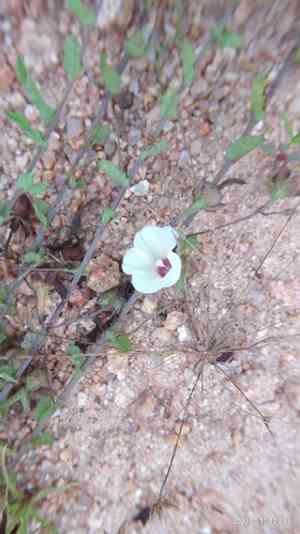
African morningvine (Xenostegia tridentata)
Also known as: Morning Glory, Beach Moonflower, Merremia tridentata
The African morningvine is a delicate vine found in tropical and subtropical regions. It features distinctive flowers similar to morning glories, often with dark red centers. In certain Pacific islands, this vine is regarded as an invasive species.
In This Article
Attributes of African morningvine
Lifespan
Perennial
Plant Type
Herb, Vine
Plant Height
4 m
Spread
Trailing, can cover up to several square meters
Leaf Color
Green
Flower Size
8 mm
Flower Color
White Yellow Red
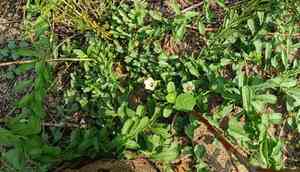
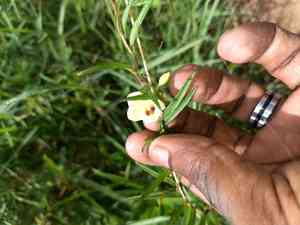
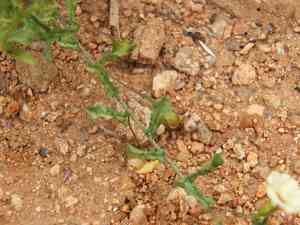
Images of African morningvine
Quickly Identify African morningvine
1
Xenostegia tridentata can be identified by its tri-lobed leaves, white or pale pink flowers, and trailing or climbing habit. It often has a thick, woody rootstock.
Scientific Classification of African morningvine
Phylum
Vascular plants
Class
Dicotyledons
Order
Solanales
Family
Morning-glory
Genus
Morningvines
Species
African morningvine
Planting and Growing of African morningvine
Care Difficulty
Easy
Watering Schedule
Every 2 days
Sunlight Requirements
Full sun
Sunshine Duration
6-10 hours
Ideal Temperature
68-77℉
Soil Type
Potting Mix, Peat Mix
Soil pH
6.5-7.5
Fertilizer Type
Balanced
Pruning Season
Spring, Summer
Pruning Area
Branches, Leaves
Pruning Frequency
2 times a year
Repotting Season
Spring
Pot Type
Plastic, Ceramic
 How to Water African morningvine?
When watering Xenostegia tridentata, it's important to ensure the soil is uniformly moist yet not waterlogged. A sensible rule of thumb is to water 250ml at a time, aiming for moist but well-drained soil. Avoid areas where water is likely to pool, promoting even distribution throughout the soil.
What are the symptoms of an underwatered African morningvine?
›
What should I do if my African morningvine is not getting enough water?
›
What are the symptoms of an overwatered African morningvine?
›
How to save an overwatered African morningvine?
›
 What Are the Sunlight Requirements for African morningvine?
Xenostegia tridentata thrives in conditions that offer full sun to partial sun. Ideal light promotes healthier growth patterns and maximizes its blooming potential, ensuring optimal ornamental value.
What is the ideal light setup for Xenostegia tridentata?
›
How can you ensure optimal light conditions?
›
What are the benefits of achieving ideal light conditions?
›
 What Is the Ideal Temperature Range for African morningvine?
Xenostegia tridentata thrives best in a stable temperature range of 68°F to 77°F. This range allows for optimal photosynthesis, growth, and metabolic activities. Maintaining these temperatures helps prevent stress and susceptibility to diseases, ensuring robust development and blooming. Temperatures within this range create an environment similar to their natural habitat, promoting healthy growth and thriving foliage.
 What Soil is Best for African morningvine?
Xenostegia tridentata thrives in well-draining soil, which helps prevent root rot by avoiding waterlogging. This ensures that the roots have access to both oxygen and moisture, maintaining healthy growth. The plant benefits from soil rich in organic matter, enhancing its growth and flowering. This provides essential nutrients that encourage robust health and resilience against pests and diseases. Soil with good moisture retention yet not overly wet supports steady hydration during dry periods. This balance helps the plant maintain its vibrant green foliage without stress.
 How to Fertilize African morningvine?
For Xenostegia tridentata, it's essential to apply a balanced fertilizer at a dilution rate instructed on the package to avoid over-fertilization. Generally, use about half the recommended dose for liquid fertilizers to prevent nutrient overload.
 How to Prune African morningvine?
Start your pruning session by removing any dead, damaged, or diseased stems and leaves. This encourages new growth and helps maintain overall plant health. Trim overgrown areas to maintain your desired plant shape, focusing on cutting back to a node to promote branching and fuller growth. Reduce overcrowded sections of the plant to ensure adequate light reaches all parts. This enhances air circulation, preventing fungal infections and encouraging robust development.
More About Pruning Techniques→
 How to Propagate African morningvine plant?
1
Start by collecting ripe seeds from a mature Xenostegia tridentata plant. Clean the seeds to remove any pulp or debris and allow them to dry completely before planting. This step is vital as it prevents fungal diseases during germination.
2
Select healthy stems from the plant, ideally those without flowers or buds, and cut them at an angle. These cuttings should be about 4-6 inches long and free from pests or disease.
3
Dip the cut end of the cutting into a rooting hormone to promote root growth. Plant the cutting into the potting mix, ensuring it's deeply embedded to support itself, and water thoroughly.
 How to Repot African morningvine plant?
1
Repotting Xenostegia tridentata is best when you notice roots circling the bottom, growth has slowed, or soil doesn't retain moisture well. Spring or early summer, when the plant begins actively growing, is the ideal time for repotting.
2
Select a pot that is one size larger than the current one, with good drainage holes. This prevents waterlogging and root rot, ensuring healthy root development and optimal plant growth.
3
Opt for a light, well-draining soil mix featuring a blend of cactus soil and perlite. This composition retains the right moisture levels and promotes root aeration, crucial for X. tridentata.



