How to Transplant Modesty?
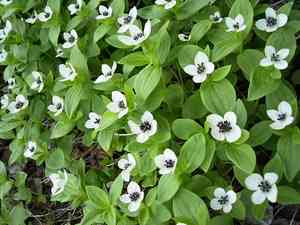
Relocate modesty during the active growing periods, from early spring through the beginning of summer, to facilitate optimal root development. Select a shaded spot featuring damp, adequately draining earth. A delicate approach fosters successful adaptation without requiring particular procedures.
Essential Preparations Before Relocating Modesty?
Optimal Period for Modesty Relocation?
The best time to move modesty is from early spring's awakening through the warmth of early summer. This duration provides mild temperatures and consistent daylight, ensuring strong root establishment and minimal plant stress. Choosing this window for the move allows modesty ample opportunity to root well, fostering a robust foundation for future growth and blooms. With nature's support, transplanting modesty now promises a healthy start in its new environment!
Required Spacing Between Modesty Plants?
When planning to move your modesty, aim for a separation of 24-36 inches (61-91 cm) between plants. This will provide your modesty with sufficient room to develop and flourish without becoming overcrowded.
Ideal Soil Blend for Modesty Transplantation?
For your modesty, a well-draining soil enriched with organic matter is perfect. Before transplanting, incorporate a balanced, slow-release fertilizer to give your modesty a strong start.
Preferred New Location for Your Modesty?
Your modesty will thrive best in an area that receives partial to full shade. Be sure to select a spot that avoids the intense midday sun to safeguard your modesty's delicate foliage.
Tools to Prepare Before Transplanting Modesty?
Gardening Gloves
To shield your hands while handling soil and modesty.
Shovel or Spade
For excavating and lifting modesty's root ball from its original spot.
Trowel
Useful for more precise digging, especially if moving from a container.
Watering Can or Hose
To hydrate modesty before and after the move to lessen shock.
Pruning Shears
To snip off any damaged roots or leaves prior to transplanting.
Wheelbarrow or Garden Cart
For transporting modesty and soil amendments if necessary.
Mulch
To help maintain soil moisture after modesty has been transplanted.
How to Extract Modesty from the Ground?
How to Extract Modesty from the Ground?
From Ground: First, water modesty to moisten the soil. Then, dig a wide trench around the plant using a shovel or spade, ensuring the root ball stays intact. Carefully work the spade beneath the root ball to lift modesty from its initial location.From Pot: Water the modesty thoroughly. Tilt the pot sideways and gently tap the bottom and sides to loosen the root ball. Slowly ease modesty out of the pot, making sure to support the plant and root ball.From Seedling Tray: Water the seedlings to ensure the soil is damp. Use a trowel or your fingers to gently lift each modesty seedling, taking care to keep the root ball undisturbed.
Step-by-Step Guide for Relocating Modesty
Preparation
Gather all necessary tools and supplies for transplanting modesty.
Watering
Water modesty before beginning the transplant process to minimize shock.
Removal
Depending on modesty's original location, follow the appropriate removal instructions provided above.
Hole Digging
Excavate a hole in the ground where you plan to transplant modesty that is twice as wide and the same depth as the existing root ball.
Plant Positioning
Gently place modesty's root ball into the hole, ensuring it is level with the surrounding ground.
Filling
Backfill the hole with soil, gently compacting it around the root ball to eliminate air pockets.
Watering Again
After transplanting, water modesty thoroughly to help settle the soil around the roots.
Mulching
Apply a layer of mulch around the base of modesty to help retain moisture and suppress weeds.
Post-Transplant Care for Modesty?
Maintenance Pruning
Remove any damaged or diseased parts of modesty to encourage healthy growth.
Regular Watering
Maintain consistent moisture levels, especially during the initial growing season, to help modesty establish itself.
Mulch Application
Keep the mulch layer intact to conserve water and control weed growth.
Monitoring
Observe modesty for signs of stress, such as wilting or discolored leaves, and take appropriate action as needed.
Addressing Common Modesty Transplantation Issues.
Why is my modesty wilting after transplanting?
Wilting may be due to shock. Ensure modesty is well-watered and initially shielded from intense sunlight.
What is the recommended spacing for modesty when transplanting?
Optimal spacing for modesty is 24-36 inches (61-91 cm) to allow for ample growth and spread.
What is the correct depth to plant modesty's root ball?
The root ball should be planted at its previous growing depth to prevent root suffocation or exposure.
How frequently should I water modesty after transplanting?
Water generously upon transplanting, then maintain moderate moisture until established, avoiding both excessive and insufficient watering.
Why are my modesty's leaves turning yellow after transplanting?
Yellowing might indicate water stress or nutrient deficiency. Ensure consistent moisture and consider a balanced fertilizer.
Should I amend the soil when transplanting modesty?
Amending soil with compost can improve nutrient content and drainage, benefiting modesty's establishment.
Can I transplant modesty in the fall or winter?
For best results, transplant modesty at the start of the growing season, typically from early spring to early summer.
How do I know if modesty has sufficient light after transplanting?
Modesty thrives in partial shade. Observe the plant's growth and color; leggy growth or dull color may suggest inadequate light.
Is it necessary to prune modesty when transplanting?
Pruning isn't essential, but trimming back can reduce stress on modesty's root system as it settles into its new location.
What should I do if modesty isn't growing after transplanting?
Be patient, as modesty may require time to adjust. Ensure optimal care conditions, and if no improvement, consult a local expert.



