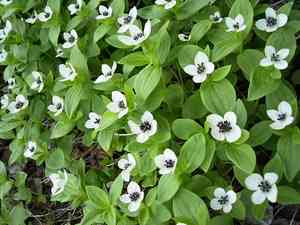
Modesty (Whipplea modesta)
Also known as: Moderate Whipplea, Common Whipplea
Modesty (Whipplea modesta) is a native flowering vine found primarily in California. It thrives in redwood, mixed evergreen, and yellow pine forests. Additionally, this plant is popular in coastal gardens due to its adaptability to shaded, moist environments.
In This Article
Attributes of Modesty
Lifespan
Perennial
Plant Type
Shrub
Plant Height
1.8 m to 3.5 m
Spread
50 cm to 1 m
Leaf Color
Green
Flower Size
6 mm
Flower Color
White
Images of Modesty
Quickly Identify Modesty
1
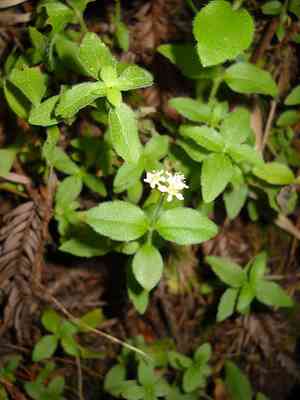
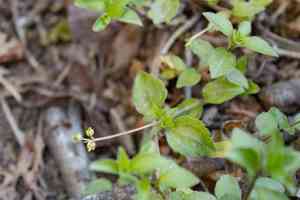
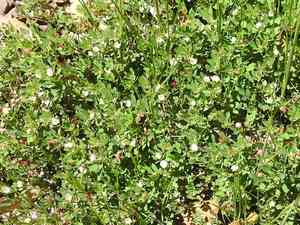
Whipplea modesta can be identified by its low, mat-forming growth habit, small ovate leaves, and clusters of small, white, star-shaped flowers.
Scientific Classification of Modesty
Phylum
Vascular plants
Class
Dicotyledons
Order
Cornales
Family
Hydrangea
Genus
Common Whipplea
Species
Modesty
Planting and Growing of Modesty
Care Difficulty
Easy
Watering Schedule
Every 3 days
Sunlight Requirements
Partial sun
Sunshine Duration
6-10 hours
Ideal Temperature
60-75℉
Soil Type
Potting Mix, Peat Mix
Soil pH
5.5-6.5
Fertilizer Type
Balanced
Pruning Season
Spring, Summer
Pruning Area
Branches, Leaves
Pruning Frequency
2 times a year
Repotting Season
Spring
Pot Type
Plastic, Terracotta
 How to Water Modesty?
Whipplea modesta requires sufficient water to keep the soil consistently moist but not waterlogged. Watering with 200 milliliters ensures that moisture reaches the root zone adequately without causing oversaturation. The ideal is to maintain an even level of moisture throughout the soil.
What are the symptoms of an underwatered Modesty?
›
What should I do if my Modesty is not getting enough water?
›
What are the symptoms of an overwatered Modesty?
›
How to save an overwatered Modesty?
›
 What Are the Sunlight Requirements for Modesty?
Partial sun to full shade allows Whipplea modesta to photosynthesize effectively without stress, supporting robust growth and optimal flowering by striking a balance between light and shade.
What is the ideal sun exposure?
›
What solutions ensure ideal exposure?
›
What benefits do ideal lighting conditions offer?
›
 What Is the Ideal Temperature Range for Modesty?
Whipplea modesta ideally thrives between 60°F to 75°F. This range supports optimal growth functions such as photosynthesis and nutrient uptake. Such temperatures simulate the plant's natural woodland habitat, allowing for healthy development.
 What Soil is Best for Modesty?
Whipplea modesta thrives in soil that retains moisture well but does not stay overly saturated. Soils like loam or sandy loam provide a perfect balance of moisture retention and drainage, ensuring the roots receive adequate hydration without drowning, promoting healthy growth and vitality. Rich nutrient content is essential for the flourishing of Whipplea modesta. Compost-enriched loamy soils offer a nutrient-rich environment, supplying essential minerals and organic matter that fuel robust plant development and vibrant foliage. Good soil aeration allows for proper root development and access to oxygen, which is crucial for Whipplea modesta. Loamy soils with their porous structure enable sufficient air exchange, preventing root diseases and promoting a healthy root system.
 How to Fertilize Modesty?
For Whipplea modesta, apply a balanced liquid fertilizer at half the recommended strength, ensuring not to overwhelm the plant's delicate root system. This approach maintains nutrient balance while promoting steady growth without the risk of nutrient burn.
 How to Prune Modesty?
Start by using a pair of sharp, clean pruning shears. Trim back any dead or diseased branches to ensure healthy regrowth. Focus on maintaining the shape by cutting back excessively long stems. Ensure you're only removing no more than 25% of the plant at once to avoid stress. Regular pruning helps maintain its compact form and enhances blooming in the next season. To maintain an attractive shape, prune Whipplea modesta selectively. Identify and cut back the longer, straggly branches that detract from its overall form. Pay attention to the plant's natural structure and aim to enhance its appearance rather than drastically altering it. This method encourages bushier growth and aids in sustaining a well-balanced plant profile.
More About Pruning Techniques→
 How to Propagate Modesty plant?
1
Gather seeds from mature Whipplea modesta plants in late autumn. Ensure they are dry and healthy, free from any signs of disease or pest damage.
2
Select healthy shoots in late spring, ideally from non-flowering growth. Make clean cuts using sterilized shears to enhance rooting potential.
3
In early summer, gently uproot mature plants. Separate each plant section with care to avoid root damage, ensuring each division has a healthy root ball.
 How to Repot Modesty plant?
1
Whipplea modesta should be repotted when you observe that the roots are emerging from the bottom of the pot, or when the plant's growth appears stunted despite proper care. Early spring is the optimal season as the plant is entering its growth phase, ensuring it has ample time to adjust to its new environment. An additional indicator is when the soil alone cannot adequately support the plant's size anymore.
2
Select a pot that is one or two sizes larger than the current one to offer room for growth. Opt for pots with drainage holes to prevent waterlogging, which can cause root rot. A ceramic or porous pot is ideal, as it allows the soil to dry out evenly, mimicking the plant's natural habitat. Ensure there's enough depth to accommodate the root ball comfortably.
3
Choose a rich, well-draining soil mix that includes organic matter such as compost or peat. This mixture supports healthy root development by keeping the soil aerated while providing essential nutrients. Such a mix helps maintain the necessary moisture balance without becoming overly soggy, which is crucial for Whipplea modesta's resilience and vitality.



