How to Prune Modesty?
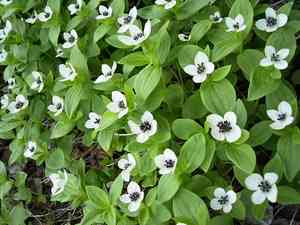
A small, enduring shrub, modesty flourishes in the filtered light of its natural forest habitat, producing bunches of tiny, aromatic blossoms. Trim modesty during late winter or early spring, prior to the emergence of new shoots. Concentrate on excising deceased or injured branches and sculpting the plant for a neat look. Reducing dense sections improves air movement, which is advantageous for the plant's well-being. Trimming also fosters more compact foliage and could enhance blooming in the subsequent period.
What Are the Benefits of Pruning Modesty?
What Are the Benefits of Pruning Modesty?
Trimming modesty promotes more robust development by stimulating fresh growth and helps maintain its form for a compact and appealing look.
What Is the Best Time for Pruning Modesty?
What Is the Best Time for Pruning Modesty?
Late winter and early spring are the ideal periods for trimming modesty, as this timing allows for the removal of any dead or damaged growth from winter before the plant's active growth phase begins. Pruning in late winter ensures that cuts will mend rapidly with the arrival of new growth in spring. Additionally, since modesty may start forming new buds in spring, early spring pruning enables the gardener to shape the plant and guide its development without significantly affecting its flowering or fruiting potential. This timing also lowers the risk of disease and pest infestation, as fresh wounds are less vulnerable during these cooler periods. Pruning during dormancy helps to revitalize modesty, leading to healthier and more aesthetically pleasing growth throughout the growing season.
What Tools Do I Need to Prune Modesty?
Hand Pruners
For trimming and shaping modesty, hand pruners are essential due to their ease of use, allowing for precise cuts. They are perfect for severing stems up to 1/2 inch in diameter.
Lopping Shears
When dealing with thicker branches of modesty up to 1 1/2 inches thick, lopping shears provide the necessary leverage and cutting power without harming the plant.
Pruning Saw
For any branches over 1 1/2 inches thick on modesty, a pruning saw is recommended to ensure a clean and efficient cut without tearing the bark, which could lead to disease.
Garden Scissors
These are useful for snipping spent flowers or light trimming of modesty's foliage. Their fine blades allow for delicate work and minimal disturbance to the surrounding plant.
Gloves
Wearing gloves is advisable to protect the gardener's hands from thorns or rough bark while pruning modesty, ensuring a safe gardening experience.
How to Prune Modesty
Sanitation
Before beginning, sterilize all tools to prevent the spread of disease to or from modesty. Clean cuts will help the plant heal faster and ensure healthier growth.
Identification
Carefully examine modesty for the specific parts to trim, such as diseased leaves, withered leaves, dead branches, and diseased branches. Accurate identification of which parts to prune is vital for the plant's health.
Removal Of Leaves
Gently snip off diseased and withered leaves from modesty at their base, using sharp, sterilized pruning shears. Make sure not to tear the leaves, as clean cuts heal better.
Removal Of Branches
Using sharp, sterilized pruning tools, carefully remove dead and diseased branches by cutting at a 45-degree angle just above a healthy bud or junction. This angled cut helps prevent water accumulation and promotes healing.
Cleanup
After pruning modesty, promptly clear away and dispose of any fallen debris to prevent the spread of disease and pests. Keep the area around modesty clear to maintain a healthy growing environment.
Common Pruning Mistakes with Modesty
Overpruning
Removing too much foliage from modesty can stress the plant, making it more vulnerable to disease and potentially stunting its growth.
Improper Cut Location
Cutting too far from a bud or node can result in unsightly stubs that neither heal properly nor produce new growth. Conversely, cutting too close can damage the bud and inhibit new growth.
Using Dull Tools
Dull pruning tools can damage the stems of modesty, leading to jagged cuts that are more prone to disease and pest infestation.
Tearing Stems
Attempting to break or tear branches instead of cutting them cleanly can harm modesty, causing unnecessary wounds that may lead to disease and unhealthy growth patterns.
Neglecting Tool Hygiene
Failing to clean and disinfect tools between uses can spread pathogens from one plant to another, risking the health of modesty.
Ignoring Plant Structure
Neglecting to consider the natural shape and growth pattern of modesty when pruning can result in a less aesthetically pleasing appearance and compromise the plant's structural integrity.
Common Pruning Tips for Modesty
Clean Cuts
Always use sharp, clean pruning shears to make precise cuts. This will help minimize damage to the plant and promote quicker healing.
Selective Pruning
Focus on removing dead, damaged, or diseased wood first, followed by thinning out crowded areas to improve air circulation and light penetration for modesty.
Follow Natural Form
Prune in a manner that maintains modesty's natural shape. This encourages a stronger, more pleasing plant structure and promotes healthy growth.
Encouraging New Growth
Prune just above a bud or lateral branch to encourage new growth in the desired direction. Make sure the cut is angled away from the bud to prevent water accumulation and possible rot.
Spacing Cuts
Space out larger cuts to give modesty time to recover, rather than making many significant cuts all at once. This approach is less shocking to the plant and supports continued vitality.
Regular Maintenance
Regularly inspect modesty for pruning needs. Addressing issues incrementally rather than in a single, extensive pruning session can benefit the plant's health and appearance.



