How to Transplant Frost grape?
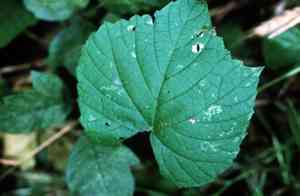
For frost grape, the peak of spring's warmth transitions into the mild hold of early summer, creating the perfect window for relocation. Preferred spots offer full sun to partial shade and soil that drains effectively. Keep in mind, favorable environments encourage root development and overall health.
What Preparations are Needed Before Transplanting Frost Grape?
What is the Ideal Time for Transplanting Frost Grape?
The optimal period for relocating frost grape is from late spring to early summer, providing an excellent opportunity for root establishment. This timeframe, following the last frost, encourages vigorous development, ensuring a strong beginning. During these months, frost grape's capacity to recover and flourish in new locations is enhanced due to warmer soil temperatures, favorable weather conditions, and a full growing season ahead to strengthen before winter.
How Much Space Should You Leave Between Frost Grape Plants?
For frost grape, aim to maintain ample distance between individual plants during relocation. Ideally, a spacing of approximately 10-15 feet (3-4.5 meters) is recommended to support proper root and foliage development. Remember, providing them space is beneficial!
What is the Best Soil Mix for Frost Grape Transplanting?
For frost grape, well-drained soil is essential, though they exhibit good adaptability to various soil types. Incorporating a foundational fertilizer like compost or manure will offer a valuable boost. Undertake some soil preparation beforehand—your plants will be grateful!
Where Should You Relocate Your Frost Grape?
Frost grape plants thrive in sunlight! Select a garden location that receives full sun to partial shade. This promotes optimal growth. If your area experiences intense midday heat, a bit of afternoon shade can be advantageous.
What Equipments Should You Prepare Before Transplantation Frost Grape?
Gardening Gloves
To safeguard your hands while handling the plant and working with the soil.
Shovel or Spade
To excavate frost grape from its original spot and to prepare the new planting hole.
Pruning Shears
To trim any damaged or overcrowded roots.
Hand Trowel
To aid in positioning the plant in its new location.
Gardening Hose or Watering Can
To hydrate the plant during removal and after its relocation.
Stakes and Twine
To offer support for frost grape, as it may require something to climb upon.
How Do You Remove Frost Grape from the Soil?
How Do You Remove Frost Grape from the Soil?
From Ground: To extract frost grape from the ground, first moisten the soil by watering the plant. This will facilitate digging. Next, using a shovel or spade, dig a wide trench around the plant, taking care not to harm the root ball. Afterward, gently lift the plant from its initial position, preserving as much of the root ball as possible.From Pot: For potted frost grape, invert the pot while supporting the plant's base. Lightly tap the pot's rim on a firm surface to dislodge the plant's root ball. If it resists, you might need to slide a knife around the pot's edge to free the root ball.From Seedling Tray: If you are transplanting frost grape from a seedling tray, water the tray first to dampen the soil. Then, carefully tease out the seedling, ensuring you hold the leaves, not the stem or roots. Be gentle to prevent damage to the young plant.
Step-by-Step Guide for Transplanting Frost Grape
Preparation
After removing frost grape from its initial location, trim any damaged or congested roots using pruning shears. Then, prepare the new planting hole with your shovel or spade, making it twice as wide and slightly deeper than the plant's root ball.
Placement
Position frost grape into the prepared hole, ensuring the root ball is level with the ground or slightly elevated. Use a hand trowel to backfill the hole, taking care not to cover the trunk or plant the specimen too deeply.
Staking
If necessary, stake frost grape after planting by inserting the stake into the ground and securing the plant with twine. Ensure the stake is robust enough to support the plant as it develops.
Watering
Using your gardening hose or watering can, thoroughly water frost grape immediately after transplanting to settle the soil around the roots.
How Do You Care For Frost Grape After Transplanting?
Protection
Shield frost grape from strong winds and extreme temperatures for a few weeks while it establishes in its new spot. Employ a plant cover or barrier if needed.
Watering
Ensure frost grape receives adequate moisture during the establishment phase. The soil should remain consistently damp, neither waterlogged nor parched.
Checking & Pruning
Regularly inspect frost grape for any indications of pests or disease. Additionally, prune frost grape to encourage denser growth and remove any dead or diseased branches.
Mulching
Apply mulch around the base of frost grape to help retain moisture and suppress weeds.
Troubleshooting Common Issues with Frost Grape Transplantation.
When is the best time to transplant frost grape?
Late summer to early fall, specifically the third to fourth season, is the optimal period for relocating frost grape.
What is the ideal space between plants when transplanting frost grape?
It's advisable to leave approximately 10-15 feet (3-4.5 meters) between each frost grape to allow ample room for development.
How deep should I plant frost grape during transplantation?
Plant frost grape deep enough so that the rootball is just below the soil surface. Planting too deeply may lead to root rot.
What should I do if the leaves of my transplanted frost grape are wilting?
Ensure sufficient watering but avoid overwatering. If watering is appropriate, consider providing shade during peak sunlight hours.
How often should I water my transplanted frost grape?
Initially, water frequently to keep the soil uniformly moist. Gradually decrease the frequency as the plant becomes established.
Why has my transplanted frost grape stopped growing?
This could be transplant shock. Consistent watering and time should see it resume growth. Patience is crucial here.
Does frost grape need any special soil preparation before transplanting?
Frost grape thrives in well-draining soil. Incorporate compost or organic matter to enrich the soil prior to planting.
Can I transplant frost grape in containers and move it indoors during harsh climates?
Yes, frost grape can be cultivated in containers. However, ensure it receives adequate sunlight and space for growth.
Should I prune my frost grape before or after transplantation?
Pruning after relocation is recommended. This will stimulate new growth and help the plant establish more quickly.
How long should I wait to fertilize my frost grape after transplantation?
Wait about 4 weeks to allow the plant's roots to settle before applying fertilizer. Use a balanced fertilizer.



