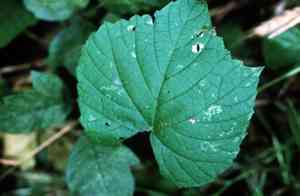
Frost grape (Vitis vulpina)
Also known as: Wild grape
The grapevine species known as Vitis labrusca, commonly referred to as the fox grape, winter grape, or wild grape, is prevalent across the United States and Canada. It is widely used in winemaking.
Attributes of Frost grape
Images of Frost grape
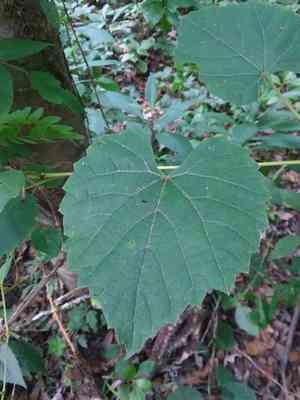
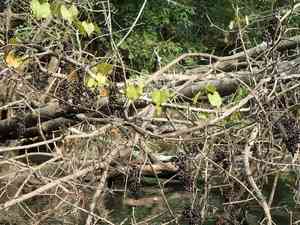
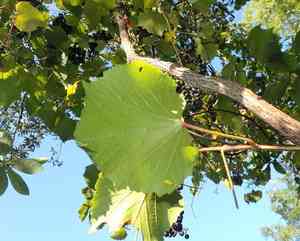
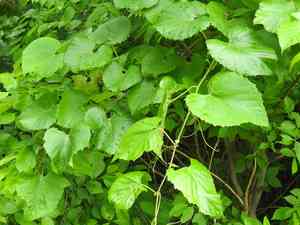
Quickly Identify Frost grape
Scientific Classification of Frost grape
Planting and Growing of Frost grape
 How to Water Frost grape?
 What Are the Sunlight Requirements for Frost grape?
 What Is the Ideal Temperature Range for Frost grape?
 What Soil is Best for Frost grape?
 How to Fertilize Frost grape?
 How to Prune Frost grape?
 How to Propagate Frost grape plant?
 How to Repot Frost grape plant?
Toxicity of Frost grape
Is Frost grape toxic to cat?
Frost grape presents a moderate toxic risk to cats. When felines consume the fruits of frost grape, they can suffer from signs of physical distress. It is vital for cat owners to remain alert and keep their pets away from these fruits to prevent any chances of poisoning. Should a cat ingest any portion of the frost grape, it is imperative to act swiftly. Prompt and comprehensive care at a veterinary clinic is necessary to tackle any health issues resulting from the poisoning.
Is Frost grape toxic to dog?
Frost grape presents a moderate toxicity risk to dogs. The primary route of poisoning occurs through ingestion. Notably, the fruits of frost grape contain toxic compounds that can adversely affect canines. If a dog consumes these berries, it may show various symptoms of poisoning, such as vomiting, diarrhea, abdominal discomfort, or more serious signs depending on the amount ingested. It is crucial for pet owners to keep a vigilant eye on their dogs and prevent them from accessing the frost grape fruits. Should a dog consume any part of this plant and exhibit signs of distress, it is imperative to seek prompt veterinary assistance to secure the best possible outcome for the affected pet.



