How to Propagate Frost grape?
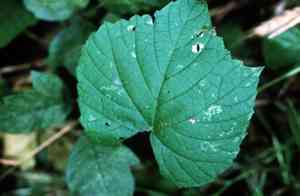
Vitis riparia can be reproduced via tender stem sections or by layering during the spring or summer seasons. The challenge level for propagation is average, yet indicators of successful reproduction encompass the emergence of roots and fresh foliage. For optimal results, utilize a growing medium that drains effectively and supply sufficient hydration and nourishment.
Optimal Time for Frost Grape Propagation
Propagation Method
Cutting
Propagation Period
Spring,Summer
Tools for Frost Grape Propagation
Sharp pruning shears
Sharp pruning shears are vital for taking cuttings from frost grape. They provide a clean, precise cut, minimizing harm to both the parent plant and the cutting. A clean cut is crucial for the cutting's health, reducing infection risk and ensuring high survival during rooting.
Rooting hormone
Rooting hormone speeds up root development on frost grape cuttings. Applying it to the cut end makes the cutting more likely to establish a strong root system, boosting successful plant propagation.
Sterilization equipment (e.g., alcohol, bleach solution)
Sterilization equipment prevents contamination and disease spread during the cutting process. Tools and work surfaces should be sterilized before taking cuttings from frost grape to maximize the health and viability of the propagates.
Plant pots with drainage holes
These pots offer a suitable environment for frost grape cuttings to root. Drainage holes are critical to prevent waterlogging, which can cause root rot and harm young plants. Pots must allow excess water to drain freely while providing ample space for root development.
Soilless potting mix
A soilless potting mix provides a sterile, well-draining medium ideal for frost grape root formation. This medium is pathogen-free and offers the necessary aeration and moisture retention to support the cutting during its initial growth phase.
Plastic bags or humidity domes
Plastic bags or humidity domes create a humid environment around frost grape cuttings, helping maintain moisture levels and encouraging successful rooting. These tools are particularly beneficial in regulating the atmosphere around cuttings to prevent desiccation.
Heating mat (optional)
A heating mat can provide gentle warmth to the pot's base, promoting faster root growth for frost grape cuttings, especially in cooler climates or during colder parts of the year when root development may be slower.
Caring for Your Newly Propagated Frost Grape
Caring for Your Newly Propagated Frost Grape
After rooting, gradually acclimate the frost grape to less humid conditions. Transplant it to a larger pot with standard vineyard soil mix once roots are established, and provide a trellis or support for its climbing habit. Water regularly to keep the soil moist and apply a balanced fertilizer during the growing season. Prune in late winter to early spring to promote healthy growth and fruit production. Ensure full sun exposure for optimal growth.
Common Errors to Avoid When Propagating Frost Grape
Overwatering cuttings
Excessive moisture around frost grape cuttings can lead to root rot and fungal infections, hindering root development and potentially killing young plants.
Using non-sterile tools
Propagating frost grape with contaminated tools can introduce pathogens, harming delicate cuttings and reducing the chance of successful propagation.
Ignoring soil requirements
Frost grape prefers well-draining soil. Using compact or waterlogged soil can hinder root growth and negatively affect the plant's overall health.
Neglect of correct planting depth
Planting frost grape cuttings too deep or too shallow can lead to improper root development and reduce the plant's ability to absorb nutrients.
Overlooking pest control
Failing to manage pests during the early stages of frost grape propagation can severely damage young plants and impede their growth.
Advice for Propagating Frost Grape
Use semi-hardwood cuttings
Taking cuttings from semi-hardwood growth of frost grape ensures better rooting potential and increases the chances of successful plant establishment.
Maintain high humidity
Keeping the humidity level high around frost grape cuttings can improve rooting success, as it helps to prevent excessive transpiration and water loss.
Employ bottom heat
Providing gentle bottom heat encourages root growth in frost grape cuttings, which can significantly enhance the propagation process.
Use rooting hormone
Applying a rooting hormone to frost grape cuttings can stimulate root development and support the establishment of new plants.
Monitor moisture levels
Ensuring that the soil remains consistently moistâbut not waterloggedâcan support the healthy growth of frost grape roots without promoting rots or fungal diseases.



