How to Transplant Sand- grape?
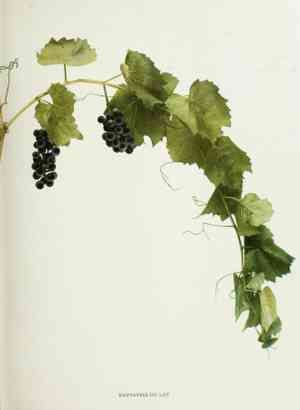
Sand- grape flourishes optimally when relocated between mid-spring and late spring, benefiting from agreeable temperatures. Select bright, adequately draining sites to foster robust development. Limiting root disruption during the transfer is crucial for its successful integration.
Essential Preparations Before Relocating Sand- Grape?
Optimal Period for Relocating Sand- Grape?
Sand- grape, a perennial, thrives when moved between early and late spring. This timing ensures the ground is warm, aiding root establishment and minimizing transplant stress. The upcoming growing season allows sand- grape to adapt and flourish, maximizing development and resilience.
Recommended Spacing Between Sand- Grape Plants?
When relocating sand- grape, ensure a distance of 8-9 feet (2.4-2.7 meters) between them. This spacing prevents competition for nutrients, water, and sunlight, and provides ample room for care.
Best Soil Blend for Sand- Grape Relocation?
For sand- grape, select soil that drains well. Sandy loam or loamy soil types are most suitable. Amend the soil with organic compost and a phosphorus-rich base fertilizer to encourage root development. Aim for a soil pH of approximately 6.0 to 7.0.
Ideal New Location for Your Sand- Grape?
Move sand- grape to a spot that receives full sun, at least 6-8 hours daily. This guarantees optimal growth and yield, as sand- grape flourishes with abundant sunlight exposure.
Necessary Tools for Sand- Grape Relocation?
Gardening Gloves
To safeguard your hands while handling soil and the plant.
Shovel or Spade
For excavating the plant from its original spot and preparing a hole at the new site.
Watering Can or Hose
To hydrate the sand- grape before and after its relocation.
Garden Trowel
To assist with more precise digging and moving tasks.
Wheelbarrow
For transporting the sand- grape if the initial location is distant from the new planting area.
Pruning Shears
For trimming any damaged roots or branches during the relocation process.
Mulch
To help maintain soil moisture after the move.
How to Extract Sand- Grape from the Ground?
How to Extract Sand- Grape from the Ground?
From Ground: First, moisten the sand- grape plant to dampen the soil. Then, dig a wide trench around the plant using a shovel or spade, ensuring the plant's root ball remains intact. Carefully work the spade beneath the root ball to lift the plant from its original position.From Pot: Water the sand- grape thoroughly. Gently tap the pot's sides to loosen the soil, then tilt the pot slightly while supporting the plant's stem. Slide the plant out, aiming to keep the root ball whole.From Seedling Tray: Water the seedlings well before removal. Use a garden trowel or spoon to carefully lift the seedlings, taking care not to harm the roots. Hold the seedlings by their leaves, not the delicate stems, to prevent damage.
Step-by-Step Guide for Relocating Sand- Grape
Preparation
Ensure all your tools are clean and sterilized to prevent disease. Water the sand- grape plant and the new planting site beforehand.
Digging the Hole
Excavate a hole at the new location that is twice as wide and the same depth as the sand- grape's root ball. This provides ample room for root expansion and growth.
Removing the Plant
Carefully extract the sand- grape from its initial spot, retaining as much soil around the roots as possible.
Relocating
Position the sand- grape in the hole, ensuring it is level with the surrounding ground. Backfill the hole with soil, gently firming it around the plant to eliminate air pockets.
Watering
Water the sand- grape thoroughly immediately after relocation. Ensure the soil is well-hydrated but not waterlogged.
Mulching
Apply a layer of mulch around the base of the sand- grape to help retain moisture and suppress weeds.
Post-Relocation Care for Sand- Grape?
Watering
Keep the soil around the sand- grape consistently moist, but not saturated, for the initial weeks after relocation to aid in strong root establishment.
Monitoring
Regularly inspect your sand- grape for signs of relocation stress, such as wilting or yellowing leaves, and address any issues promptly.
Protection
Shield the sand- grape from strong winds or direct sunlight for the first few days to minimize stress.
Feeding
After a few weeks, consider applying a balanced fertilizer to support new growth. Avoid excessive fertilization as it can harm the plant.
Resolving Common Issues with Sand- Grape Relocation.
When is the best time to move sand- grape?
Relocate sand- grape from early to late spring for optimal outcomes and growth.
How much space do sand- grape plants require?
Space sand- grape plants 8-9 feet (2.4-2.7 meters) apart to ensure adequate room for development.
What soil preparation is needed for sand- grape?
Ensure well-draining soil with organic matter. Test pH; sand- grape prefers neutral to slightly acidic soil.
How should I handle sand- grape roots during relocation?
Handle roots gently and keep them moist. Avoid damaging or excessively exposing them to air.
What is the ideal hole size for sand- grape?
Dig a hole twice as wide and as deep as the root ball of sand- grape.
How do I water sand- grape after relocation?
Water thoroughly immediately after relocation, providing deep soaking to establish roots of sand- grape.
What is the best mulch to use for sand- grape?
Use organic mulch like straw or bark chips. Apply 2-3 inches (5-7.5 cm) around sand- grape.
Should I prune sand- grape after relocation?
Light pruning can help sand- grape reduce relocation stress but avoid heavy pruning initially.
How can I minimize relocation shock for sand- grape?
Keep roots moist, provide sufficient water, and avoid moving on very hot days to reduce shock.
When will sand- grape show new growth after relocation?
Sand- grape typically begins to show new growth within a few weeks to a couple of months after relocation.



