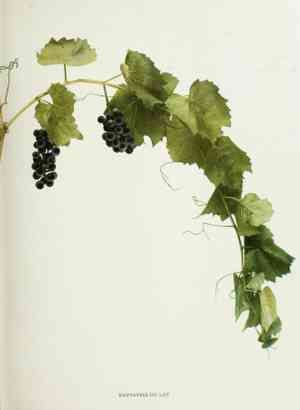
Sand- grape (Vitis rupestris)
Also known as: Rock grape, Beach grape, Riverbank grape
Rupestris St. George is a well-known cultivar extensively used in breeding French-American hybrids and as a root stock. It is one of the most recognized varieties for these purposes.
In This Article
Attributes of Sand- grape
Lifespan
Perennial
Plant Type
Vine, Shrub
Plant Height
3-4 meters (as a vine)
Spread
Variable, spreading as a vine
Leaf Color
Green
Flower Size
Small, 1-2 mm
Flower Color
Greenish
Images of Sand- grape
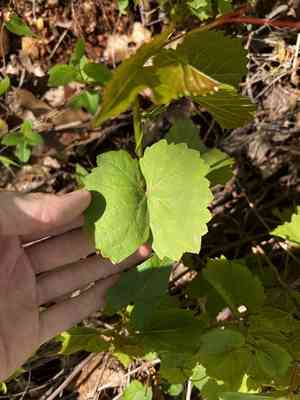
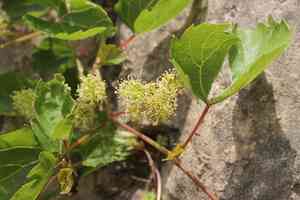
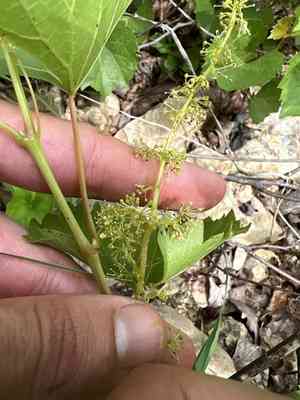
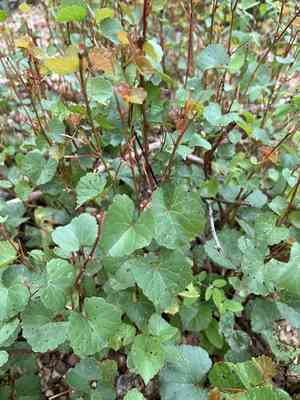
Quickly Identify Sand- grape
1
To identify Vitis rupestris, look for its small, deeply lobed leaves, which are typically heart-shaped with toothed edges. The vine produces small clusters of dark purple to black grapes and has tendrils for climbing.
Scientific Classification of Sand- grape
Phylum
Vascular plants
Class
Dicotyledons
Order
Vitales
Family
Grape
Genus
Grapevines
Species
Sand- grape
Planting and Growing of Sand- grape
Care Difficulty
Moderate
Watering Schedule
Every 4 days
Sunlight Requirements
Full sun
Sunshine Duration
4-6 hours
Ideal Temperature
65-80℉
Soil Type
Potting Mix, Peat Mix
Soil pH
6-7.5
Fertilizer Type
Balanced
Pruning Season
Spring, Summer
Pruning Area
Branches, Leaves
Pruning Frequency
2 times a year
Repotting Season
Spring
Pot Type
Plastic, Ceramic
 How to Water Sand- grape?
For Vitis rupestris, ensure the soil is thoroughly soaked with about 300 ml of water each time. The goal is to have the soil moist but not waterlogged. Check that excess water drains from the bottom of the pot to prevent root rot.
What are the symptoms of an underwatered Sand- grape?
›
What should I do if my Sand- grape is not getting enough water?
›
What are the symptoms of an overwatered Sand- grape?
›
How to save an overwatered Sand- grape?
›
 What Are the Sunlight Requirements for Sand- grape?
Prefers full sun with 6 to 8 hours of sunlight. Optimal light ensures vigorous growth and high-quality grape production.
Why is full sun recommended?
›
How can partial sun conditions be managed?
›
What are benefits of ideal lighting for Vitis rupestris?
›
 What Is the Ideal Temperature Range for Sand- grape?
Vitis rupestris thrives when grown in temperatures ranging from 65 to 80°F. These conditions mimic its natural habitat, allowing the plant to photosynthesize efficiently and maintain healthy growth. During this temperature range, the metabolic processes occur at optimal levels, promoting robust foliage, healthy root systems, and potential abundant fruiting.
 What Soil is Best for Sand- grape?
Vitis rupestris thrives in well-drained soil, preventing root rot and ensuring healthier growth. Well-aerated soil enhances root respiration and nutrient uptake, vital for robust plant health. This plant benefits from moderately fertile soil. A blend of organic matter not only improves soil fertility but also aids in moisture retention, essential for optimal vine health. While preferring sandy soils, Vitis rupestris also relies on sufficient moisture retention to prevent drought stress. This balance supports consistent growth and fruit production.
 How to Fertilize Sand- grape?
For Vitis rupestris, using a balanced NPK ratio like 10-10-10, apply approximately 0.5 pounds for young vines and up to 2 pounds for mature ones. Always consider soil tests to adjust the amount to avoid deficiencies or excesses.
 How to Prune Sand- grape?
Begin by thoroughly examining the plant to locate any dead or diseased vines. These should be your first target, as removing them will help promote healthier growth. Choose the healthiest, most robust canes to retain and bear fruit. These should be evenly spaced to allow for optimum sun exposure and air circulation. Use clean, sharp pruning shears to make precise cuts at a 45-degree angle just above the node. This will facilitate rapid healing and new growth. Aim to retain a neat, open structure within the vine to ensure that sunlight can penetrate and air can circulate, reducing the risk of mold and mildew.
 How to Propagate Sand- grape plant?
1
Prepare seeds by soaking them in warm water for 24 hours to soften the seed coat, enhancing germination rates. This step ensures greater success when planting and nurturing seedlings.
2
Select healthy, young stems about 4-6 inches long. Remove the leaves from the lower half of the stem and dip the cut end into rooting hormone to enhance root formation.
3
Collect scions and rootstocks of compatible sizes. A grafting knife is used to create clean cuts, and the scion is carefully attached to the rootstock before securing with grafting tape.
 How to Repot Sand- grape plant?
1
Repotting Vitis rupestris is crucial when the plant outgrows its current pot or displays sluggish growth. Look for roots coming out of drainage holes or compacted soil as signs that it's time to repot. Aim to repot during active growth phases in spring or autumn to minimize stress on the plant.
2
Select a pot with adequate drainage holes and one size larger than the current pot. This ensures sufficient space for root expansion, preventing overcrowding. A pot that is too large, however, will retain excess moisture, which can lead to root rot. Opt for materials like terracotta to promote breathability and moisture balance.
3
For Vitis rupestris, the ideal soil is a well-draining potting mix rich in organic matter. This type of soil allows for excellent aeration and moisture retention, crucial for the health of grapevine roots. A mix that includes compost helps supply essential nutrients, fostering vigorous growth.
Learn More About Sand- grape Diseases
Anthracnose
Bacterial Leaf Spot
Crown Gall
Cyst Nematode
Damping-off
Downy Mildew
Drought Stress
Fusarium Wilt
Gray Mold
Leaf Curl
Leaf Spot
Mosaic
Nutrient Deficiency
Nutrient Toxicity
Powdery Mildew
Root Rot
Root-knot Nematode
Rusts
Sooty Mold
Spider Mites
Temperature Stress
Thrips Damage
White Mold



