The Sand- grape Plant Advantage: Maximizing Home and Office Appeal and Wellness
1
Sand-grape assists in bolstering the body's defense mechanisms.
2
Abundant in antioxidants, Sand-grape contributes to lessening oxidative damage.
3
Sand-grape finds utility in conventional wine production and culinary arts.
What are the Essential Nutrients in Sand- grape?
Antioxidants
Antioxidants are vital for overall health by combating oxidative stress and free radicals. Sand- grape is exceptionally rich in these compounds, like flavonoids and resveratrol, which shield cells from harm and reduce inflammation. These substances effectively slow aging and promote general well-being.
Vitamins and Minerals
Sand- grape provides a wealth of crucial vitamins and minerals, including Vitamin C, Vitamin K, potassium, and calcium. Vitamin C supports the immune system and collagen production, while Vitamin K aids blood clotting and bone health. Potassium helps regulate blood pressure, and calcium is key for strong bones and teeth.
How Can Sand- grape Boost Your Health?
Immune System Support
Strengthening your immune system is a key advantage of Sand- grape. Its abundant antioxidants and Vitamin C enhance the body's capacity to fight off infections and illnesses. Regular intake can lead to a stronger immune response, reducing susceptibility to common colds and other ailments.
Cardiovascular Health
Sand- grape has demonstrated positive effects on heart health. Resveratrol helps lower cholesterol and improve arterial function. By decreasing hypertension risk and preventing blood clot formation, Sand- grape contributes to a healthier cardiovascular system.
What are the Culinary Applications of Sand- grape?
Traditional Winemaking
A fascinating use of Sand- grape is its role in traditional winemaking. Its robust flavor and high sugar content make it perfect for producing rich, full-bodied wines. These wines are not only delicious but also offer health benefits linked to moderate wine consumption, such as improved heart health.
Gastronomy and Culinary Delight
Beyond winemaking, Sand- grape can be incorporated into various culinary dishes. From salads and desserts to sauces and marinades, this versatile plant adds a distinct flavor profile to meals. Its natural sweetness and nutritional value make it a favored ingredient among chefs and home cooks.
What are the Environmental Advantages of Sand- grape?
Soil Erosion Prevention
Sand- grape is known for thriving in difficult soil conditions, including sandy and rocky terrains. This resilience makes it invaluable for preventing soil erosion. By stabilizing the soil, Sand- grape helps maintain ecological balance and prevents land degradation.
Biodiversity Support
Cultivating Sand- grape aids biodiversity by offering a habitat for various wildlife species. The plant's flowers attract pollinators like bees and butterflies, fostering a healthy ecosystem. Additionally, its fruits serve as a food source for birds and mammals, supporting the local food chain.
Why Should You Consider Growing Sand- grape in Your Garden?
Ease of Cultivation
Sand- grape is relatively simple to grow and maintain, making it an excellent choice for both new and experienced gardeners. Its adaptability to diverse soil types and resistance to many common plant diseases make it a low-maintenance addition to any garden.
Aesthetic Appeal
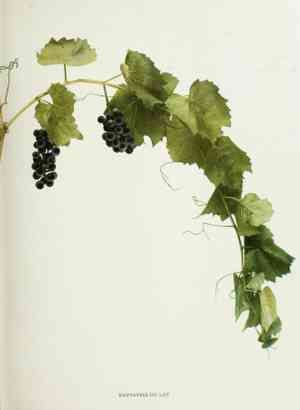
Beyond its health and culinary benefits, Sand- grape can enhance your garden's visual appeal. Its lush green foliage and attractive fruit clusters make it a stunning focal point. Whether grown in a vineyard or a home garden, Sand- grape adds both beauty and utility to your outdoor space.



