How to Transplant Sagebrush violet?
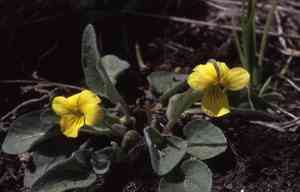
The optimal time for transplanting sagebrush violet spans from late winter's end to the onset of early summer's heat, which aids their settling. Select a location featuring soil that drains effectively, steering clear of depressions susceptible to excessive moisture. Helpful tip: Maintaining uniform soil conditions and providing dappled sunlight can enhance the likelihood of a successful transplant.
What Preparations are Needed Before Transplanting Sagebrush Violet?
What is the Ideal Time for Transplanting Sagebrush Violet?
Choose the period of nature's revival, primarily from early spring through its gentle conclusion, to relocate sagebrush violet. This places sagebrush violet in a season of rejuvenation, providing a favorable start with the perfect mix of mild temperatures and damp soil, fostering robust root growth. Utilize this time to firmly establish sagebrush violet, leveraging springtime's soft sun and nourishing rains, ensuring a strong base for abundant development.
How Much Space Should You Leave Between Sagebrush Violet Plants?
Let's provide your sagebrush violet with ample room to thrive! Target a spacing of approximately 6-10 inches (15-25 cm) apart. This grants each plant sufficient area to develop while being close enough to form a lovely, continuous bed.
What is the Best Soil Mix for Sagebrush Violet Transplanting?
Prior to planting your sagebrush violet, soil preparation is crucial! Well-draining soil enriched with compost or a balanced, slow-release fertilizer will create an ideal environment for your plants. A sandy loam or loamy soil typically performs best. Add some care, and your sagebrush violet will flourish!
Where Should You Relocate Your Sagebrush Violet?
Your sagebrush violet enjoys soaking up the sun but also appreciates some afternoon shade. Locate a spot that receives full to partial sun (4-6 hours daily), and your sagebrush violet will reward you with beautiful growth. Remember, morning sunlight is gentle and perfect for helping sagebrush violet adjust to their new location.
What Equipments Should You Prepare Before Transplantation Sagebrush Violet?
Gardening Gloves
To safeguard your hands when handling soil and the plant.
Shovel or Spade
For digging around and beneath the plant's root ball for extraction.
Garden Fork
To loosen the earth and assist in carefully lifting the plant.
Pruning Shears
To trim any dead or excess foliage prior to transplanting.
Watering Can or Hose with Sprayer
For hydrating the plant before and after removal and relocation.
Wheelbarrow or Garden Cart
For moving the excavated sagebrush violet plant to its new site.
Measuring Tape
To ensure correct spacing between new planting spots.
How Do You Remove Sagebrush Violet from the Soil?
How Do You Remove Sagebrush Violet from the Soil?
From Ground: First, moisten the sagebrush violet plant to soften the soil, making extraction simpler. Use a shovel or spade to dig a wide circle around the plant, ensuring the root ball remains intact. Once you've dug deep enough around the plant, slide the garden fork under the root ball and gently lift the sagebrush violet from the ground.From Pot: Water the soil in the container to facilitate the sagebrush violet's removal. Tilt the pot sideways and gently tap the bottom and sides to loosen the soil. Slide the sagebrush violet out of the pot while supporting the plant and root ball with your hands.From Seedling Tray: Water the seedling tray to prepare for relocation. Use a small tool like a fork or dibber to loosen the soil around the seedling. Carefully lift the sagebrush violet from the seedling tray, preserving as much of the root system as possible.
Step-by-Step Guide for Transplanting Sagebrush Violet
Acclimatization
Before relocating your sagebrush violet, it's advisable to gradually accustom the plant to its new environment over approximately one week.
Hole Preparation
Prepare the new planting site by digging a hole that is twice as wide and equally as deep as the sagebrush violet's root ball.
Plant Examination
Inspect the sagebrush violet plant's root ball and trim any broken or overly long roots.
Positioning
Place the sagebrush violet in the center of the hole, ensuring it is upright and at the same depth it was previously growing.
Refilling the Hole
Backfill the hole with the excavated soil, gently tamping around the plant to eliminate air pockets.
Watering
Thoroughly water the sagebrush violet after planting to help settle the soil and hydrate the roots.
How Do You Care For Sagebrush Violet After Transplanting?
Regular Watering
Provide consistent moisture for your sagebrush violet while preventing overwatering. This promotes the development of new roots.
Mulching
Apply a layer of organic mulch around the plant to help retain soil moisture and regulate soil temperature.
Monitoring
Observe the sagebrush violet's condition for signs of stress or pests and address them promptly.
Pruning
Remove dead or damaged stems to help the sagebrush violet direct energy into root and foliage development.
Troubleshooting Common Issues with Sagebrush Violet Transplantation.
Why is my sagebrush violet wilting after transplanting?
Wilting can occur due to transplant shock. Ensure roots were undamaged and that you're watering sufficiently but not excessively. Recovery should follow a few days of extra care.
How do I prevent root-bound sagebrush violet when transplanting?
Gently separate the roots before planting, and select a new spot that allows for growth. Avoid overly disturbing the root system to prevent stress.
What's the ideal time to transplant sagebrush violet?
The optimal period for relocating sagebrush violet is between early and late spring, when the plant is emerging from dormancy and the soil is workable.
How deeply should I plant sagebrush violet?
Plant sagebrush violet at the same depth it was in its previous container or ground. Ensure the crown is just at the soil surface to prevent rot.
How much space do I leave between sagebrush violet transplants?
Aim for a comfortable gap of about 6-10 inches (15-25 cm) between each sagebrush violet. This allows for adequate airflow and growth expansion.
How much should I water sagebrush violet after transplanting?
Water sagebrush violet generously immediately after transplanting to settle the soil, then maintain consistent moisture without over-saturating. Allow the soil to dry slightly between waterings.
Can I fertilize sagebrush violet after transplanting?
It's best to wait several weeks before applying fertilizer to avoid overwhelming the plant. Let sagebrush violet first adjust to its new location.
My sagebrush violet is not growing post-transplant, what's wrong?
Be patient, growth can be slow as sagebrush violet recovers from transplant shock. If it persists, check for proper sunlight, watering, and absence of pests or diseases.
How do I choose the right location for transplanting sagebrush violet?
Select a spot with the appropriate sunlight, soil type, and drainage that sagebrush violet prefers. Ensure it's protected from strong winds to minimize transplant shock.
How can I protect sagebrush violet after transplanting?
Shield sagebrush violet from intense sunlight and strong winds for the initial week or two. Mulch around the base to retain soil moisture and regulate temperature.



