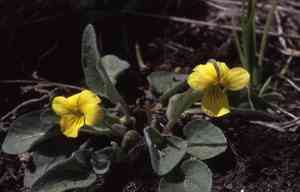
Sagebrush violet (Viola vallicola)
Also known as: Valley violet
Sagebrush violet (Viola trinervata) thrives in the moist meadows, foothills, and woodlands of the Pacific Northwest, especially in eastern Washington, eastern Oregon, and parts of Idaho. The flowers and leaves of this plant are edible, similar to other species in the Viola genus.
In This Article
Attributes of Sagebrush violet
Lifespan
Perennial
Plant Type
Herb
Plant Height
5 cm to 25 cm
Spread
15-30 cm
Leaf Color
Green
Flower Size
2-3 cm
Flower Color
Yellow Brown
Images of Sagebrush violet
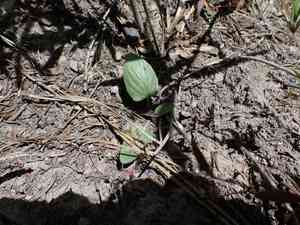
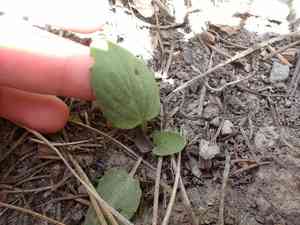
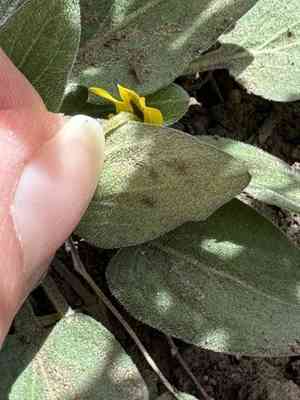
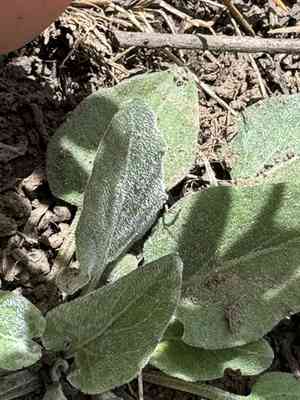
Quickly Identify Sagebrush violet
1
To identify Viola vallicola, look for heart-shaped leaves at the base, roughly 1.5-2.5 cm in length. The flowers are typically bright yellow with purple streaks and stand on long, slender stems. The plant often forms small clumps.
Scientific Classification of Sagebrush violet
Phylum
Vascular plants
Class
Dicotyledons
Order
Malpighiales
Family
Violet
Genus
Violets
Species
Sagebrush violet
Planting and Growing of Sagebrush violet
Care Difficulty
Easy
Watering Schedule
Every 2 days
Sunlight Requirements
Partial sun
Sunshine Duration
4-8 hours
Ideal Temperature
60-70℉
Soil Type
Potting Mix, Peat Mix
Soil pH
6-7.5
Fertilizer Type
Balanced
Pruning Season
Spring, Summer
Pruning Area
Branches, Leaves
Pruning Frequency
2 times a year
Repotting Season
Spring
Pot Type
Plastic, Ceramic
 How to Water Sagebrush violet?
Viola vallicola should be watered with about 250 milliliters each time, ensuring that the soil is evenly moist but not waterlogged. This amount helps maintain the delicate balance roots need to absorb nutrients effectively while avoiding root rot.
What are the symptoms of an underwatered Sagebrush violet?
›
What should I do if my Sagebrush violet is not getting enough water?
›
What are the symptoms of an overwatered Sagebrush violet?
›
How to save an overwatered Sagebrush violet?
›
 What Are the Sunlight Requirements for Sagebrush violet?
Viola vallicola flourishes in partial sun, favoring a mix of sun and shade. Ideal lighting promotes lush blooms, vibrant foliage, and enhances overall vitality.
More About Sunlight Requirements Techniques→
Optimal Light Level
›
Solution to Achieve Ideal Lighting
›
Benefits of Ideal Light Exposure
›
 What Is the Ideal Temperature Range for Sagebrush violet?
For the optimal growth of Viola vallicola, maintaining a temperature range between 60°F and 70°F is crucial. This range supports photosynthesis and essential metabolic functions, allowing the plant to thrive. Any deviation might impact its growth adversely.
 What Soil is Best for Sagebrush violet?
Viola vallicola thrives in well-draining soil, allowing water to flow easily and preventing root rot. This type of soil ensures adequate aeration, reducing the risk of fungal infections and promoting healthy root development. A nutrient-rich medium with organic matter boosts Viola vallicola's growth and blooming potential. Organic components like compost enrich the soil, providing essential nutrients for robust stem and leaf development. While well-drained, the soil should retain enough moisture to sustain the plant between waterings. This balance supports consistent moisture availability, crucial for the plant’s metabolic processes and hydration needs.
 How to Fertilize Sagebrush violet?
For Viola vallicola, apply liquid fertilizer at half the recommended strength to prevent nutrient burn. Use approximately 1 tablespoon of liquid fertilizer per gallon of water, each session providing just enough to moisten the soil without waterlogging.
 How to Prune Sagebrush violet?
Begin by cutting away any dead, damaged, or diseased leaves and stems. This helps prevent the spread of diseases and allows the plant to focus its energy on healthy growth. Carefully trim back any excessively long or unruly stems to maintain a tidy shape. This encourages fuller growth and can lead to more vibrant blooms. Thin out crowded areas by removing some stems to improve air circulation within the plant. This prevents the environment that fosters fungal infections and keeps foliage healthy.
More About Pruning Techniques→
 How to Propagate Sagebrush violet plant?
1
Collect seeds from a mature Viola vallicola plant in autumn. Clean and dry them thoroughly before storing them in a cool, dry place until ready to plant in spring.
2
In spring, sow the seeds in a seed tray filled with a well-draining, sterile potting mix. Lightly cover the seeds and water gently to ensure the soil is moist but not waterlogged.
3
During early summer, dig up a mature plant and carefully separate it into smaller clumps. Each clump should have a good root system and some healthy foliage. Replant immediately at the same depth they were growing before, water thoroughly.
 How to Repot Sagebrush violet plant?
1
Viola vallicola signifies the need for repotting when it begins to outgrow its current pot, indicated by roots emerging from the drainage holes or the soil drying out exceptionally fast after watering. The best times to repot are during Spring and Autumn, when the plant will experience minimal shock and can easily settle into its new home.
2
Selecting the right pot for Viola vallicola involves choosing one that is slightly larger than the current pot, has ample drainage holes, and is made from breathable material like ceramic or terracotta. A properly sized pot ensures that the root system has enough space to expand without overwhelming the plant, aiding in optimal growth and health.
3
The ideal soil for repotting Viola vallicola is a well-draining potting mix that balances moisture retention and aeration. This type of soil provides essential nutrients, keeps the roots from becoming waterlogged, and promotes robust plant health and development.
Learn More About Sagebrush violet Diseases
Anthracnose
Bacterial Leaf Spot
Crown Gall
Cyst Nematode
Damping-off
Downy Mildew
Drought Stress
Fusarium Wilt
Gray Mold
Leaf Curl
Leaf Spot
Mosaic
Nutrient Deficiency
Nutrient Toxicity
Powdery Mildew
Root Rot
Root-knot Nematode
Rusts
Sooty Mold
Spider Mites
Temperature Stress
Thrips Damage
White Mold



