How to Prune Sagebrush violet?
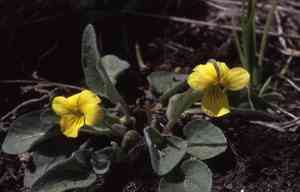
Sagebrush violet, a small perennial recognized for its violet blossoms, flourishes with infrequent trimming. Remove faded flowers post-bloom to foster a tidier look and possibly a subsequent flowering. Lightly cut back in spring to stimulate robust new development. Refrain from extensive pruning, as this variety recuperates gradually. Trimming during spring and summer corresponds with the plant's developmental rhythm and seasonal patterns. Advantages of pruning encompass invigorated growth, regulated form, and diminished susceptibility to ailments.
What Are the Benefits of Pruning Sagebrush Violet?
What Are the Benefits of Pruning Sagebrush Violet?
Trimming sagebrush violet promotes robust development and maintains its desired form. Regular cutting eliminates dead or overgrown branches, fostering healthier foliage and structure, while also preventing the plant from becoming overly dense or misshapen.
What Is the Best Time for Pruning Sagebrush Violet?
What Is the Best Time for Pruning Sagebrush Violet?
Pruning sagebrush violet from late spring to early summer aligns with its post-flowering period, enabling gardeners to shape the plant and remove faded blooms without hindering the following year's growth. Trimming at this time supports sagebrush violet's natural life cycle, as it enters an active growth phase and can recover from cuts more effectively. It also prepares sagebrush violet for the next flowering cycle by encouraging new growth and helps prevent disease by improving air circulation within the foliage.
What Tools Do I Need to Prune Sagebrush Violet?
Bypass Pruners
Perfect for making precise cuts on sagebrush violet, bypass pruners are effective because they create a clean incision without crushing the delicate stems.
Snips or Micro-Tip Pruning Snips
Ideal for deadheading or trimming small stems on sagebrush violet, requiring accuracy to avoid harming the rest of the plant.
Garden Scissors
Suitable for thinning out dense foliage of sagebrush violet, garden scissors can be utilized for detailed shaping and maintaining plant vitality.
How to Prune Sagebrush Violet
Clean tools
Before beginning the pruning process, sanitize the pruning shears or scissors to prevent the spread of diseases to sagebrush violet. Clean the blades using rubbing alcohol or a bleach solution.
Remove diseased leaves
Using the sterilized shears, carefully cut away any leaves on sagebrush violet that show signs of illness. Ensure the cut is clean and try not to damage nearby healthy tissue.
Remove withered leaves
Identify and trim away withered or old leaves to encourage new growth on sagebrush violet. Make sure to cut close to the base of the leaf without harming the main stem or adjacent new leaves.
Prune diseased stems
Examine sagebrush violet for any stems that are diseased. Prune these stems back to healthy tissue to prevent the disease from spreading. If the entire stem is affected, remove it at the base.
Cleanup
Collect and dispose of all the pruned material away from sagebrush violet to reduce the risk of disease reinfection. Ensure the area around the plant is clean, which will help promote healthy growth.
Common Pruning Mistakes with Sagebrush Violet
Over pruning
Removing too much foliage which can stress sagebrush violet, leading to poor growth or reduced flowering.
Imprecise cuts
Making jagged or torn cuts can create entry points for pests or diseases, harming the health of sagebrush violet.
Neglecting tool hygiene
Using dirty pruning tools can spread diseases between plants and negatively affect sagebrush violet's health.
Pruning without plan
Cutting sagebrush violet without a clear goal can result in an unbalanced shape and might inhibit potential blooms.
Ignoring damaged limbs
Failing to remove dead or diseased limbs that can waste sagebrush violet's resources and detract from its overall health.
Common Pruning Tips for Sagebrush Violet
Sharp tools
Use sharp and clean pruning shears to make clean cuts that will heal quickly and minimize stress to sagebrush violet.
Selective pruning
Identify and selectively remove only the dead, damaged, or overgrown parts of sagebrush violet to maintain plant health and shape.
Growth direction
Prune just above a leaf node where the cut will encourage growth in the desired direction, enhancing the appearance of sagebrush violet.
Rejuvenation
If sagebrush violet looks overgrown or has sparse flowering, consider a harder prune to rejuvenate the plant and stimulate new growth.
Post-bloom care
Immediately after flowering, lightly prune sagebrush violet to shape it and remove spent blooms, which can encourage a tidier growth habit and potentially more flowers.



