How to Transplant Three-part violet?
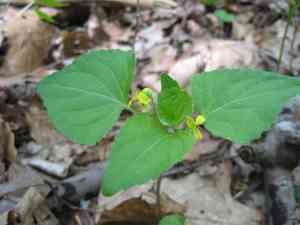
Three-part violet flourishes most effectively when relocated in the peak growing periodâfrom late spring through mid-summer. To achieve the best development, select a shaded, damp spot. Should it be required, provide ample watering post-transplant to guarantee proper rooting.
What Preparations are Needed Before Transplanting Three-part Violet?
What is the Ideal Time for Transplanting Three-part Violet?
Three-part violet, a perennial, thrives best when moved in late spring to early summer. This period offers warmer soil, aiding root establishment and lessening transplant shock. The extended daylight promotes vigorous growth, ensuring the plant is well-settled before colder months. Timing the transplant during this window maximizes survival and healthy development.
How Much Space Should You Leave Between Three-part Violet Plants?
For three-part violet, position each plant 6-12 inches (15-30 cm) apart. This provides ample room for growth without crowding, ensuring robust development and easy access for watering and upkeep.
What is the Best Soil Mix for Three-part Violet Transplanting?
Prepare well-draining soil rich in organic material for three-part violet. A blend of garden soil, compost, and a slow-release base fertilizer will yield excellent results. Aim for slightly acidic to neutral pH levels.
Where Should You Relocate Your Three-part Violet?
Three-part violet flourishes in partial to full shade. Select a spot that receives filtered sunlight throughout the day, shielding them from intense, direct midday sun to prevent leaf burn and encourage lush growth.
What Equipments Should You Prepare Before Transplantation Three-part Violet?
Gardening Gloves
To safeguard your hands while handling soil and plants.
Shovel or Spade
To excavate the plant from its original spot and to prepare the new planting hole.
Trowel
For more precise digging tasks and to assist in gently lifting the plant's root ball from the soil.
Watering Can or Hose
To hydrate the plant before and after its relocation.
Garden Fork
To carefully loosen the soil around the root ball (especially when dealing with compacted earth).
Mulch
To help maintain soil moisture after the transplanting process.
Stakes and Garden Twine
To offer support if the plant is tall or has a weak stem.
How Do You Remove Three-part Violet from the Soil?
How Do You Remove Three-part Violet from the Soil?
From Ground: First, water the three-part violet plant to moisten the soil. Then, dig a wide trench around the plant using a shovel or spade, ensuring the plant's root ball remains intact. Carefully work the spade under the root ball to lift the plant from its original location.From Pot: Water the three-part violet plant a few hours before transplanting to make the soil easier to manage. Gently turn the pot on its side and tap the exterior to loosen the soil. Carefully slide the plant out, supporting the root ball with your hand.From Seedling Tray: Water the seedlings beforehand. Gently loosen the soil around the three-part violet seedlings using a trowel or your fingers. Hold the seedlings by their leaves, not the stems, to avoid damage, and carefully lift them out, ensuring the root ball stays intact.
Step-by-Step Guide for Transplanting Three-part Violet
Preparation of New Site
Ensure the new planting spot is ready before extracting the three-part violet plant from its initial position. The hole should be twice as wide and the same depth as the root ball to allow for root expansion.
Placing the Plant
Position the three-part violet plant into the hole, ensuring it sits at the same depth as it was in its previous spot. Backfill the hole with soil, gently firming it around the root ball to eliminate air pockets.
Watering
Immediately water the newly transplanted three-part violet thoroughly to help settle the soil around the roots and reduce transplant shock.
Applying Mulch
Add a layer of mulch around the base of the three-part violet plant to help retain soil moisture and regulate temperature. Keep the mulch a few inches away from the plant stem to prevent rot.
Providing Support
If the three-part violet plant is tall or has a weaker stem, use stakes and garden twine to provide support and keep the plant upright during establishment.
How Do You Care For Three-part Violet After Transplanting?
Watering
Keep the soil around the three-part violet consistently moist, but not waterlogged, for the first few weeks after transplanting to help establish strong roots.
Mulching
Check the mulch regularly to ensure it is retaining moisture and preventing weeds. Replace or replenish mulch as needed.
Monitoring
Regularly inspect the three-part violet plant for signs of stress or pests and address any issues promptly.
Fertilizing
Avoid fertilizing immediately after transplanting as it can stress the plant. Wait until the three-part violet is well-established before applying any fertilizer.
Troubleshooting Common Issues with Three-part Violet Transplantation.
When is the best time to transplant three-part violet?
Late spring to mid-summer is ideal for relocating three-part violet to ensure proper root establishment.
How should I prepare the soil before transplanting three-part violet?
Loosen the soil and incorporate organic matter to ensure good drainage and nutrient availability.
What spacing should I consider when transplanting three-part violet?
Space the plants 6-12 inches (15-30 cm) apart to promote healthy growth and prevent overcrowding.
How do I minimize transplant shock for three-part violet?
Water the plant thoroughly before and after transplanting to reduce stress and help roots establish.
Should I prune three-part violet during transplanting?
Prune any damaged or diseased parts before transplanting to encourage healthy new growth.
What is the correct depth for planting three-part violet?
Plant three-part violet at the same depth it was growing previously to avoid burying the crown.
How can I ensure three-part violet roots settle well in new soil?
Gently spread the roots out in the hole, backfill with soil, and press firmly to eliminate air pockets.
How often should I water three-part violet after transplanting?
Water regularly to keep the soil consistently moist but not waterlogged for the first few weeks.
Can I fertilize three-part violet immediately after transplanting?
Avoid fertilizing immediately; wait a few weeks to prevent root burn and allow acclimatization.
What should I do if three-part violet looks wilted after transplanting?
Provide shade temporarily and keep the soil moist to help the plant recover from transplant shock.



