How to Propagate Three-part violet?
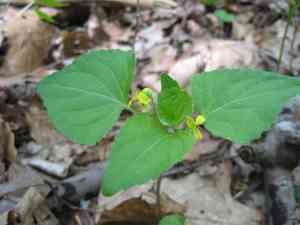
Viola tricolor, a herbaceous perennial, thrives in shaded forest environments. To successfully propagate this plant, plant seeds in a soil blend that drains effectively and ensure continuous dampness. Abrade the seed coats to encourage sprouting. Keep the soil's top layer settled and position the pot in filtered light. Sprouting may take time, so perseverance is essential. Incorporating indigenous leaf debris can replicate its natural habitat and yield superior outcomes.
When Is the Optimal Time to Propagate Three-part Violet?
Propagation Method
Seeding
Propagation Period
Spring
What Tools Are Utilized in Three-part Violet Propagation?
Seed Trays
Seed trays are vital for planting three-part violet seeds. They offer a controlled setting for seeds to sprout and develop until ready for transplant. Trays should have good drainage to prevent water accumulation.
Seed Starting Mix
A premium seed starting mix is essential for successful three-part violet germination. This sterile, light medium provides the correct moisture and air balance, fostering robust root growth.
Humidity Domes
Humidity domes help maintain the necessary moisture levels for successful three-part violet seed germination. This aids in replicating the damp environment seeds require for optimal development.
Watering Can with Fine Rose
A watering can with a fine rose is perfect for gently irrigating three-part violet seed trays. It ensures seeds are not displaced or disturbed during watering, preserving the integrity of the planting.
Labeling Stakes
Labeling stakes assist in tracking three-part violet within seed trays. This is crucial for monitoring germination and growth, especially when propagating multiple species simultaneously.
Seed Heating Mat
A seed heating mat can provide consistent warmth to three-part violet seed trays, which can accelerate germination and ensure uniform growth, particularly in colder climates or seasons.
Spray Bottle
A spray bottle can be used to lightly mist the soil, providing the ideal amount of moisture for three-part violet without causing waterlogging or washing away seeds.
How to Propagate Three-part Violet?
Propagation Difficulty
Simple
How to Care for Your Newly Propagated Three-part Violet?
How to Care for Your Newly Propagated Three-part Violet?
Post-transplantation, position the young three-part violet plants in a spot with partial to full shade, as they prefer cooler, shaded conditions. Water consistently to keep the soil moist but not saturated, and add a thin layer of mulch to retain moisture. Check for pests and diseases, and remove any affected foliage promptly. Fertilize sparingly with a balanced, organic fertilizer to encourage healthy development. As the plants mature, ensure they are not overcrowded, as this can lead to poor air circulation and potential fungal issues. Regularly inspect the plants to ensure they remain in peak health.
Common Errors to Avoid When Propagating Three-part Violet
Overwatering
Excessive moisture can cause root rot, hindering plant development.
Using Poor Soil
Unsuitable soil can restrict root growth and nutrient absorption.
Neglecting Light Requirements
Insufficient light can impede photosynthesis and stunt growth.
Incorrect Planting Depth
Planting too deep or too shallow can hinder root establishment.
Failure to Manage Pests
Ignoring pest problems can harm the plant and reduce propagation success.
Tips For Propagating Three-part Violet
Well-Draining Soil
Utilize a soil mix that allows for adequate drainage to prevent water accumulation.
Moderate Watering
Water sparingly to keep the soil moist but not drenched, avoiding root rot.
Proper Light Exposure
Ensure three-part violet receives ample indirect sunlight for healthy growth.
Correct Planting Depth
Plant three-part violet at a depth where the crown is at soil level for optimal root establishment.
Monitor Pests
Regularly check for and manage pests to prevent damage and ensure healthy propagation.



