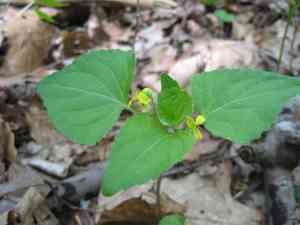
Three-part violet (Viola tripartita)
Also known as: Three-parted Violet, Threepart Violet
The three-part violet is a delightful perennial herb known for its unique three-lobed leaves. It flourishes in shaded, damp forest areas with rich, loamy soil. Blooming in the spring, its delicate purple flowers attract various pollinators. The plant's slender stems and heart-shaped leaves seamlessly integrate into its woodland surroundings, adding to the natural beauty of the forest understory.
In This Article
Attributes of Three-part violet
Lifespan
Perennial
Plant Type
Herb
Plant Height
10-20 cm
Spread
15-30 cm
Leaf Color
Green
Flower Size
2-3 cm
Flower Color
Purple, Violet
Images of Three-part violet
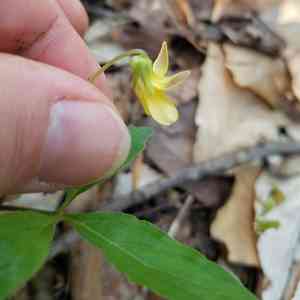
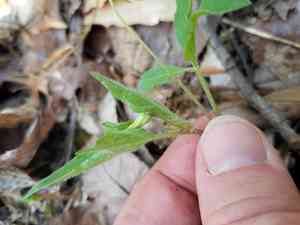
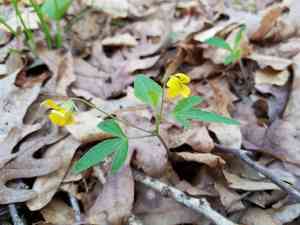
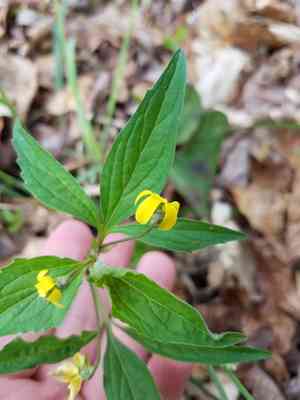
Quickly Identify Three-part violet
1
Viola tripartita can be identified by its three-lobed leaves, delicate purple flowers, and the plant\'s preference for moist, shaded areas. The flowers typically have five petals, with the lower petal being prominently veined.
Scientific Classification of Three-part violet
Phylum
Vascular plants
Class
Dicotyledons
Order
Malpighiales
Family
Violet
Genus
Violets
Species
Three-part violet
Planting and Growing of Three-part violet
Care Difficulty
Moderate
Watering Schedule
Every 3 days
Sunlight Requirements
Partial sun
Sunshine Duration
6-8 hours
Ideal Temperature
60-75℉
Soil Type
Potting Mix, Peat Mix
Soil pH
6.5-7.5
Fertilizer Type
Balanced
Pruning Season
Spring, Summer
Pruning Area
Branches, Leaves
Pruning Frequency
2 times a year
Repotting Season
Spring
Pot Type
Plastic, Ceramic
 How to Water Three-part violet?
The water amount for Viola tripartita should ensure that the soil is consistently moist but not waterlogged. This usually means about 150 milliliters per watering session, allowing the excess to slightly drain out to prevent root rot.
What are the symptoms of an underwatered Three-part violet?
›
What should I do if my Three-part violet is not getting enough water?
›
What are the symptoms of an overwatered Three-part violet?
›
How to save an overwatered Three-part violet?
›
 What Are the Sunlight Requirements for Three-part violet?
Viola tripartita prefers partial sun to full shade. Such conditions replicate its natural forest habitat, promoting strong foliage, flowering, and resistance to environmental stressors.
Should Viola tripartita receive direct sunlight?
›
What kind of lighting supports its growth?
›
How can I ensure ideal light conditions?
›
 What Is the Ideal Temperature Range for Three-part violet?
Viola tripartita thrives best under temperatures ranging from 60°F to 75°F. This range ensures optimal metabolic and photosynthetic activities, helping the plant flourish. It's important to maintain this range for sustained growth during its active months.
 What Soil is Best for Three-part violet?
Viola tripartita thrives in well-drained soil which prevents waterlogging. This is crucial for preventing root rot and other fungal diseases, ensuring the plant stays healthy and vibrant. A nutrient-rich soil provides essential minerals that support growth and flowering. For Viola tripartita, this means richer blooms and lush foliage throughout its growing season. Maintaining consistent soil moisture is critical for Viola tripartita. This prevents stress caused by drying out, allowing for continuous growth and development.
 How to Fertilize Three-part violet?
For Viola tripartita, applying too much fertilizer can create an unhealthy environment. A modest amount, such as a quarter-strength liquid fertilizer, is ideal for every feeding. Overapplication can lead to root burn and inhibit the plant's growth.
 How to Prune Three-part violet?
Monitor for signs of stress or disease post-pruning. Early detection is critical, ensuring intervention can occur swiftly to protect the plant. Avoid pruning during extreme weather conditions. High heat or cold can stress the plant further after the removal of parts of its structure. Always consider pruning during cooler parts of the day, such as morning or late afternoon, to minimize water loss and stress. While the benefits are numerous, over-pruning can be detrimental. Aim to remove no more than a quarter of the plant at any one time. Post-pruning, regular inspections can help determine if further trimming might be necessary to combat any issues like pest infestations or undesirable growth.
More About Pruning Techniques→
 How to Propagate Three-part violet plant?
1
Harvest seeds once the seed pods have matured and dried on the plant. Ensure seeds are completely dry before storing them for propagation.
2
Mix a well-draining potting soil. Ensure the soil is moist but not waterlogged to facilitate seed germination and root establishment.
3
Carefully dig up the plant and use a knife to separate healthy sections that include foliage and roots. Replant these immediately into prepared sites.
 How to Repot Three-part violet plant?
1
Viola tripartita should be repotted when you notice root-bound symptoms such as roots growing out of drainage holes or a decrease in plant vigor.
2
Choose a pot that is one size larger than the current one with good drainage holes to prevent waterlogging and encourage healthy root growth.
3
Opt for a rich, well-draining soil mix enriched with organic matter to provide essential nutrients and prevent water stagnation.



