How to Transplant Black swallow-wort?
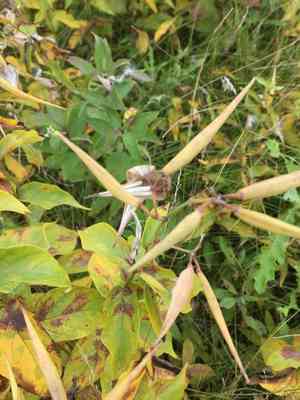
The most favorable period for relocating black swallow-wort is the mild interval from late spring to early summer, allowing its root system to establish prior to colder temperatures. Select a location bathed in sunlight with soil that drains effectively. A helpful suggestion: provide black swallow-wort ample room, as it flourishes without restriction.
What Preparations are Needed Before Transplanting Black Swallow-wort?
What is the Ideal Time for Transplanting Black Swallow-wort?
The optimal period for relocating black swallow-wort is when spring's peak transitions into the warmth of early summer. This timeframe provides an excellent combination of mild temperatures and adequately warmed soil, promoting root establishment without the stress of intense mid-summer heat. Moving black swallow-wort during this window maximizes root development and plant vitality, ensuring a robust system prepared for vigorous summer growth.
How Much Space Should You Leave Between Black Swallow-wort Plants?
For black swallow-wort, aim for a spacing of approximately 1-2 feet (30.5-61 cm) between each plant. This allows ample room for root expansion and the plant's full maturation without crowding adjacent specimens.
What is the Best Soil Mix for Black Swallow-wort Transplanting?
Black swallow-wort prefers soil that drains well and is fertile. Incorporate a foundational layer of organic compost into the soil one week prior to transplantation. This enriches the soil, making it highly beneficial for black swallow-wort's post-transplant growth.
Where Should You Relocate Your Black Swallow-wort?
Black swallow-wort thrives in full to partial sunlight. Select a spot that receives 6-8 hours of sun daily. Partial shade is acceptable, but ensure sufficient light for black swallow-wort to photosynthesize and flourish beautifully.
What Equipments Should You Prepare Before Transplantation Black Swallow-wort?
Gardening Gloves
To safeguard your hands from any thorns or sharp root structures of the black swallow-wort during the excavation process.
Shovel/Spade
For digging up the soil surrounding the black swallow-wort to facilitate its removal.
Trowel
Used for excavating a suitable hole at the new location for transplanting the black swallow-wort.
Garden Hose or Watering Can
For supplying essential moisture to the soil and black swallow-wort during and after the transplanting procedure.
Wheelbarrow
Useful for moving the black swallow-wort from its initial position to the new planting site.
How Do You Remove Black Swallow-wort from the Soil?
How Do You Remove Black Swallow-wort from the Soil?
From Ground: Start by watering the black swallow-wort to soften the surrounding soil. Using a shovel/spade, begin digging a wide circle around the black swallow-wort, taking care to keep the plant's root ball intact. Gradually work the spade beneath the root ball to carefully lift the plant from its original spot.From Pot: Lightly water the black swallow-wort to loosen its root system. Tilt the pot from side to side, gently pulling the plant at its base until it slowly emerges with its roots and soil.From Seedling Tray: Water the tray, then gently hold the black swallow-wort by its stem base. With your other hand, push up the bottom of the seedling cell to remove the plant, soil, and roots together.
Step-by-Step Guide for Transplanting Black Swallow-wort
Preparation
Prepare the new site with adequate space for the black swallow-wort to grow and develop properly. Dig a hole with the trowel that is sufficiently large for the black swallow-wort's root ball.
Planting
Gently place the black swallow-wort into the hole. Backfill with soil, ensuring the black swallow-wort is positioned at the same depth as its original location. Be careful not to plant the black swallow-wort too deeply or too shallowly.
Watering
Thoroughly water the black swallow-wort using a garden hose or watering can. Moisten the area around the plant to ensure the root ball is wet and the soil settles around it.
How Do You Care For Black Swallow-wort After Transplanting?
Monitoring
Observe the black swallow-wort closely for several weeks following transplantation. Watch for any indications of stress, such as wilting, yellowing, or dropped leaves.
Watering
Ensure the black swallow-wort receives sufficient water but avoid over-watering, which can lead to root rot.
Pruning
Prune the black swallow-wort as necessary. Remove any dead or diseased parts of the plant to encourage healthier growth.
Protection
Shield the black swallow-wort from harsh weather conditions and damaging pests.
Troubleshooting Common Issues with Black Swallow-wort Transplantation.
When is the best time to transplant black swallow-wort?
The optimal period for transplanting is between late summer and early autumn (S3-S5), when black swallow-wort is at its peak vitality.
What's the ideal space to leave between black swallow-wort when planting?
For optimal growth, ensure black swallow-wort is spaced approximately 1-2 feet or 30-60 cm apart. This provides room for growth and reduces competition for resources.
Will black swallow-wort survive if the roots are damaged during transplantation?
Black swallow-wort is quite resilient, but try to prevent significant root damage. Gentle and careful handling during the transplanting process aids the plant's survival and growth.
What kind of soil is best for transplanting black swallow-wort?
Black swallow-wort thrives in well-drained, fertile soil. Enrich your ground with organic matter before planting to boost nutrient content and improve soil structure.
How often should I water the black swallow-wort after transplanting?
Immediately after transplanting, ensure the soil is thoroughly wet. Subsequently, water deeply once every 3-5 days; the soil surface should dry out between waterings.
What's the best technique to transplant black swallow-wort?
Dig a hole twice the root ball's diameter, place the plant, fill half the hole with soil, water, then fill the hole until level with the soil surface.
How do I know if the black swallow-wort is ready to move to a larger pot?
When roots begin to circle the bottom or emerge from the drainage holes, it indicates your black swallow-wort is prepared for a larger pot.
Is black swallow-wort transplant shock common, and how to minimize it?
Transplant shock can occur but is lessened by consistent watering, careful handling, and optionally using a transplant shock-reducing product at planting time.
How deep should the hole be when transplanting my black swallow-wort?
The hole should be just deep enough so that the plant sits at or slightly below the ground's surface. This is typically about 6-8 inches or approximately 15-20 cm.
Is it necessary to prune black swallow-wort when transplanting?
Pruning isn't always essential but can help reduce transplant shock by balancing the top growth with the root system. Remove broken, diseased, or excessively long roots.



