How to Prune Black swallow-wort?
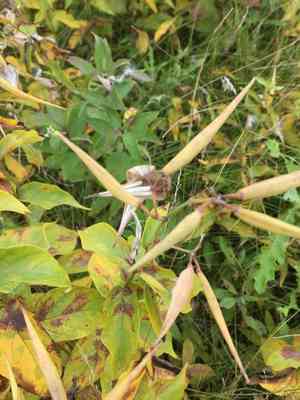
A robust perennial climbing plant featuring dark purple pods, black swallow-wort has the potential to dominate cultivated areas if left unchecked. Trim in the spring or early summer, prior to the development of seed pods, to regulate its expansion and inhibit seed dispersal. Sever stalks at the soil surface or extract complete root structures to curtail its proliferation. Consistent trimming enhances air movement and diminishes the likelihood of ailments, which is essential for preserving the plant's well-being. Proper disposal of severed parts is imperative to avert unintended reproduction.
What Are the Benefits of Pruning Black Swallow-wort?
What Are the Benefits of Pruning Black Swallow-wort?
Trimming black swallow-wort is essential for encouraging robust new development and maintaining a desired form. Strategic cutting back manages spread and directs energy to healthier shoots.
What Is the Best Time for Pruning Black Swallow-wort?
What Is the Best Time for Pruning Black Swallow-wort?
Late spring and early summer are ideal for pruning black swallow-wort, as these times coincide with the plant's growth surge after dormancy. Pruning in late spring prompts the plant to channel energy into producing fresh, healthy growth instead of sustaining old or potentially diseased tissues. By early summer, black swallow-wort typically enters its active growth phase, making it easier to shape and control its spread before it forms seed pods that could lead to further propagation. Addressing black swallow-wort before it flowers and sets seed is also crucial for preventing unwanted spread, given its invasive nature. Trimming during these recommended seasons helps maintain the plant's health and appearance while minimizing its invasive potential.
What Tools Do I Need to Prune Black Swallow-wort?
Hand Pruners
Perfect for cutting the slender stems of black swallow-wort, offering precision and avoiding unnecessary plant damage.
Garden Gloves
Crucial for protecting hands from the potentially irritating sap of black swallow-wort during the pruning process.
Loppers
Useful for reaching deeper into dense black swallow-wort patches and cutting stems too thick for hand pruners.
Pruning Saw
Helpful for removing larger stems or branches of black swallow-wort that loppers cannot manage, ensuring clean cuts for healthy regrowth.
Trash Bags
Necessary for immediate disposal of black swallow-wort cuttings, preventing any chance of propagation as black swallow-wort can be invasive.
How to Prune Black Swallow-wort
Select Old Stems
Identify and mark the older stems of black swallow-wort that are no longer producing vigorous growth or are too crowded. These are typically thicker, woodier, and have fewer leaves than newer, greener stems.
Sterilize Tools
Before pruning, sanitize your pruning tools with rubbing alcohol or a 10% bleach solution to prevent the spread of disease to black swallow-wort.
Cut Old Stems
Using sharp, clean pruning shears, cut the identified old stems of black swallow-wort at a 45-degree angle, about 1/4 inch above a healthy bud or branching point to encourage new growth.
Remove Withered Shoots
Inspect black swallow-wort for any withered, yellow, or dead shoots. These can be removed by cutting them back to their origin or to the nearest healthy set of leaves.
Dispose Trimmed Material
Collect and properly dispose of all trimmed material from black swallow-wort to reduce the risk of disease and pest infestation. Do not compost if black swallow-wort shows signs of disease.
Common Pruning Mistakes with Black Swallow-wort
Over Pruning
Removing too much foliage from black swallow-wort can stress the plant, leading to reduced vigor and flowering. Avoid cutting more than a third of the plant at once.
Improper Cut Placement
Cutting too far from a node or into the main stems of black swallow-wort can create slow-healing wounds and invite disease. Pruning cuts should be made just above nodes for healthy regrowth.
Using Dull Tools
Dull pruning tools can cause jagged cuts or crushed stems, harming black swallow-wort and making it more susceptible to pests and diseases. Always use sharp, clean tools for clean cuts.
Neglecting To Prune
Failing to prune black swallow-wort can result in an overgrown, untidy growth habit, hindering airflow and sunlight penetration, which are vital for the plant's health.
Ignoring Diseased Material
Not promptly removing diseased, damaged, or dead material from black swallow-wort during pruning can allow problems to persist and spread, negatively affecting the plant's overall health.
Common Pruning Tips for Black Swallow-wort
Selective Pruning
Target specific areas of black swallow-wort for pruning to shape the plant, encourage new growth, and maintain plant health. Focus on removing dead or diseased branches, and thinning dense areas to improve airflow.
Cutting Technique
Make angled cuts just above a node or a set of leaves when pruning black swallow-wort, ensuring the angle slopes away from the bud to prevent water from collecting and causing rot.
Clean Pruning Equipment
Before and after pruning black swallow-wort, disinfect pruning tools with a solution of one part bleach to nine parts water or rubbing alcohol to help prevent the spread of plant diseases.
Timing Pruning Sessions
While the exact season is excluded, understanding the growth habits of black swallow-wort is vital. Aim for the period after it has flowered or when it's in a phase of dormancy according to its unique growth cycle.
Proper Disposal
Black swallow-wort is a species with aggressive growth habits, so it's imperative to dispose of the pruned material responsibly. Do not compost; instead, bag the trimmings and discard them with household waste to prevent unintended propagation.



