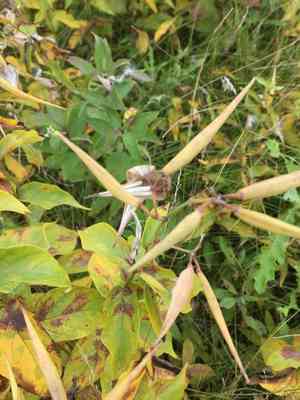
Black swallow-wort (Vincetoxicum nigrum)
Also known as: Black dog-strangling vine, Black swallowwort, Climbing poison
Kudzu (Pueraria montana) is an invasive perennial vine flourishing in sunny open spaces. This vine establishes dense colonies, displacing native vegetation and threatening natural ecosystems. Kudzu propagates vigorously through an extensive root system and seeds dispersed by the wind.
Attributes of Black swallow-wort
Images of Black swallow-wort
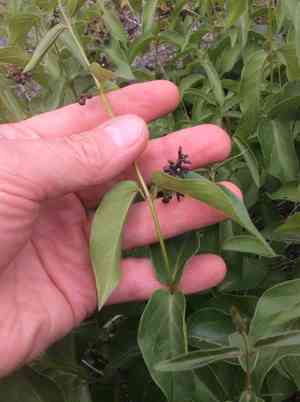
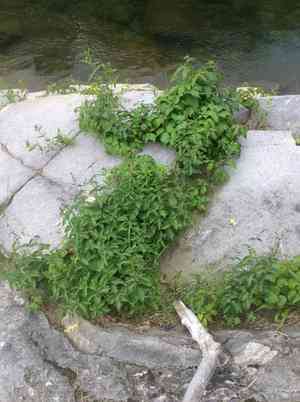
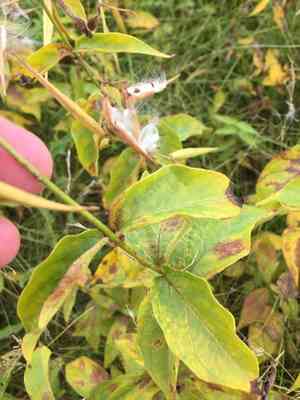
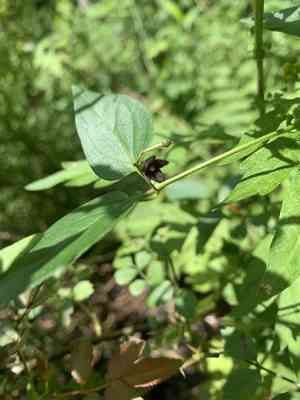
Quickly Identify Black swallow-wort
Scientific Classification of Black swallow-wort
Planting and Growing of Black swallow-wort
 How to Water Black swallow-wort?
 What Are the Sunlight Requirements for Black swallow-wort?
 What Is the Ideal Temperature Range for Black swallow-wort?
 What Soil is Best for Black swallow-wort?
 How to Fertilize Black swallow-wort?
 How to Prune Black swallow-wort?
 How to Propagate Black swallow-wort plant?
 How to Repot Black swallow-wort plant?
Toxicity of Black swallow-wort
Is Black swallow-wort toxic to humans?
The black swallow-wort possesses toxic characteristics that may lead to adverse effects in humans upon ingestion of the plant. Various parts of the plant, especially the roots, are considered toxic due to the presence of a harmful alkaloid known as vincetoxin.
Is Black swallow-wort toxic to cat?
Black swallow-wort exhibits a mild level of toxicity to cats. If felines consume substantial amounts of any part of this plant, they may encounter various health issues. The signs of poisoning typically manifest as indications of physical distress or sickness, although these symptoms might not become evident right away unless a large quantity of the plant has been ingested. Given the potential dangers, it is crucial for cat owners to vigilantly observe their pets and seek prompt veterinary assistance if they believe their cat has consumed black swallow-wort. Receiving timely medical care is vital for reducing the risks associated with the toxins found in this plant.
Is Black swallow-wort toxic to dog?
Black swallow-wort presents a modest toxicity risk to dogs. Canines can suffer from poisoning after ingesting this plant in significant quantities. Every part of black swallow-wort is toxic; therefore, consuming any part, be it leaves, stems, flowers, or seeds, may potentially lead to poisoning. The symptoms of poisoning can vary but may include gastrointestinal distress such as vomiting and diarrhea. Given the inherent risks associated with this plant, dog owners should remain alert and prevent their pets from entering areas where black swallow-wort is present. If a dog is suspected of having consumed black swallow-wort, it is essential for the owner to swiftly seek assistance at a veterinary clinic to safeguard the health and well-being of their pet.



