How to Transplant Intermediate periwinkle?
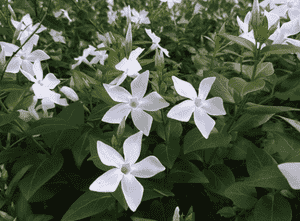
For intermediate periwinkle, the ideal period for relocation spans from early spring through the lively days of late spring, or during the mid-to-late autumn season, to facilitate root development in temperate conditions. Choose a location offering partial shade and soil that drains effectively; should intermediate periwinkle require a boost, enhance your selected site with compost.
What Preparations are Needed Before Transplanting Intermediate Periwinkle?
What is the Ideal Time for Transplanting Intermediate Periwinkle?
The perfect time for moving intermediate periwinkle is when nature awakens, from early spring to its warm conclusion or during autumn's gentle decline. This timing utilizes intermediate periwinkle's dormant period, reducing stress and boosting root development for a strong recovery. Performing the move during these cooler, moist seasons, when intermediate periwinkle is not actively flowering, is like setting the stage for a thriving display, allowing for acclimatization and robust growth in the coming year.
How Much Space Should You Leave Between Intermediate Periwinkle Plants?
When rehousing your intermediate periwinkle, imagine it's like finding a comfy spot in a spacious cafe. Aim for a snug distance between them, roughly 12-18 inches (30-46 cm) apart. This provides each plant its own 'personal space' to flourish without feeling cramped!
What is the Best Soil Mix for Intermediate Periwinkle Transplanting?
Your intermediate periwinkle will thrive in well-draining soil enriched with a generous amount of organic compost. Before planting, sprinkle a balanced, slow-release fertilizer to encourage new root growth—consider it a welcoming meal!
Where Should You Relocate Your Intermediate Periwinkle?
Choose a location for your intermediate periwinkle where the sun gently touches its leaves for part of the day, but not continuously. Partial shade is ideal—like a relaxed summer afternoon under a tree, with filtered sunlight warming the ground.
What Equipments Should You Prepare Before Transplantation Intermediate Periwinkle?
Gardening Gloves
To safeguard your hands while handling soil and plants.
Spade or Garden Shovel
For excavating the plant and preparing the new planting site.
Hand Trowel
For more precise digging and managing smaller specimens.
Watering Can or Hose
To hydrate the plant before and after relocation.
Wheelbarrow
For moving the plant and soil if necessary.
Pruning Shears
To trim any damaged roots or stems as needed.
How Do You Remove Intermediate Periwinkle from the Soil?
How Do You Remove Intermediate Periwinkle from the Soil?
From Ground: Start by watering the intermediate periwinkle plant to soften the soil. Use a spade or shovel to dig a wide circle around the plant, being careful not to harm the root system. Gently pry beneath the root ball and lift the plant from the ground.From Pot: Water the intermediate periwinkle plant, then turn the pot on its side. Tap and gently squeeze the pot's sides to loosen the soil. Once loose, pull the plant out by the base of its stems, avoiding the leaves or fragile parts.From Seedling Tray: Water the seedlings thoroughly. Use a hand trowel or similar narrow tool to carefully lift each seedling from the tray, ensuring you support the soil and root ball as you do so.
Step-by-Step Guide for Transplanting Intermediate Periwinkle
Preparation
Prepare the new site by digging a hole slightly larger than the intermediate periwinkle's root ball.
Root Ball
Examine the intermediate periwinkle root ball, trimming any damaged or overly long roots with pruning shears.
Positioning
Place the intermediate periwinkle plant in the center of the hole so it sits at the same depth as it was in its original spot.
Filling In
Backfill the hole with the excavated soil, gently patting down around the base to secure the intermediate periwinkle without over-compacting the soil.
Watering
Water the intermediate periwinkle generously after planting to settle the soil and remove air pockets.
How Do You Care For Intermediate Periwinkle After Transplanting?
Mulching
Apply a layer of mulch around the intermediate periwinkle to help retain soil moisture and stabilize temperature.
Pruning
Trim any damaged or excessively long stems to encourage healthy development.
Observation
Regularly check the intermediate periwinkle for signs of transplant shock, such as wilting or yellowing, and address them promptly.
Troubleshooting Common Issues with Intermediate Periwinkle Transplantation.
When is the best time to transplant intermediate periwinkle?
Relocate intermediate periwinkle in early to late spring or mid to late fall, which are the plant's optimal periods for adjustment.
How far apart should I plant intermediate periwinkle for optimal growth?
Space intermediate periwinkle approximately 12-18 inches (30-45 cm) apart to allow sufficient room for growth and air circulation.
Why is my intermediate periwinkle wilting after transplanting?
Wilting can be due to transplant shock. Ensure adequate hydration, avoid direct sun, and consider using a root stimulant.
How deep should I plant intermediate periwinkle when transplanting?
The root ball should be positioned at the same depth it was previously growing, ensuring a smooth transition to the new location.
What soil conditions are ideal for transplanting intermediate periwinkle?
Use fertile, well-draining soil, and enrich it with organic matter to give intermediate periwinkle the best start in its new home.
How much should I water intermediate periwinkle after transplanting?
Water thoroughly after transplanting. Afterward, maintain consistent moisture without over-saturating the soil, especially during initial establishment.
Can I transplant intermediate periwinkle during the hottest months?
It's advisable to avoid transplanting intermediate periwinkle during peak summer to prevent stress from heat and dry conditions.
What sunlight conditions are required after transplanting intermediate periwinkle?
Initially, provide intermediate periwinkle with partial shade to reduce stress. Gradually introduce it to its preferred sunlight conditions as it establishes.
Should I fertilize intermediate periwinkle right after transplanting?
Wait a few weeks before fertilizing to allow intermediate periwinkle to settle and begin new growth in response to the transplant.
My intermediate periwinkle looks droopy post-transplant; how can I help it recover?
Ensure sufficient hydration and shield intermediate periwinkle from harsh conditions. A supportive stake or temporary shade may also be beneficial.



