How to Prune Intermediate periwinkle?
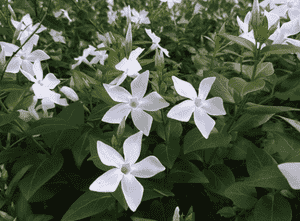
Intermediate periwinkle, a perennial ground cover recognized for its spreading nature and star-shaped blossoms, thrives with trimming to foster a denser form and avert sparse growth. The optimal period for pruning is from late spring to early summer, following its blooming phase. Shorten overgrown stems by one-third of their length to stimulate fresh development. Consistent trimming preserves its form and vigor, and removing faded flowers can improve the subsequent season's bloom. No particular precautions are required, although using sanitized, sharp implements is advised to prevent the spread of pathogens.
What Are the Benefits of Pruning Intermediate Periwinkle?
What Are the Benefits of Pruning Intermediate Periwinkle?
Trimming intermediate periwinkle promotes abundant flowering, enhances plant vitality by improving air flow, and lowers susceptibility to disease. Strategic cuts encourage a robust structure, resulting in a more vibrant and sturdy specimen.
What Is the Best Time for Pruning Intermediate Periwinkle?
What Is the Best Time for Pruning Intermediate Periwinkle?
Pruning intermediate periwinkle in late spring and early summer coincides with the end of its main blooming period, allowing gardeners to shape the plant and stimulate a second flush of flowers. This timing ensures that pruning doesn't disrupt the initial flowering cycle and that any potential cold damage from winter has passed, which can affect the plant's recovery. Furthermore, intermediate periwinkle's active growth phase occurs in spring and summer, enabling it to heal effectively from pruning, thereby reducing disease risk and plant stress. Trimming during this period optimizes the plant's health and aesthetic appeal without compromising its growth or flowering potential.
What Tools Do I Need to Prune Intermediate Periwinkle?
Hand Pruners
Intermediate periwinkle has relatively thin stems that are easily cut with hand pruners. Opt for bypass pruners for clean, healthy cuts, which is crucial to prevent damage to intermediate periwinkle and minimize disease risk.
Gardening Gloves
While intermediate periwinkle isn't particularly thorny or dangerous, wearing gardening gloves is always recommended. This will protect your hands from any potential skin irritants or minor scratches when handling intermediate periwinkle.
Pruning Saw
For older, woodier stems of intermediate periwinkle that might be too thick for hand pruners, a fine-toothed pruning saw is appropriate. It allows for precise cutting without harming the plant.
Loppers
If intermediate periwinkle has grown extensively and has thicker stems that hand pruners cannot easily manage, loppers can be used for cutting such branches. They offer a longer handle for increased leverage and reach.
How to Prune Intermediate Periwinkle
Clean Tools
Before you begin, clean and sanitize all pruning tools to prevent the spread of disease to intermediate periwinkle.
Remove Diseases
Carefully cut away any diseased leaves and branches from intermediate periwinkle, making clean cuts to avoid tearing, which can make intermediate periwinkle vulnerable to infection.
Trim Dead Material
Prune away dead branches and withered leaves by making cuts at a 45-degree angle just above a healthy leaf node or bud to encourage new growth on intermediate periwinkle.
Deadhead Flowers
Remove spent flowers from intermediate periwinkle to encourage more blooms and prevent self-seeding if not desired.
Control Growth
Thin out overgrown branches to maintain the desired shape of intermediate periwinkle and to ensure adequate air circulation and light penetration throughout the plant.
Common Pruning Mistakes with Intermediate Periwinkle
Overpruning
Removing too much foliage can stress intermediate periwinkle, leading to stunted growth or a failure to bloom.
Cutting During Active Growth
Trimming at the peak of intermediate periwinkle's growing season can disrupt its natural growth and vigor.
Improper Tool Use
Using dull or dirty pruning tools can result in jagged cuts that may damage intermediate periwinkle and introduce disease.
Shearing Only The Top
Simply shearing off the top of intermediate periwinkle without thinning can lead to poor air circulation and light penetration.
Neglecting Dead Material
Failing to remove dead or diseased parts of intermediate periwinkle can hinder the overall health and aesthetic of the plant.
Common Pruning Tips for Intermediate Periwinkle
Selective Pruning
Focus on selectively removing any dead, diseased, or weak stems of intermediate periwinkle to maintain plant health and shape.
Clean Tools
Always use sharp, clean pruning equipment to ensure clean cuts that heal well and have a reduced risk of spreading disease to intermediate periwinkle.
Thinning
Thin out older growth to promote light penetration and air circulation throughout intermediate periwinkle, which encourages new, healthy growth.
Prune For Shape
Shape intermediate periwinkle by pruning uneven or elongated stems to create a more balanced, attractive appearance while maintaining plant health.
Consistent Maintenance
Regularly check and maintain intermediate periwinkle, not just for seasonal pruning but also to spot any irregularities or emerging issues early on.



