How to Transplant Louisiana Vetch?
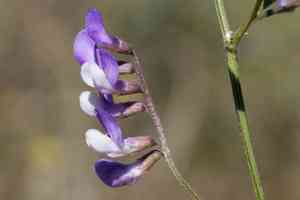
The ideal time for transplanting Louisiana Vetch is from the beginning of spring until the onset of summer, aligning with peak growth phases. Choose a sunny location with good drainage, and amend the soil as necessary to provide a favorable environment for these annual plants.
Essential Preparations Before Relocating Louisiana Vetch?
Optimal Period for Relocating Louisiana Vetch?
For louisiana Vetch, the most favorable time for relocation spans from the onset of early spring warmth to the nutrient-rich conditions of late spring. This duration facilitates strong root development and pre-summer growth. Planting within this window maximizes louisiana Vetch's capacity to adapt to its new setting, ensuring a smooth transition and successful growth. Capitalize on this period of mild weather and extended daylight, crucial for louisiana Vetch's post-transplant prosperity.
Recommended Spacing Between Louisiana Vetch Plants?
Allow your louisiana Vetch ample room to thrive by positioning them 4-6 inches (10-15 cm) apart. This generous spacing will enable each plant to absorb the necessary nutrients and care for robust development!
Ideal Soil Blend for Louisiana Vetch Relocation?
For your louisiana Vetch, a well-draining, loamy soil is their preferred habitat! Before planting, enrich the earth with a balanced, slow-release fertilizer to give them a vigorous start. Consider it their welcoming feast!
Optimal Location for Your Louisiana Vetch?
Select a sunny spot where your louisiana Vetch can enjoy full to partial sunlight. They appreciate soaking up the warmth, much like we do during a pleasant outdoor meal! This will aid their optimal growth.
Equipment Needed Before Relocating Louisiana Vetch?
Gardening Gloves
To safeguard your hands while handling soil and plants.
Spade or Shovel
For excavating the plant from its original spot and preparing the new planting site.
Garden Trowel
Useful for lifting small plants or refining the planting hole.
Hand Fork
To loosen the soil around the roots and assist in lifting the plant.
Watering Can or Hose
To hydrate the louisiana Vetch before and after its relocation.
Wheelbarrow
For moving the louisiana Vetch and soil, especially for larger specimens.
Pruning Shears
To trim any damaged or excessively long roots prior to relocation.
Measuring Tape
To ensure correct spacing between plants when relocating multiple louisiana Vetch.
How to Extract Louisiana Vetch from the Soil?
How to Extract Louisiana Vetch from the Soil?
From Ground: Moisten the louisiana Vetch plant's soil to facilitate easier handling. Use a spade to dig a perimeter around the plant, being careful not to harm the root ball. Once a sufficient trench is made, slide the spade beneath the root ball and gently lift the plant from its initial position.From Pot: Hydrate the louisiana Vetch to make the soil cohesive and lessen transplant shock. Turn the pot on its side, and tap the base to dislodge the louisiana Vetch. Carefully pull the plant while supporting the soil and roots, ensuring not to tug excessively on the stems or leaves.From Seedling Tray: Water the seedlings to ensure soil adheres to the roots. Use a garden trowel or a spoon to carefully scoop out individual louisiana Vetch seedlings, aiming to retain as much soil around the roots as possible to minimize disruption.
Step-by-Step Guide for Relocating Louisiana Vetch
Preparation
Ensure all necessary tools are ready, and thoroughly water the louisiana Vetch in its current spot to facilitate its removal.
Excavation
Carefully dig up or remove the louisiana Vetch from its present location, striving to preserve as much of the root ball as possible.
Transplant Hole
Dig a hole in the ground that is twice the width and the same depth as the louisiana Vetch's root ball.
Root Trimming
Snip any broken or overly long roots with pruning shears to encourage new growth post-transplant.
Positioning louisiana Vetch
Place the louisiana Vetch in the center of the new hole, ensuring it stands upright and at the same depth it was previously growing.
Backfilling
Carefully refill the hole with soil, gently firming it around the roots to eliminate air pockets and provide plant support.
Watering
Thoroughly water the louisiana Vetch after relocation to settle the soil and hydrate the roots, but avoid overwatering.
Mulching
Apply a layer of mulch around the base of the louisiana Vetch to retain moisture and keep the roots warm.
Post-Relocation Care for Louisiana Vetch
Watering
Ensure the louisiana Vetch receives ample water after relocation. Water deeply to encourage robust root growth, but prevent waterlogging.
Monitoring
Regularly inspect the louisiana Vetch for signs of transplant shock, such as wilting or yellowing leaves, and take appropriate measures to alleviate stress.
Mulching
Maintain a layer of organic mulch around the louisiana Vetch to preserve soil moisture and inhibit weed growth.
Support
Depending on the growth habit of the louisiana Vetch, provide support structures if the plant exhibits leaning or instability.
Pruning
Remove any dead or damaged foliage to help the louisiana Vetch direct its energy towards establishing new growth.
Resolving Common Issues with Louisiana Vetch Relocation.
Why is my louisiana Vetch wilting after relocation?
Wilting can be a sign of shock. Ensure you're relocating during cooler parts of the day and water immediately after moving.
How do I know if louisiana Vetch has outgrown its current container?
Check for roots emerging from drainage holes or circling the soil surface. This indicates it's time for relocation.
When is the best time to relocate louisiana Vetch?
The ideal period for relocating louisiana Vetch is when spring emerges, typically from early to late spring.
How much should I water louisiana Vetch after relocation?
Water generously right after relocation to settle the soil around the roots, then resume your regular watering schedule.
How deep should I plant louisiana Vetch?
Plant louisiana Vetch at the same depth it was previously growing, generally not deeper than the original soil level.
What's the optimal distance between relocated louisiana Vetch plants?
Allow a comfortable space of 4-6 inches (10-15 cm) between each louisiana Vetch, so they can thrive without competing for nutrients.
Can I relocate louisiana Vetch on a hot day?
It's preferable to wait for a cooler, overcast day to prevent stress and potential dehydration for your louisiana Vetch.
Why are the leaves of my relocated louisiana Vetch turning yellow?
Yellow leaves might suggest overwatering, inadequate drainage, or a nutrient deficiency. Adjust care accordingly and observe for improvement.
How to safeguard newly relocated louisiana Vetch from pests?
Keep an eye out for pests and employ suitable physical or biological controls, such as neem oil or insecticidal soap.
Can I use fertilizer immediately after relocating louisiana Vetch?
Wait 4-6 weeks before fertilizing to allow louisiana Vetch to establish and begin new growth; then, fertilize sparingly if needed.



