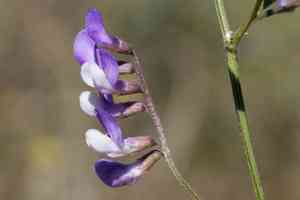
Louisiana Vetch (Vicia ludoviciana)
Also known as: Vetch, Leavenworth's Vetch, Slender Vetch
Louisiana Vetch (Vicia ludoviciana) is commonly found in natural habitats such as riverbanks, grasslands, woodlands, and hillsides. This plant features cylindrical, light-brown seed pods. For those interested in cultivating it at home, it's important to note that it requires minimal watering and thrives in full sunlight.
In This Article
Attributes of Louisiana Vetch
Lifespan
Annual
Plant Type
Herb, Vine
Plant Height
30 cm to 1 m
Spread
Not applicable for vining plants
Leaf Color
Green
Flower Size
6 mm to 8 mm
Flower Color
Purple Red
Images of Louisiana Vetch
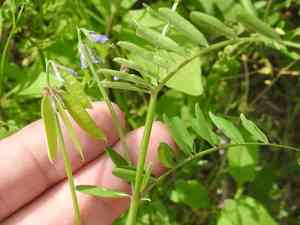
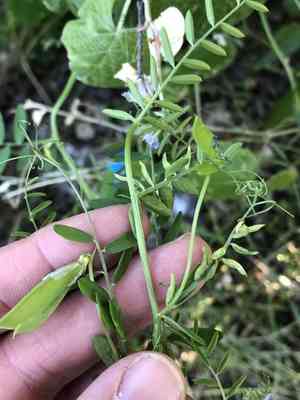
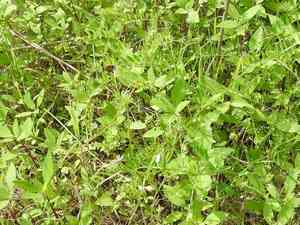
Quickly Identify Louisiana Vetch
1
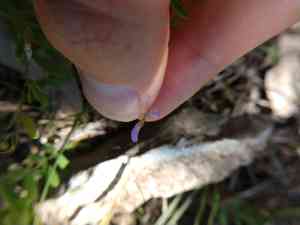
Identify Vicia ludoviciana by its compound leaves with tendrils, small purple flowers, and a vining habit which helps it climb on surrounding vegetation.
Scientific Classification of Louisiana Vetch
Phylum
Vascular plants
Class
Dicotyledons
Order
Fabales
Family
Legume
Genus
Vetches
Species
Louisiana Vetch
Planting and Growing of Louisiana Vetch
Care Difficulty
Easy
Watering Schedule
Every 2 days
Sunlight Requirements
Full sun
Sunshine Duration
6-10 hours
Ideal Temperature
68-77℉
Soil Type
Potting Mix, Peat Mix
Soil pH
6.5-7.5
Fertilizer Type
Balanced
Pruning Season
Spring, Summer
Pruning Area
Branches, Leaves
Pruning Frequency
2 times a year
Repotting Season
Spring
Pot Type
Ceramic, Plastic
 How to Water Louisiana Vetch?
For Vicia ludoviciana, the ideal watering amount is around 300 milliliters per session. Water until the soil is moist but not soggy, mimicking the plant's natural habitat where occasional rain prevents prolonged dryness.
What are the symptoms of an underwatered Louisiana Vetch?
›
What should I do if my Louisiana Vetch is not getting enough water?
›
What are the symptoms of an overwatered Louisiana Vetch?
›
How to save an overwatered Louisiana Vetch?
›
 What Are the Sunlight Requirements for Louisiana Vetch?
Vicia ludoviciana flourishes in full sun to partial sun environments. This light range is ideal, ensuring robust growth, healthier foliage, and an increased rate of photosynthesis, reducing disease vulnerability.
More About Sunlight Requirements Techniques→
How much sunlight does Vicia ludoviciana need daily?
›
What are the benefits of getting the ideal sunlight?
›
How to adapt if ideal light conditions aren't available?
›
 What Is the Ideal Temperature Range for Louisiana Vetch?
The ideal temperature range for Vicia ludoviciana is between 68°F and 77°F. This range supports optimal growth conditions, ensuring healthy development and vigor. Maintaining this range helps facilitate photosynthesis, nutrient uptake, and overall physiological functions essential for robust growth.
 What Soil is Best for Louisiana Vetch?
Vicia ludoviciana thrives in soil with excellent drainage. Proper drainage ensures that the roots do not become waterlogged, which can lead to root rot and other diseases. This allows the plant to absorb nutrients effectively and promotes healthy growth. This plant does well in moderately fertile soil. It doesn't require extensive fertilization, and in slightly nutrient-rich soil, it can thrive and produce lush foliage. This is beneficial for sustainable growth without the need for constant fertilization. Vicia ludoviciana prefers soil with a neutral to slightly alkaline pH. This pH range allows optimal nutrient absorption and contributes to the overall health and vigor of the plant.
 How to Fertilize Louisiana Vetch?
For Vicia ludoviciana, it's best to use a balanced liquid fertilizer diluted to half strength. Apply 1 to 2 tablespoons per gallon of water, ensuring even distribution. This helps maintain steady growth without overwhelming the roots with nutrients.
 How to Prune Louisiana Vetch?
Begin your pruning session at the top of the plant and work your way down. Trim away any excessively long or unruly stems. Make your cuts just above a pair of leaves or a leaf node to encourage new growth in a tidy manner. Avoid cutting too close to the node, as this can damage the plant. While working through your plant, focus on creating a pleasing shape. Vicia ludoviciana can be pruned into a neat mound or allowed to retain a more natural form, depending on your aesthetic preference. Regularly step back during pruning to assess the overall shape and balance of the plant.
More About Pruning Techniques→
 How to Propagate Louisiana Vetch plant?
1
Before planting, soak the seeds in water for 12-24 hours. This helps soften the seed coat and improve germination rates. Look for seeds that swell, indicating they are ready to be sown.
2
Fill your seed tray with the prepared soil mix. Plant each seed about 1/4 inch deep into the compartment. Lightly cover with soil, ensuring the seeds have enough space for aeration and light exposure.
3
After sowing, gently water the seeds using a fine mist spray. Maintain soil moisture but avoid overwatering as this may cause seed rot. Place the tray in a warm location with indirect sunlight to aid germination.
 How to Repot Louisiana Vetch plant?
1
Vicia ludoviciana gives clear signs when it needs repotting, such as roots poking out from drainage holes or stunted growth. The ideal time is when these symptoms appear, usually in early spring or autumn, before active growth phases begin.
2
Select a pot that is 1-2 inches larger in diameter than the current one. A slightly larger pot accommodates the root system's growth while preventing excess water retention, reducing the risk of root rot and promoting healthy development.
3
Opt for a well-drained loamy soil mix. This type of soil provides balanced aeration and moisture while offering the necessary nutrients to sustain Vicia ludoviciana, facilitating strong root health and overall plant vigor.
Learn More About Louisiana Vetch Diseases
Anthracnose
Bacterial Leaf Spot
Bacterial Wilt
Cyst Nematode
Damping-off
Downy Mildew
Drought Stress
Fusarium Wilt
Gray Mold
Leaf Spot
Mosaic
Nutrient Deficiency
Nutrient Toxicity
Powdery Mildew
Root Rot
Root-knot Nematode
Rusts
Sooty Mold
Spider Mites
Temperature Stress
Thrips Damage
White Mold
Chemical Injury



