How to Transplant Tea viburnum?
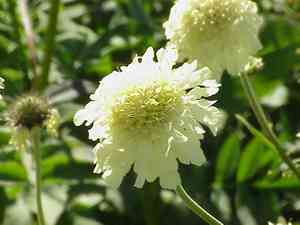
Viburnum setigerum flourishes when relocated either in the mild temperatures of late spring through early summer or throughout the chilly, inactive phase from late autumn to early winter. Select a bright spot with soil that drains effectively to guarantee proper rooting.
What Preparations are Needed Before Transplanting Tea Viburnum?
What is the Ideal Time for Transplanting Tea Viburnum?
The optimal period for relocating tea viburnum falls between late spring and early summer, or late autumn and early winter. These intervals promote excellent root development and minimize transplant stress. Selecting these times allows tea viburnum to benefit from milder temperatures and sufficient soil moisture, fostering robust growth and overall vitality.
How Much Space Should You Leave Between Tea Viburnum Plants?
When moving tea viburnum, ensure each plant is spaced approximately 5-8 feet apart (1.5-2.4 meters). This provides ample room for growth and development without competition for resources.
What is the Best Soil Mix for Tea Viburnum Transplanting?
For tea viburnum, prepare soil that drains well and has a neutral to slightly acidic pH. Incorporate compost or a balanced base fertilizer to supply the crucial nutrients your plant needs for a strong beginning.
Where Should You Relocate Your Tea Viburnum?
Place your tea viburnum in an area that receives full sun to partial shade. Aim for a minimum of 6 hours of daily sunlight to guarantee healthy development and abundant flowering.
What Equipments Should You Prepare Before Transplantation Tea Viburnum?
Gardening Gloves
To safeguard your hands while handling soil and the plant.
Shovel or Spade
For excavating around the plant to extract it from its original spot.
Watering Can or Hose
To hydrate the plant prior to and following its relocation.
Pruning Shears
To trim any damaged or superfluous roots.
Wheelbarrow or Tarp
To move the plant to its new position.
Mulch
To aid in moisture retention and root protection post-transplant.
Rooting Hormone (Optional)
To stimulate root development if necessary.
How Do You Remove Tea Viburnum from the Soil?
How Do You Remove Tea Viburnum from the Soil?
From Ground: First, moisten the tea viburnum plant to dampen the soil. Next, dig a wide trench around the plant using a shovel or spade, ensuring the plant's root ball remains intact. Carefully work the spade beneath the root ball to lift the plant from its initial location.From Pot: Hydrate the tea viburnum plant to ensure the soil is damp. Gently turn the pot on its side and tap it to loosen the soil. Slowly slide the plant out, supporting the root ball with your hand.From Seedling Tray: Water the seedlings to make the soil easier to manage. Gently press the bottom of the tray to lift the seedlings. Carefully handle the seedlings by their leaves to prevent stem damage.
Step-by-Step Guide for Transplanting Tea Viburnum
Site Selection
Choose a spot with adequate sunlight and room for your tea viburnum plant to reach its mature dimensions.
Prepare the Soil
Aerate the soil in the new planting area to a depth of approximately 12-15 inches and incorporate compost if required.
Create the Planting Hole
Excavate a hole that is twice as wide and equally as deep as the tea viburnum plant's root ball.
Apply Rooting Hormone (Optional)
If utilized, dip the plant's roots in rooting hormone powder to encourage growth.
Place the Plant
Carefully position the tea viburnum plant in the hole, ensuring the top of the root ball is level with the ground surface.
Fill the Hole
Backfill the hole with soil, gently compacting it around the root ball to eliminate air pockets.
Watering
Thoroughly water the tea viburnum plant immediately after transplanting to help settle the soil around the roots.
Mulching
Apply a layer of mulch around the plant's base to retain moisture and regulate soil temperature.
How Do You Care For Tea Viburnum After Transplanting?
Watering
Keep the soil around the tea viburnum consistently moist, but not waterlogged, for the initial weeks post-transplant to aid in establishing strong roots.
Monitoring
Check for any indications of transplant shock, such as wilting or yellowing foliage, and ensure the plant is neither over- nor under-watered.
Pruning
Trim any damaged or dead leaves or stems to promote healthy development.
Fertilizing
After a few weeks, consider applying a balanced fertilizer to provide essential nutrients and support new growth.
Support
If necessary, use stakes or supports to help the tea viburnum plant remain upright as it establishes itself in its new location.
Troubleshooting Common Issues with Tea Viburnum Transplantation.
When is the best time to transplant tea viburnum?
The optimal times are late spring to early summer or late fall to early winter.
How much space should I leave between tea viburnum plants?
Allow 5-8 feet (1.5-2.4 meters) between each tea viburnum plant for ideal growth.
How deep should I dig the hole for transplanting tea viburnum?
Excavate a hole twice as wide and equal to the root ball's depth of tea viburnum.
What type of soil is best for transplanting tea viburnum?
Tea viburnum thrives in well-draining, fertile soil with a pH between 6.0 and 7.5.
Should I water tea viburnum plants immediately after transplanting?
Yes, water tea viburnum thoroughly right after transplanting to help reduce transplant shock.
Can I fertilize tea viburnum plants during transplantation?
Avoid fertilizing initially; wait a few weeks until tea viburnum is settled and new growth appears.
What's the ideal temperature for transplanting tea viburnum?
Transplant tea viburnum when temperatures are moderate, around 60-70°F (15-21°C).
How often should I water tea viburnum after transplanting?
Water tea viburnum regularly, ensuring the soil stays moist but not waterlogged for the first few weeks.
Should I prune tea viburnum during transplanting?
Light pruning can help reduce stress, but avoid heavy pruning when transplanting tea viburnum.
How to protect tea viburnum from transplant shock?
Mulch around tea viburnum and ensure consistent watering to protect from transplant shock.



