The Tea viburnum Plant Advantage: Maximizing Home and Office Appeal and Wellness
1
Tea viburnum flourishes in diverse soil conditions, offering adaptability for different garden environments.
2
This shrub draws in numerous pollinators, boosting the ecological variety within your garden space.
3
Tea viburnum is recognized for its eye-catching crimson fruits that provide decorative appeal during autumn.
What Are the Ecological Benefits of Tea viburnum?
Pollinator Attraction
Tea viburnum draws in pollinators like bees, butterflies, and other helpful insects. Its bright blossoms offer abundant nectar, supporting the local ecosystem and encouraging healthy plant reproduction. By inviting these pollinators, you actively contribute to your local environment's health and diversity.
Support for Wildlife
Beyond attracting pollinators, Tea viburnum provides crucial support to various animal species. The plant's dense leaves offer refuge for small birds and mammals, while its vivid red berries serve as a nutritious food source during autumn and winter. This makes Tea viburnum an excellent choice for gardeners aiming to create a wildlife-friendly habitat.
How Can Tea viburnum Enhance Your Garden's Aesthetic?
Seasonal Beauty
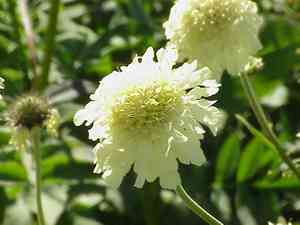
A key feature of Tea viburnum is its capacity to provide visual appeal throughout the year. In spring, its clusters of white to pink flowers bloom profusely, creating a stunning display. As the season shifts to fall, the plant's leaves turn a dramatic red, while the bright red berries remain to adorn the landscape through winter.
Versatile Landscaping Uses
Tea viburnum can be employed in various landscaping situations, from informal hedges and mixed borders to individual specimens. Its adaptability to different soil conditions and its moderate growth rate make it easy to integrate into existing garden plans without requiring extensive upkeep.
What Are the Practical Benefits of Growing Tea viburnum?
Low Maintenance Requirements
Tea viburnum is exceptionally easy to care for, needing minimal upkeep once established. It is relatively drought-tolerant, resists common pests and diseases, and can thrive in full sun to partial shade. This makes it an ideal plant for both new and experienced gardeners seeking to add low-effort beauty to their spaces.
Soil Improvement
The dense root system of Tea viburnum aids in enhancing soil structure by reducing erosion and increasing water retention. This characteristic can be particularly advantageous in preventing soil degradation and fostering healthier garden soils over time.
How to Integrate Tea viburnum into Your Garden Design?
Creating Focal Points
Utilize Tea viburnum strategically to establish focal points within your garden. Its seasonal changes make it an eye-catching addition to any garden layout. Planting it near entrances or garden paths can highlight these areas and draw attention to their beauty.
Combining with Other Plants
Pair Tea viburnum with complementary plants to boost the overall aesthetic and ecological function of your garden. Consider combining it with other native species that share similar soil and light preferences. This not only enhances visual appeal but also promotes a more resilient and sustainable garden ecosystem.
FAQs about Growing Tea viburnum
What Growing Conditions Does Tea viburnum Prefer?
Tea viburnum is highly adaptable and can flourish in various soil types, including both acidic and alkaline soils. It prefers well-drained soil and can tolerate both full sun and partial shade, making it suitable for a range of garden environments.
How Can I Propagate Tea viburnum?
Propagating Tea viburnum can be achieved through various methods such as seed sowing, softwood cuttings, or layering. Softwood cuttings taken in late spring are often the most successful. Ensure to use a rooting hormone and provide adequate moisture and light to encourage root development.
Final Thoughts: The Undeniable Value of Tea viburnum
A Multifaceted Addition
Tea viburnum is more than just an ornamental plant; it is a versatile addition to any garden. Its ecological benefits, aesthetic appeal, and practical advantages make it a valuable choice for gardeners looking to enhance their outdoor spaces.
Contributing to Sustainability
Incorporating Tea viburnum into your garden not only adds beauty but also plays a role in promoting environmental sustainability. By improving soil health, supporting wildlife, and requiring minimal maintenance, Tea viburnum contributes positively to the broader ecosystem.



