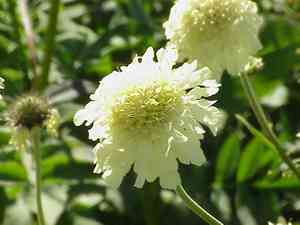
Tea viburnum (Viburnum setigerum)
Also known as: Tea Viburnum, Arrowwood Viburnum
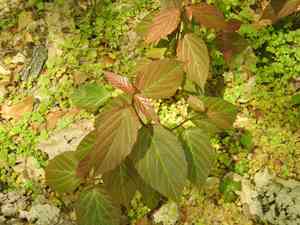
The plant you're describing is likely the Tea Viburnum (Viburnum setigerum). This perennial shrub, known for its vase-like shape, produces clusters of white-yellow flowers. Despite being the smallest variety of viburnum, it is notable for its abundant fruit production. Monks on Mount Omei in China use the oblanceolate leaves of this shrub to brew tea.
In This Article
Attributes of Tea viburnum
Lifespan
Perennial
Plant Type
Shrub
Plant Height
2.5 m to 3.5 m
Spread
1.8 m to 2.5 m
Leaf Color
Red Purple Blue Green
Flower Size
3 to 4 inches (cluster diameter)
Flower Color
White
Images of Tea viburnum
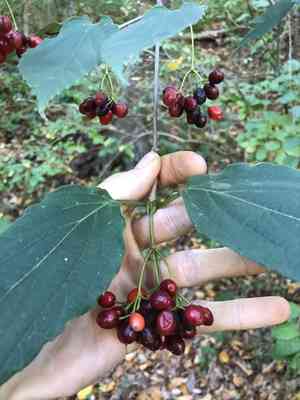
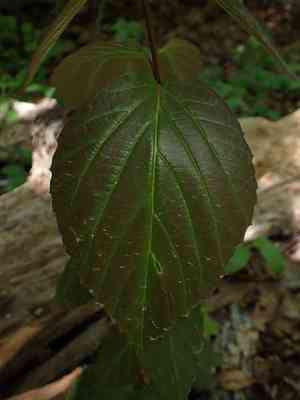
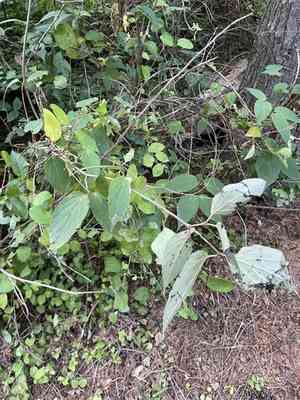
Quickly Identify Tea viburnum
1
Vase-shaped structure reaching 8-12 feet (2.4-3.7 meters) tall and spreading 6-8 feet (1.8-2.4 meters) wide.
2
Star-like white flowers in 1-2 inch (2.5-5 cm) flat-topped cymes blooming in late spring.
3
Oval drupes changing from orange-yellow to vibrant red, persisting until first frosts.
4
Leaves with gray-green to blue-green color, pointed tips, and unique vein pattern.
5
Smooth gray stem with lenticels, green buds with red edges and 3-5 scales.
Scientific Classification of Tea viburnum
Phylum
Vascular plants
Class
Dicotyledons
Order
Dipsacales
Family
Moschatel
Genus
Viburnum
Species
Tea viburnum
Planting and Growing of Tea viburnum
Care Difficulty
Moderate
Watering Schedule
Every 3 days
Sunlight Requirements
Full sun
Sunshine Duration
4-8 hours
Ideal Temperature
60-75℉
Soil Type
Potting Mix, Peat Mix
Soil pH
6.5-7.5
Fertilizer Type
Balanced
Pruning Season
Spring, Summer
Pruning Area
Branches, Leaves
Pruning Frequency
2 times a year
Repotting Season
Spring
Pot Type
Plastic, Ceramic
 How to Water Tea viburnum?
For Viburnum setigerum, apply approximately 1000 milliliters of water per session, ensuring that the water deeply penetrates the soil. The goal is to saturate the root zone without causing pooling on the surface. This encourages healthy root growth and prevents dehydration.
What are the symptoms of an underwatered Tea viburnum?
›
What should I do if my Tea viburnum is not getting enough water?
›
What are the symptoms of an overwatered Tea viburnum?
›
How to save an overwatered Tea viburnum?
›
 What Are the Sunlight Requirements for Tea viburnum?
Viburnum setigerum flourishes best with partial sun. Ideal light ensures robust growth, with vibrant foliage and maximal flowering potential, ensuring the plant exudes health and vitality throughout the growing season.
How much sun does Viburnum setigerum need?
›
What are the best solutions for ideal lighting?
›
What benefits does ideal lighting provide?
›
 What Is the Ideal Temperature Range for Tea viburnum?
Viburnum setigerum thrives best in temperatures ranging from 60°F to 75°F. This range sufficiently meets the plant's metabolic needs, ensuring robust growth and fruiting. Maintaining this temperature range helps in optimizing photosynthesis, which plays a vital role in plant health.
 What Soil is Best for Tea viburnum?
Viburnum setigerum flourishes best in well-drained soil, which prevents root rot by allowing excess water to escape easily. This enhances root health and supports vigorous growth. Rich, fertile loam is ideal for this plant as it provides ample nutrients essential for robust foliage and copious berry production. This enhances both aesthetic value and plant health. While tolerant of neutral pH, slightly acidic conditions help maximize nutrient uptake and prevent deficiencies, crucial for vibrant leaf color and consistent growth.
 How to Fertilize Tea viburnum?
For Viburnum setigerum, apply liquid fertilizers at half the strength recommended by manufacturers. Typically, about 1/4 gallon of diluted liquid fertilizer per plant should suffice. For slow-release fertilizers, use around 1/2 cup per plant, evenly distributed around the base.
 How to Prune Tea viburnum?
Start by removing any dead, diseased, or damaged wood. Use clean, sharp pruning shears to make clean cuts above a healthy bud or lateral branch to prevent any further disease from spreading. To maintain an attractive shape and encourage dense growth, trim back overgrown branches and those growing inward. Aim to create an open structure that allows for good air circulation and sunlight penetration. Reduce overcrowding by thinning out some of the interior branches. Focus on removing crossing branches that could rub against each other, potentially creating wounds that are vulnerable to pests and diseases. Cut back long shoots by about one-third to maintain the plant's size and improve its structure. This also helps the Viburnum setigerum produce more flowers and strengthen its framework.
 How to Propagate Tea viburnum plant?
1
Begin by obtaining fresh seeds from a mature Viburnum setigerum plant. Clean the seeds thoroughly to remove all pulp, then dry them before stratification, which simulates natural winter conditions.
2
Use pruning shears to take semi-hardwood cuttings about 4 to 6 inches long, ensuring each cutting has at least three nodes. Remove the leaves from the bottom half to facilitate root growth.
3
Dip the cut end of each cutting into rooting hormone powder. Plant the treated cutting in a growing medium that retains moisture but drains well. Firm the medium around the base of the cutting.
 How to Repot Tea viburnum plant?
1
Keep an eye on Viburnum setigerum's growth. A sure signal for repotting is when roots grow out of the drainage holes, or when growth appears stunted despite regular feeding. Repot in early spring or autumn for best results.
2
Select a pot that is 2-3 inches wider in diameter than the current one, ensuring it has good drainage holes. The extra room allows for root expansion, promoting healthy growth and better nutrient uptake.
3
Opt for a well-draining loamy mix. This soil ensures optimal moisture retention without waterlogging, providing the right balance of air and nutrients for Viburnum setigerum to thrive.



