How to Transplant Tall ironweed?
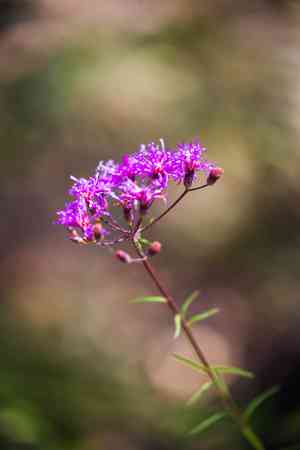
Relocate tall ironweed between early and late spring for peak development as temperatures ascend. Select a bright spot with soil that drains effectively. Should it be necessary, irrigate deeply following the transplant to aid root establishment.
What Preparations are Needed Before Transplanting Tall Ironweed?
What is the Ideal Time for Transplanting Tall Ironweed?
The best time to move tall ironweed is from the beginning to the end of spring. Relocating during this period allows tall ironweed to establish its root system in cool, damp soil before summer's heat. This season also provides more daylight, which aids photosynthesis and encourages development. Ensuring successful root establishment at this time reduces plant stress and improves survival rates.
How Much Space Should You Leave Between Tall Ironweed Plants?
Before relocating tall ironweed, ensure each plant is spaced 24-36 inches (60-90 cm) apart. This provides ample room for growth and prevents overcrowding, promoting robust development.
What is the Best Soil Mix for Tall Ironweed Transplanting?
Prepare the soil for tall ironweed by ensuring it drains well and is fertile. Incorporating organic compost or a balanced base fertilizer will enhance soil quality. Aim for a pH level that is slightly acidic to neutral (6.0-7.0).
Where Should You Relocate Your Tall Ironweed?
Select a sunny spot for tall ironweed, as it thrives in full sunlight. Ensure the area receives at least 6 hours of direct sun daily to encourage strong growth and vibrant blooms.
What Equipments Should You Prepare Before Transplantation Tall Ironweed?
Gardening Gloves
To safeguard your hands while handling soil and plants.
Hand Trowel
For digging in the earth and making holes for relocation.
Shovel or Spade
For excavating plants from the ground or creating larger openings.
Pruning Shears
To trim any damaged roots or stems during the relocation process.
Watering Can or Hose
To hydrate the plant before and after moving it.
Mulch
To help retain moisture in the soil surrounding the newly planted specimen.
Garden Fork
To loosen soil if it is compacted.
How Do You Remove Tall Ironweed from the Soil?
How Do You Remove Tall Ironweed from the Soil?
From Ground: First, water the tall ironweed plant to moisten the soil. Then, dig a wide trench around the plant using a shovel or spade, ensuring the plant's root ball remains intact. Carefully work the spade beneath the root ball to lift the plant from its original spot.From Pot: Water the tall ironweed plant thoroughly. Gently tip the pot and tap it to loosen the soil. Support the plant's base with one hand and slide the plant out of the pot with the other, keeping the root ball whole.From Seedling Tray: Water the tall ironweed seedlings well beforehand. Use a hand trowel or spoon to lift the seedling, making sure to get under the root system while keeping the soil around the roots as undisturbed as possible.
Step-by-Step Guide for Transplanting Tall Ironweed
Site Preparation
Ensure the new location is properly prepared with loosened soil and adequate spacing for future development.
Digging Hole
Excavate a hole in the new spot that is twice as wide and just as deep as the tall ironweed plant's root ball.
Placing the Plant
Carefully position the tall ironweed plant into the hole, ensuring it sits at the same depth as it was originally growing.
Filling the Hole
Backfill the hole with soil, gently firming it around the root ball to eliminate air pockets while avoiding excessive compaction.
Watering
Water the plant thoroughly immediately after relocating to help the soil settle and provide moisture to the roots.
Applying Mulch
Apply a layer of mulch around the plant's base to help retain soil moisture and regulate soil temperature.
How Do You Care For Tall Ironweed After Transplanting?
Watering
Keep the soil around the tall ironweed consistently moist, but not waterlogged, for the first few weeks after transplanting to help establish strong roots.
Mulch Maintenance
Check the mulch regularly to ensure it stays in place and is replenished as needed to continue benefiting your plant.
Monitoring
Watch for any signs of stress or disease, such as wilting or discoloration, and take prompt action if necessary.
Support
If your tall ironweed plant is tall, consider providing support such as a stake to help the plant remain upright as it establishes in its new location.
Troubleshooting Common Issues with Tall Ironweed Transplantation.
When is the best time to transplant tall ironweed?
Tall ironweed should be moved from early spring to late spring for optimal results.
How much space should I leave between each tall ironweed?
Space each tall ironweed plant 24-36 inches (61-91 cm) apart to ensure healthy growth.
What type of soil is best for transplanting tall ironweed?
Tall ironweed prefers well-draining soil that is rich in organic matter.
How to prepare the site for transplanting tall ironweed?
Loosen the soil and mix in compost before planting tall ironweed to enhance soil fertility.
How deep should I plant tall ironweed?
Plant tall ironweed at the same depth it was growing in its original location.
Can I transplant tall ironweed during summer?
It's best to avoid moving tall ironweed during summer due to heat stress and potential drying out.
Should I water tall ironweed immediately after transplanting?
Yes, water tall ironweed thoroughly right after relocating to help settle the soil and reduce transplant shock.
Do I need to prune tall ironweed before transplanting?
Pruning is not required, but trimming damaged roots can improve overall health of tall ironweed.
How should I handle the roots of tall ironweed during transplanting?
Be gentle with the roots of tall ironweed, ensuring minimal disturbance to avoid stress.
What should I do if tall ironweed shows signs of transplant shock?
Provide consistent moisture, avoid fertilizing immediately, and give tall ironweed some time to recover.



