How to Prune Tall ironweed?
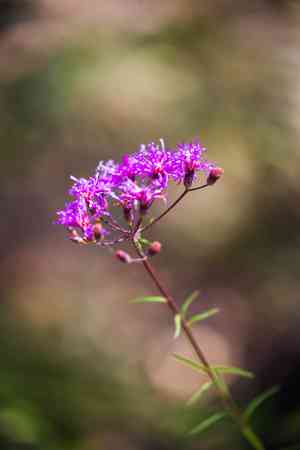
Vernonia altissima, or tall ironweed, is recognized by its elevated height and vibrant purple blossoms. The most suitable periods for trimming tall ironweed are in late winter or early spring, prior to the emergence of new shoots. Cut back previous year's stalks to encourage more vigorous development and eliminate any lifeless or compromised branches. This revitalizes the plant, guaranteeing abundant flowering. Consistent trimming enhances airflow and preserves the plant's form. Deadheading spent blooms stimulates further flowering and inhibits seed dispersal, thereby managing its proliferation.
What Are the Benefits of Pruning Tall Ironweed?
What Are the Benefits of Pruning Tall Ironweed?
Trimming tall ironweed promotes robust development and maintains its form, preventing it from becoming gangly. Regular trimming encourages denser, healthier foliage and can enhance blooming. It also aids in managing the size of tall ironweed, ensuring it remains suitable for garden environments.
What Is the Best Time for Pruning Tall Ironweed?
What Is the Best Time for Pruning Tall Ironweed?
Pruning tall ironweed in early spring or late winter ensures the plant is dormant or just beginning to emerge, which minimizes stress and allows for vigorous regrowth. This timing avoids peak flowering periods, preserving the plant's beauty and ecological value while fostering strong new growth in the upcoming season. By adhering to these periods, gardeners can effectively manage the size and shape of tall ironweed, reduce disease, and boost overall plant vitality.
What Tools Do I Need to Prune Tall Ironweed?
Bypass Pruners
Perfect for making clean cuts on stems and smaller branches, crucial for maintaining the structure and health of tall ironweed.
Loppers
Essential for cutting through thicker stems and branches, especially older growth. Offers greater leverage and precision.
Pruning Saw
Utilized for removing larger, woody stems that cannot be managed by pruners or loppers, ensuring smoother cuts and less damage to tall ironweed.
Hedge Shears
Suitable for shaping and controlling the size of larger tall ironweed specimens, allowing for consistent maintenance.
Pole Pruner
Useful for reaching higher parts of tall tall ironweed, ensuring uniform pruning without needing a ladder.
How to Prune Tall Ironweed
Tool selection
Utilize sharp, clean pruning shears to prevent the spread of diseases.
Inspect plant
Examine tall ironweed for any diseased or withered leaves.
Cut diseased leaves
Remove any diseased leaves close to the stem's base, ensuring all affected parts are gone to prevent further spread.
Remove withered leaves
Identify and cut off withered leaves near the base to encourage healthy growth and appearance.
Dispose pruned parts
Properly discard all cuttings, especially diseased leaves, by placing them in a sealed bag to avoid contaminating your compost or garden.
Common Pruning Mistakes with Tall Ironweed
Over-pruning
Removing too much growth at once can stress the plant, hinder its ability to photosynthesize, and reduce flowering.
Improper cutting technique
Using dull or unclean tools can result in jagged cuts that take longer to heal and can introduce disease.
Ignoring plant health
Failing to assess the overall health of tall ironweed before pruning can spread diseases if infected sections are cut and not properly sanitized.
Common Pruning Tips for Tall Ironweed
Use sharp, clean tools
Ensure your pruning shears are sharp and sterilized to make clean cuts and prevent disease transmission.
Remove dead and damaged stems
Prioritize cutting off dead or weak stems first to promote healthy growth and encourage new shoots.
Thin out overcrowded areas
Thinning these sections improves air circulation, reduces disease risk, and allows light to reach all parts of the plant.



