How to Transplant Mint vervain?
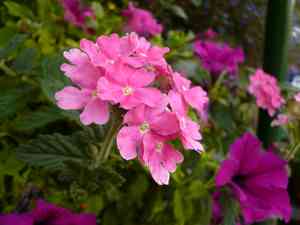
For mint vervain, the most favorable period for relocation spans from early spring through its concluding weeks, since the mild climate and sufficient hydration facilitate root development. Select a bright, adequately draining spot to ensure a thriving transplant.
What Preparations are Needed Before Transplanting Mint Vervain?
What is the Ideal Time for Transplanting Mint Vervain?
The optimal period for relocating mint vervain spans from early to late spring, when the ground warms and frost danger is minimal. This timing supports robust root development and prime growing conditions. Moving mint vervain during this window encourages faster establishment, improved resilience, and increased blooming throughout the season.
How Much Space Should You Leave Between Mint Vervain Plants?
When relocating mint vervain, ensure each plant is positioned 18-24 inches (45-60 cm) apart. This spacing provides ample room for growth and sufficient air circulation, thereby reducing disease risk.
What is the Best Soil Mix for Mint Vervain Transplanting?
For transplanting mint vervain, prepare soil that drains well and is enriched with compost. Incorporate a balanced base fertilizer, such as a 10-10-10 (NPK) blend. This supplies essential nutrients and aids in establishing a strong root system.
Where Should You Relocate Your Mint Vervain?
Mint vervain thrives best in a sunny spot. Select a garden location that receives full sun, ideally 6-8 hours of direct sunlight daily. This promotes vigorous growth and abundant foliage.
What Equipments Should You Prepare Before Transplantation Mint Vervain?
Gardening Gloves
To safeguard your hands while handling soil and plants.
Shovel or Spade
For excavating and lifting the plant from its original spot.
Trowel
To assist in digging a hole at the new location for transplanting.
Pruners
To trim any damaged roots or stems during the relocation process.
Watering Can or Hose
To thoroughly water the plant before and after its move.
Mulch
To help maintain soil moisture and regulate temperature around the newly transplanted plant.
How Do You Remove Mint Vervain from the Soil?
How Do You Remove Mint Vervain from the Soil?
From Pot: Water the mint vervain plant thoroughly to ensure the soil is moist. Gently tilt the pot to one side and tap it to loosen the soil. Carefully slide the plant out by holding the base, ensuring you support the root ball during removal.From Ground: Water mint vervain well to soften the soil. Dig a wide trench around the plant using a shovel or spade, ensuring the root ball remains intact. Work the spade under the root ball and gently lift the plant from the ground.From Seedling Tray: Water the seedlings to moisten the soil. Gently press the bottom of the tray cells to ease the seedlings out. Handle the seedlings by the leaves, not the stems, to avoid damaging them.
Step-by-Step Guide for Transplanting Mint Vervain
Site Preparation
Select a new location with adequate sunlight and space for your mint vervain plant to reach its mature size. Prepare the area by clearing away weeds and debris.
Hole Preparation
Dig a hole that is approximately twice the width and equal depth of the mint vervain plantâs root ball in the new location to encourage root expansion.
Placing the Plant
Carefully position the mint vervain plant into the hole. Ensure the top of the root ball is level with the surrounding soil surface.
Backfilling
Fill the hole with soil, gently tamping it down to eliminate air pockets. Be careful not to disturb the root ball during this process.
Watering In
Thoroughly water the transplanted mint vervain plant to help settle the soil around the roots and remove air pockets. Ensure the area is moist but not waterlogged.
Applying Mulch
Add a layer of mulch around the base of the mint vervain plant to help retain moisture and regulate soil temperature.
How Do You Care For Mint Vervain After Transplanting?
Watering
Keep the soil around the mint vervain consistently moist, but not saturated, for the initial weeks post-transplant to aid in strong root establishment.
Mulching
Maintain a layer of mulch around the base to conserve soil moisture and inhibit weed growth.
Monitoring
Regularly inspect the mint vervain plant for indications of stress, such as wilting or yellowing leaves, and adjust care as necessary.
Pruning
Trim any damaged or dead leaves and stems to stimulate new growth and overall plant vitality.
Fertilizing
Feed the mint vervain plant with a balanced, organic fertilizer to promote vigorous growth, once it has settled in its new location.
Troubleshooting Common Issues with Mint Vervain Transplantation.
When is the best time to transplant mint vervain?
The optimal time to relocate mint vervain is from early spring to late spring.
How much spacing should mint vervain plants have?
Ensure mint vervain plants are spaced 18-24 inches (45-60 cm) apart for adequate growth.
What type of soil is ideal for transplanting mint vervain?
Use well-drained, moderately fertile soil with a pH of 6.0 to 7.0 for mint vervain.
How should you prepare the soil for mint vervain?
Loosen the soil to a depth of 10 inches (25 cm) and mix in organic matter.
How to handle mint vervain roots during transplanting?
Gently handle mint vervain roots and avoid disturbing them to minimize transplant shock.
How often should you water mint vervain after transplanting?
Water mint vervain thoroughly after transplanting, then keep the soil moist but not waterlogged.
Should mint vervain be transplanted in full sun or partial shade?
Transplant mint vervain in a location that receives full sun for optimal growth.
How can you reduce transplant shock for mint vervain?
Water mint vervain well before and after transplanting, and transplant on a cloudy day if possible.
Do mint vervain plants need fertilizing after transplanting?
Lightly fertilize mint vervain with a balanced fertilizer after transplanting to encourage root growth.
How deep should mint vervain be planted?
Mint vervain should be planted at the same depth they were growing previously to avoid stress.



